Paris Wine Exhibition Signals Major Shift Towards Zero- and Low-Alcohol Beverages
The international wine and spirits trade show in Paris this week has become a focal point for the rapidly expanding market of zero- and low-alcohol drinks. This trend reflects a broader societal shift as consumers in France and worldwide are increasingly moderating their alcohol intake.
Changing Social Norms and Consumer Preferences
Justine Bobin, a French teetotaler, understands the social challenges of abstaining from alcohol in a culture where wine and beer traditionally accompany social gatherings. "People often believe that enjoyment in France requires alcohol," she notes. Bobin visited the Paris exhibition specifically to explore the growing selection of non-alcoholic wines from European, South African, Australian, and New Zealand producers.
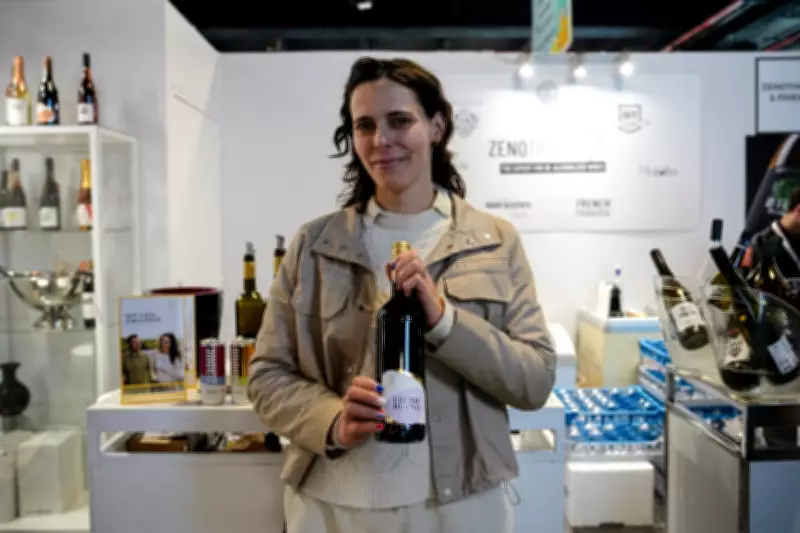
These products were prominently displayed alongside traditional alcoholic beverages at the Wine Paris event. Manufacturers are adopting marketing slogans like "no alcohol, no regrets, no consequences" and encouraging consumers to "drink different." Their strategy targets evolving tastes, particularly among younger adults who are more aware of alcohol's negative health impacts.

Global Market Trends and Industry Responses
In the United States, surveys indicate a decline in alcohol consumption. Meanwhile, the no/low beverage industry is making significant inroads in other major markets, challenging the dominance of traditional alcoholic drinks. The French government has even proposed financial incentives for winemakers who remove vineyards to reduce surplus production.
Heineken, the Dutch beverage conglomerate, announced plans to eliminate up to 6,000 jobs globally by 2028 following a drop in beer sales. However, the company's portfolio of zero- and low-alcohol drinks experienced double-digit growth across 18 markets last year, highlighting the sector's robust expansion.
Inclusivity and Social Integration
Bobin, who is Muslim, emphasizes that non-alcoholic beverages can bridge the gap between drinkers and non-drinkers. She sampled various adult-oriented non-alcoholic drinks at the show, seeking products for her delicatessen in Burgundy, France's renowned wine-producing region.
"These drinks allow us to share moments with others without consuming alcohol," Bobin explains. "Everyone can participate in toasts and social rituals. It creates an inclusive alternative that brings people together, which is especially valuable for those who choose not to drink."
Long-Term Cultural Shifts
Alcohol consumption in France has dramatically decreased over the past fifty years. Many adults have abandoned the custom of drinking wine with meals, while younger generations generally consume less alcohol and approach drinking differently than their parents did.
Katja Bernegger, an Austrian producer of alcohol-free wines, asserts that this trend is not temporary. "People are becoming more conscious of their physical well-being," she states. "They recognize that alcohol consumption often leads to next-day impairments, which interfere with responsibilities like parenting and work."
Bernegger and her winemaker partner began developing non-alcoholic wines during her pregnancy, when she missed the flavors of wine but faced social awkwardness when abstaining. "Without suitable alternatives, non-drinkers can feel excluded from social experiences," she observes. "That's why we need sophisticated non-alcoholic options that allow everyone to participate fully."
AP journalist Catherine Gaschka in Paris contributed to this report.