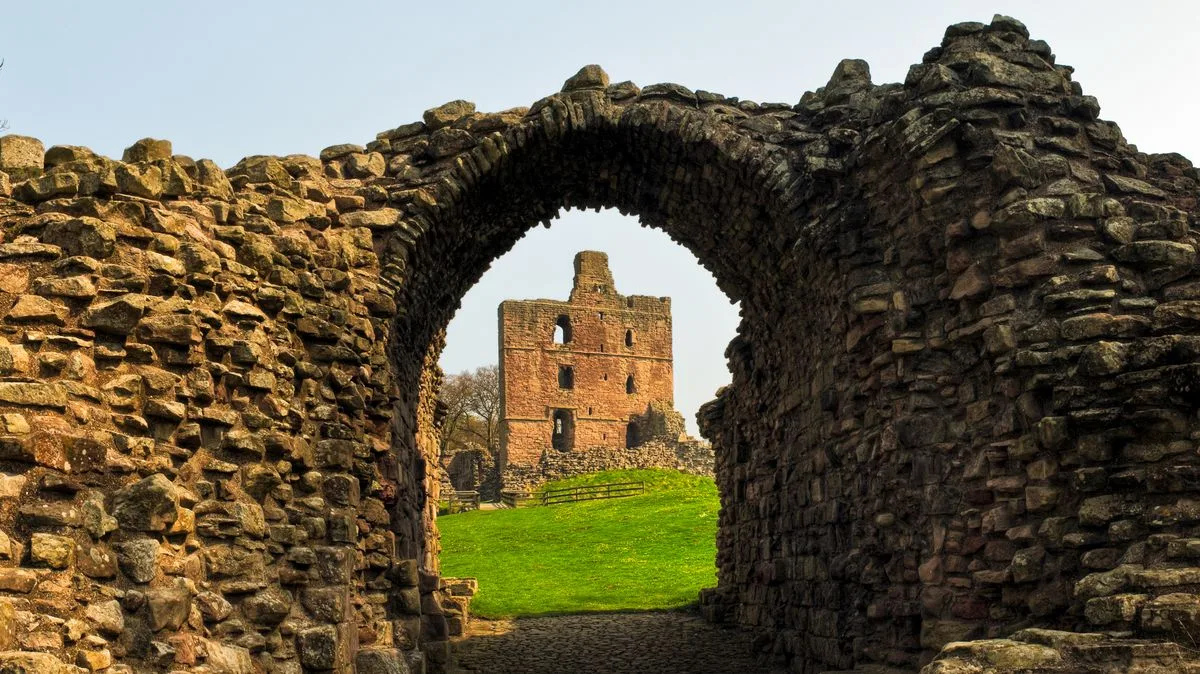
Norham, a picturesque village on the south side of the River Tweed in Northumberland, once stood at the heart of centuries of cross-border conflict between England and Scotland. Its 12th-century castle, now a free tourist attraction, played a pivotal role in numerous battles and was besieged around 13 times by the Scots, making it the most frequently attacked building in the region.
The castle, which sits atop a grassy mound commanding a powerful presence over the Tweed, fell in 1513 but underwent extensive rebuilding in the 16th century. Today, its remains offer visitors a glimpse into its turbulent past, with free entry and opportunities for photography. The castle also gained fame through paintings by JMW Turner and as the subject of a novel by Sir Walter Scott, who described Norham as 'the most dangerous place in England'.
Recent visitors have praised the site on TripAdvisor, calling it 'one of the best ruins we have ever explored' and 'a hidden gem'. Another reviewer noted that despite being free to enter, it is 'pretty fantastic' with a 'fantastic location high above the river'. The village itself, now home to fewer than 600 people, serves as a stopgap for travellers to and from Scotland.
Nearby, the Duddo Five Stones, a Bronze Age stone circle dating back 4,000 years, offers additional historical interest. Visitors describe the site as having 'breathtaking views' and a 'lovely atmosphere', with parking available along the roadside and a short walk through fields.