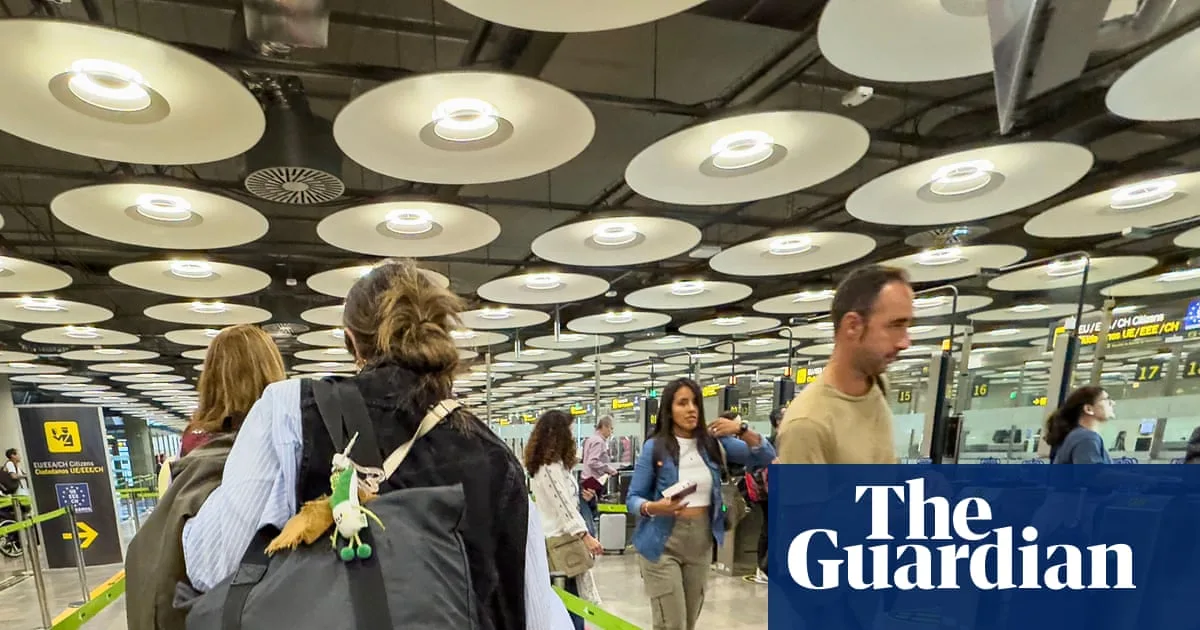
Travel industry leaders have urged the European Commission to allow border authorities to suspend the new Entry-Exit System (EES) if necessary, amid fears of severe disruption this summer. The biometric checks, which require fingerprinting and photographing most British visitors, have already caused queues of up to three hours at some European airports since a soft launch in October.
The Airports Council International (ACI) Europe warned that delays could reach five hours during peak summer months, describing the potential passenger experience as “disastrous”. Olivier Jankovec, ACI Europe’s director general, said chronic understaffing at border control was worsening the situation, with queues of up to two hours even at the current 35% registration rate.
Under the rules, border authorities can reduce checks or stand down the system to avoid significant queues. However, UK travel association Abta said this flexibility was not being applied consistently. Chief executive Mark Tanzer has written to the EU commissioner for migration, urging additional border guards and a review of the system.
The European Commission has indicated that contingency measures will remain available for at least 90 days from the April deadline, hinting at a possible extension through summer. But Jankovec noted airports had not received formal confirmation. He cited Lisbon airport, where queues reached seven hours before New Year, prompting Portuguese authorities to suspend the system.
In the UK, Eurotunnel has begun phased EES registration for coaches and lorries but not tourist vehicles, awaiting a date from French authorities. Eurostar has yet to activate new kiosks at St Pancras, relying on manual checks. Both operators say they are prepared for the full rollout.