Mississippi's Giant Lazy Susans Forge Friendships Over Southern Feasts
Mississippi's Giant Lazy Susans Unite Strangers at Table

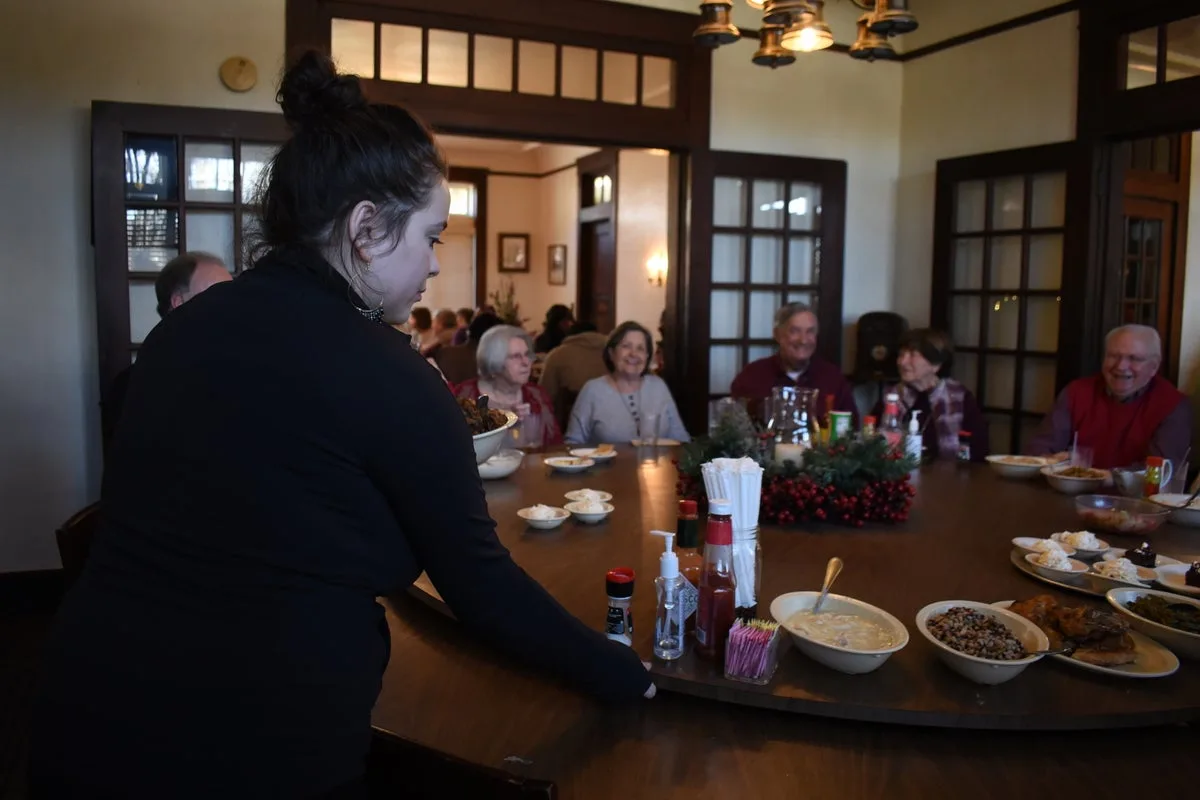
In the heart of McComb, Mississippi, a remarkable dining tradition is turning perfect strangers into fast friends over plates of classic Southern cuisine. The secret? Enormous circular tables centred around giant, food-laden lazy Susans that spin hospitality and conversation between guests.

A Table Where Strangers Become Family

Andre Davis, owner of The Dinner Bell, presides over a restaurant with just four tables. Each is a large circle seating up to 15 people. At the centre of every table, a lazy Susan rotates, dotted with heaping platters of food for all to share. Davis has watched this simple mechanism work social magic, bringing together people from every walk of life.

"We’ve had people sitting together that had nothing in common but the table they were sitting at," Davis observed. His customer base is wildly diverse, ranging from local water treatment plant workers and church groups to European tourists. He even once hosted British actor Hugh Bonneville.

For regulars like Wayne Dyson and his wife, who have frequented the spot for 40 years, the experience is about connection. "We've met doctors, lawyers, teachers," Dyson said. "And find out that most people are all good people." He added with a laugh, "Especially if they're eating."

Reviving a Historic Southern Dining Tradition

This distinctive style of service, often associated with Chinese cuisine, has deep roots in Mississippi, dating back to the early 20th century. According to Charles Morgan, whose family owned the now-closed Revolving Tables Restaurant in Mendenhall, these family-style restaurants evolved along railroad lines. They were designed to efficiently serve large numbers of people coming off trains.

Morgan's restaurant had been in his family since it opened in 1915. He reminisced about growing up listening to debates on politics and college football around an 18-seater table. Both he and Davis have watched similar establishments close over the years, though a handful remain across the American South. "You sure don't see too many of those anymore," Morgan noted. His own restaurant closed when his father retired in 2001, though he and his sister harbour hopes of reopening.

The Unpredictable Magic of Shared Meals

Davis admits this communal dining style isn't for everyone. Some patrons remain reserved, while others blossom in the convivial atmosphere. Some days are quiet, with regulars swapping farming tips. Other times, the room is raucous as tour groups and families chat with whomever the spinning table places beside them.

The outcomes, however, can be profound. Davis has witnessed countless conversations across social divides, leading to friendships, mutual respect, and even romance. One widower and widow met at The Dinner Bell and later married.

The power of the shared table was vividly illustrated earlier this month when Justin Monistere and his family stopped for lunch to celebrate his sister's nursing school graduation. By meal's end, he was calling the Dysons "mom" and "pop." Monistere reflected on the rarity of the experience, noting it was the first meal since his childhood where no one pulled out a mobile phone. "Today in time we don't talk as people. It's either through a message or phone," he said. "I think that's a great thing that they're doing here."

For Davis, the joy lies in the beautiful, unplanned collisions of humanity his tables facilitate. "It's been hilarious, some of the people that have ended up sitting beside each other," he said. "You couldn't do it on purpose, you couldn't plan it, and you couldn't make it up."