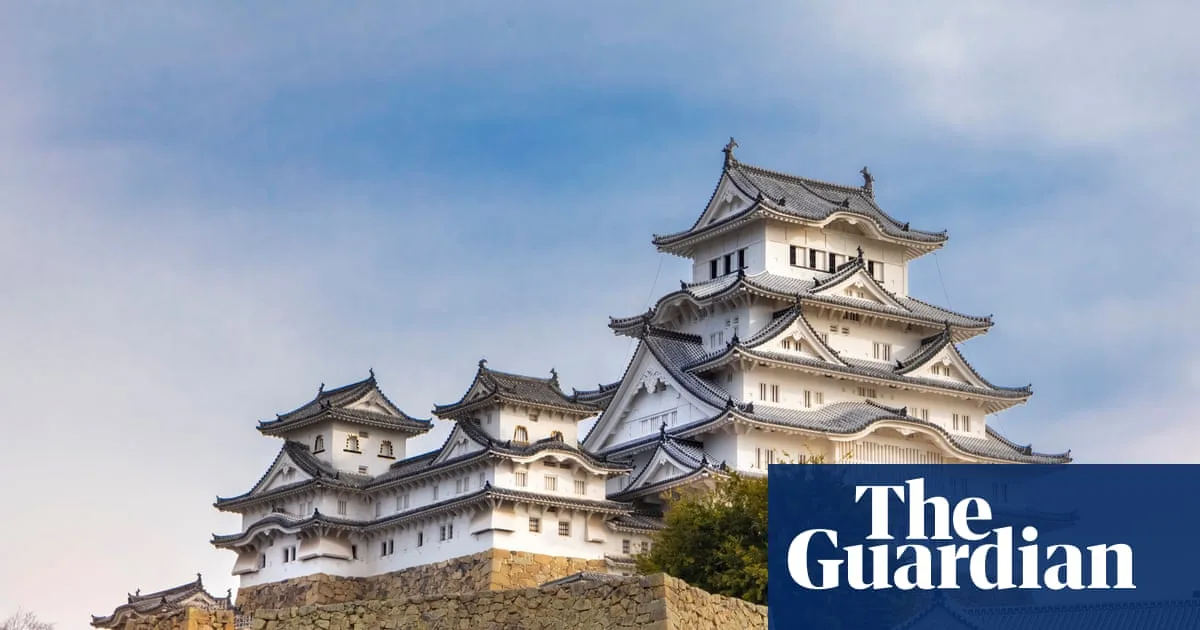
Japan is grappling with overtourism as it aims to attract 60 million overseas visitors annually by 2030, up from 42 million last year. One strategy gaining traction is dual pricing, where non-residents pay more for attractions and services. Himeji Castle, a UNESCO World Heritage site, introduced a two-tier admission fee on 1 March, charging overseas tourists 2,500 yen ($15.50) while locals pay 1,000 yen ($6.20). In the first month, visitor numbers dropped 17%, but ticket revenue more than doubled.
Kensuke Tsushi from the castle's management bureau explained that the system is framed as a flat rate with a discount for city residents. Complaints have come mainly from Japanese visitors outside Himeji, who question why only locals receive the discount. Overseas visitors to the castle reached 547,000 last year, and a 10-year plan forecasts 1.2 million annually, increasing maintenance costs.
Other sites are adopting similar measures. Kyoto is considering higher bus fares for non-residents, while Nagano prefecture already charges more for ski passes and onsen hot springs. The Agency for Cultural Affairs plans to raise admission prices for overseas tourists at state-run museums. Junglia Okinawa, a nature-experience theme park, charges 6,930 yen ($43) for Japan residents and 8,800 yen ($54.45) for others.
Japan has also tripled the departure tax to 3,000 yen ($18.55) this month and raised visa fees fivefold to 15,000 yen ($93), though these do not affect visa-waiver countries including the UK and Australia. Overseas visitor spending hit a record 9.5 trillion yen ($59bn) in 2025, up 16%.
Some tourists are uneasy about dual pricing. Lauren Kelly, a Briton based in Bangkok, finds it 'segregating' even though it is common in Thailand. However, many locals support the system. Yoko Fujihara from Nagano says it is fair for visitors to pay more, as some residents use facilities daily. The challenge remains balancing growth with managing overtourism.