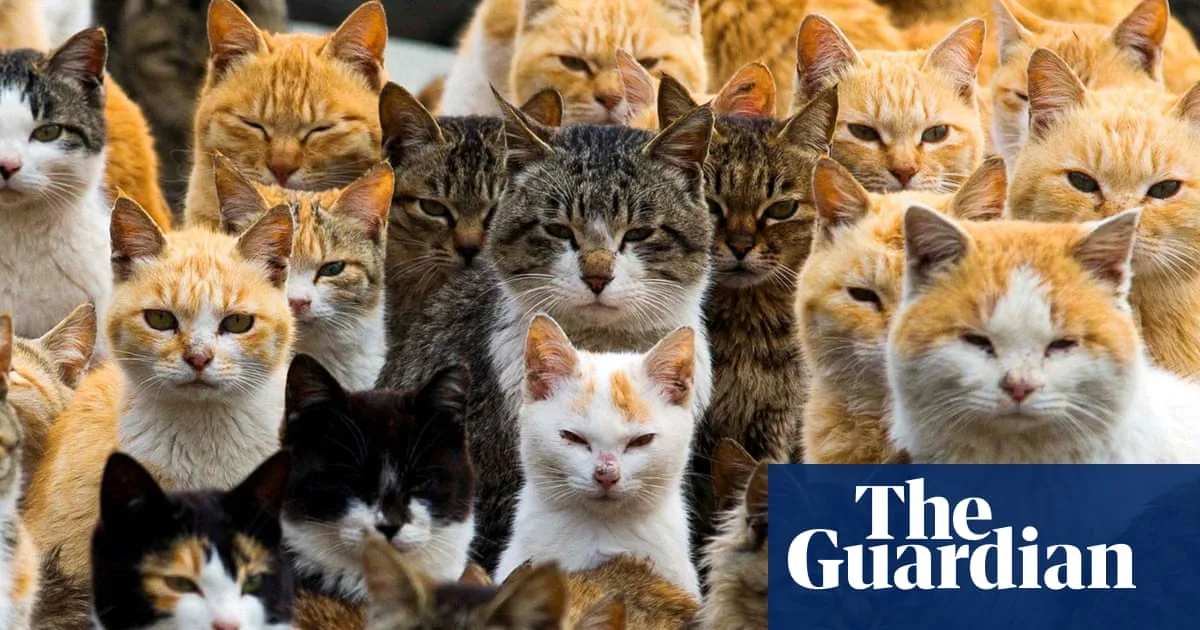
Cats have outnumbered dogs as pets in Japan for a decade, and their influence is now felt across every corner of society. A recent report estimates that felines will generate nearly ¥3tn ($18.8bn) for the Japanese economy this year, a phenomenon dubbed 'catnomics'. From literature to retail, the power of the paw is undeniable.
In Tokyo's Yanaka Ginza neighbourhood, tourists from North America, Australia and Europe flock to the self-proclaimed 'cat town'. Cat images adorn shopfronts and street signs, and visitors can buy lucky black cat souvenirs or design personalised cat-themed seals. However, the heat keeps many of the area's real felines indoors.
'There have always been cats in Yanaka because there are lots of Buddhist temples here,' said Yumiko Yamashita, owner of the Neco Action store. 'In the old days they roamed around and even went into different houses, but they're less visible these days.'
The global boom in Japanese literature has turned the cat into a marketing juggernaut. Cats feature prominently in works by Haruki Murakami and others, and publishers often use feline imagery on book covers even when the story has no connection to cats. According to the Japan Pet Food Association, Japanese households kept 8.8 million cats in 2025, compared with 6.8 million dogs, and the average cat-owning household spends almost ¥1.8m ($11,300) over the pet's lifetime.
Katsuhiro Miyamoto, professor emeritus at Kansai University, estimates that cats will add just under ¥3tn to the economy in 2026, an impact comparable to that of the 2025 World Exposition in Osaka. High-profile cat owners include the emperor and empress, and Prime Minister Sanae Takaichi has expressed a preference for cats over dogs.
Cats are believed to have arrived in Japan during the Nara period (710-794) via envoys returning from Tang Dynasty China. They were taken in by temples to protect scriptures from rodents, earning them a special, even mystic status. Japanese folklore portrays cats as benign beings and harbingers of good fortune, exemplified by the maneki neko statue, which is thought to have been inspired by Tokyo's Gōtokuji temple.