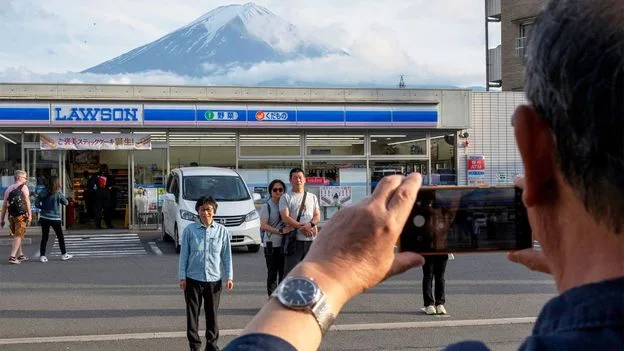
In the age of viral travel trends, bucket lists are becoming increasingly homogenised, with destinations like Italy and Japan experiencing the negative effects of overtourism. Social media has become the primary source of travel inspiration, leading many to flock to the same iconic spots, often resulting in overcrowding and disappointment.
Italian marketing firm Visit Italy launched the '99% of Italy' campaign this summer, based on data showing that 70% of the nation's 70 million annual international visitors head to just 1% of its territory. The campaign encourages travellers to explore lesser-known regions such as the ancient villages of La Marche and the Etruscan hamlet of Sorano, aiming to alleviate pressure on congested cities like Venice and Florence.
Similarly, UK-based tour operator InsideJapanTours has developed a data-driven 'undertourism' strategy to promote under-visited regions in Japan. Head of sustainability Rob Moran noted a post-Covid surge in demand for top-10 destinations, prompting the company to weave popular highlights with off-the-beaten-track spots like the Toyama region, known for its traditional crafts and emerald rivers.
Dr Ruben Santopietro, CEO of Visit Italy, said: 'This kind of concentrated tourism is reshaping cities like Venice, Florence, Rome, Naples and the Cinque Terre into fragile, congested spaces that struggle under the weight of mass tourism.' The goal is to flip the narrative and help authentic territories gain visibility.
By making small but meaningful changes to itineraries, travellers can help preserve local culture and support rural regeneration, while still enjoying the iconic views they dream of. As Moran put it: 'It's about making small but meaningful changes to a trip – it makes a bigger impact overall.'