

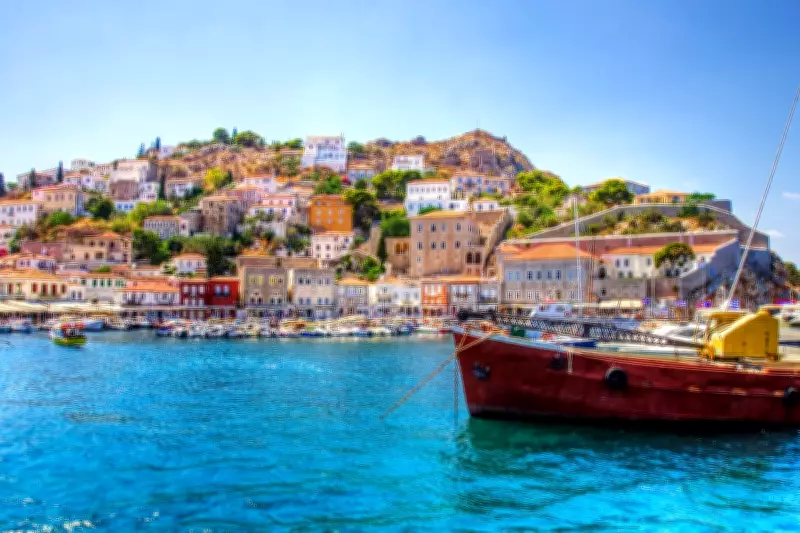
Hydra: The Undiscovered Greek Island Paradise
In a world where popular Greek destinations like Santorini and Mykonos often grapple with overtourism, a serene alternative awaits just over an hour from Athens. Hydra, a picturesque Saronic Island, presents a compelling case for travellers seeking authenticity over crowds. This car-free idyll delivers all the Cycladic charm without the accompanying chaos, offering a transformative experience that lingers long after departure.
A Living Painting Steeped in History
Arriving at Hydra's ancient harbour feels like stepping into a Mediterranean masterpiece. The island exists in a delightful limbo between myth and reality, where donkeys still transport luggage along whitewashed alleyways and fishermen mend nets quayside. The soundtrack here comprises gentle water lapping against stone and the rhythmic clopping of hooves, creating an atmosphere of profound peace.
Hydra's preservation order banning motor vehicles contributes significantly to its unique character. Only essential vehicles like ambulances, fire trucks, and refuse lorries are permitted, meaning no motorbikes disrupt the tranquillity. This policy has created the world's largest herd of working equines, with donkeys and mules transporting everything from groceries to building materials across the island.

Artistic Inspiration and Cultural Riches
The island has long captivated creative minds, from Leonard Cohen who lived here and reportedly drew inspiration for "Bird on the Wire" from Hydra's atmosphere, to contemporary artists like Jeff Koons. Koons' 2022 exhibition transformed the Deste Foundation Project Space Slaughterhouse into a sunlit shrine to Apollo, demonstrating how Hydra continues to inspire boundary-pushing art.
For those interested in traditional history, the Historical Archive Museum of Hydra offers fascinating insights. Housed in a handsome Neoclassical mansion near the port, visitors can explore naval paintings, intricate ship models, and handwritten letters detailing Hydra's crucial role in the Greek War of Independence.
Exploring Beyond the Harbour
While Hydra's port area enchants with its bougainvillaea-bright courtyards and proud mansions, the island rewards those who venture further. Visitors can saddle up for horseback rides through olive groves past centuries-old chapels, with over 300 religious sites scattered across the landscape.
Boat exploration reveals another dimension of Hydra's beauty. Chartering vessels allows access to secluded beaches only reachable by sea, while trips to nearby Dokos island offer diving opportunities among ancient shipwrecks and underwater cliffs. For authentic local experiences, traditional line fishing aboard wooden caiques operated by generational fishermen provides genuine insight into island life.
Practical Considerations for Your Visit
Reaching Hydra involves a 75-minute catamaran journey from Athens, with return fares starting from approximately £50. While ferry travel throughout Greece remains expensive, the convenience of proximity to Athens eliminates lengthy travel times common with more distant islands.
Accommodation options include the five-star Mandraki Beach Resort, set on Hydra's only sandy beach. This former 19th-century shipbuilding yard has been transformed into a boutique escape featuring just 17 suites with natural materials and original stone archways. The resort's open-air restaurant, Captain M, serves seasonal Greek dishes with modern twists, perfect for sunset dining overlooking the Peloponnese.
The Soulful Alternative to Crowded Destinations
As travel fever grips Greece's most famous islands, Hydra stands apart as a sanctuary of calm. The absence of airport chaos, hours-long ferry rides, and jostling for perfect sunset photographs creates space for genuine connection with place and self. Here, visitors naturally breathe deeper, move more slowly, and absorb the island's rare, undisturbed energy.
While Mykonos offers pulsing beach clubs and Santorini boasts famous sunsets, Hydra provides something more profound: soul. This car-free Saronic gem represents not just another Greek island destination, but a different philosophy of travel altogether—one where preservation, authenticity, and tranquillity take precedence over mass tourism's relentless pace.






