Greece Suspends EU Biometric Checks for UK Tourists This Summer
British holidaymakers planning trips to Greece this summer will dodge controversial new European Union border checks after Athens decided to suspend fingerprinting and facial scan requirements. This move comes as Brussels continues to implement its sweeping Entry/Exit System (EES), which mandates that all non-EU visitors submit biometric data at airports and border crossings across the bloc.
EES System Sparks Warnings of Severe Delays
The EES scheme, designed to replace traditional passport stamping and monitor the 90-day visa-free rule for non-EU travellers, has already triggered warnings of crippling delays at borders. Tourists have been informed that queues could extend up to four hours under the new regime, which is now fully operational in many EU countries.
In a strategic effort to avoid disruption during the peak summer getaway season, Greece has opted out of the biometric checks for now. Eleni Skarveli, director of the Greek National Tourism Organisation in the UK, stated that this decision will "ensure a smoother and more efficient arrival experience in Greece" and will "significantly reduce waiting times" while alleviating congestion at airports.

Chaotic Rollout Causes Travel Nightmares Elsewhere
The EES rollout has not been without significant incidents in other parts of Europe. At Milan Linate Airport last Sunday, more than 120 easyJet passengers were left stranded after lengthy hold-ups at border control caused them to miss their flight to Manchester.
Among those affected were teacher Max Hume, 56, his wife Lynsey, 46, and their 13-year-old son Archie, whose return from a family ski trip descended into frustration. After queuing for over an hour on arrival in Italy and heeding advice to arrive early for departure, they reached the airport nearly three hours before take-off – only to be caught in further delays.
They ultimately watched their plane depart without them. Faced with a £330 rebooking fee for a flight five days later, the family instead paid approximately £1,600 for an alternative route via Luxembourg. Speaking to The Independent, Mr Hume expressed feeling "gutted, upset, let down, absolutely shattered and poorer – much poorer."
Of the 156 passengers scheduled to board the Manchester flight, just 34 made it on board, leaving 122 behind. easyJet later issued an apology for the incident.
What Exactly Is the EES System?
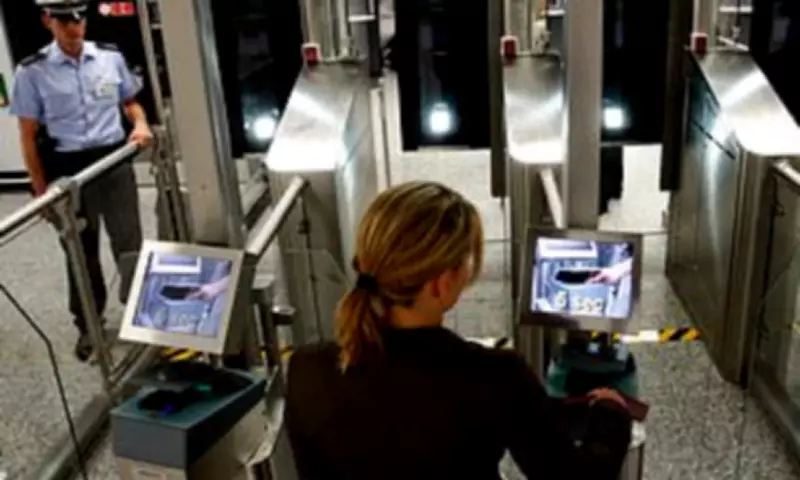
The EU's Entry/Exit System (EES) requires people from third-party countries such as the United Kingdom to have their fingerprints registered and photographs taken when entering the Schengen area, which consists of 29 European countries, primarily within the EU.
- The automated EES system was first launched in October 2025.
- Airports and ports initially had until April 10 to fully implement the technology as a mandatory requirement.
- EES replaces the current system of passports being stamped manually by border officers.
To register for EES for the first time, a photograph of the traveller's face will be taken and their passport scanned. Adults and children aged 12 and over will also have their fingerprints scanned. British travellers do not need to undertake any specific preparations but are advised to arrive at airports earlier than usual to account for potentially longer waits at passport control.
Ongoing Complications at UK Border Points
Back in the United Kingdom, complications persist at key 'juxtaposed' border points in Dover, Folkestone and London St Pancras, where expensive EES kiosks remain disconnected from French border police systems. This disruption is expected to continue until at least September, causing further inconvenience for travellers.
Strategic Move to Protect Vital Tourism Sector
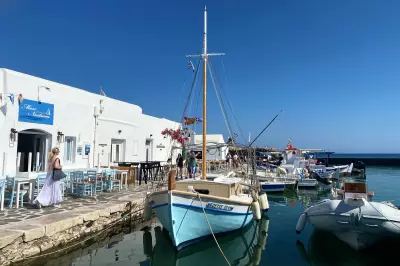
Greece's decision is widely viewed as a strategic manoeuvre to safeguard its crucial tourism industry, which relies heavily on British visitors flocking to popular hotspots such as Corfu, Crete and Rhodes. These destinations can each receive more than 2,000 UK arrivals per day during peak season.
With no confirmed end date for the exemption, speculation is mounting that other Mediterranean countries might follow Greece's lead in suspending the biometric checks to attract more tourists.

Impact on Holiday Plans and Industry Outlook
Travel experts suggest that this change may already be influencing holiday decisions for British tourists. A spokesman for ABTA noted: "Because of the war in the Middle East, Europe is seeing a big increase in interest as a holiday destination this year."
The organisation anticipates that Greece will rank as the fifth most popular destination for Britons this summer, behind Spain, France, Italy and the United States. "I think it's too early to say what this change might mean for the number of people visiting, particularly as decisions on where to go are based on a number of factors," the spokesman added.
Nevertheless, some travellers appear to have already made up their minds based on the exemption. One user on X wrote: "Greece for me this summer then, was thinking of Tenerife, but no way I'm putting up with those queues and chaos."
Another commented: "I work in the travel industry, already had customers worried about this new system, believe me, Greece will benefit from this stand!" While a third declared: "Perfect – off to the Greek islands this summer – common sense prevails!"