Greece Scraps EU Biometric Border System After 4-Hour Delays Strand Passengers
Greece Abandons EU Biometric Border System Over 4-Hour Delays

Greece Suspends EU Biometric Border Checks Amid Travel Chaos

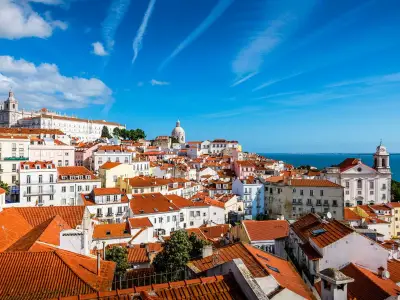
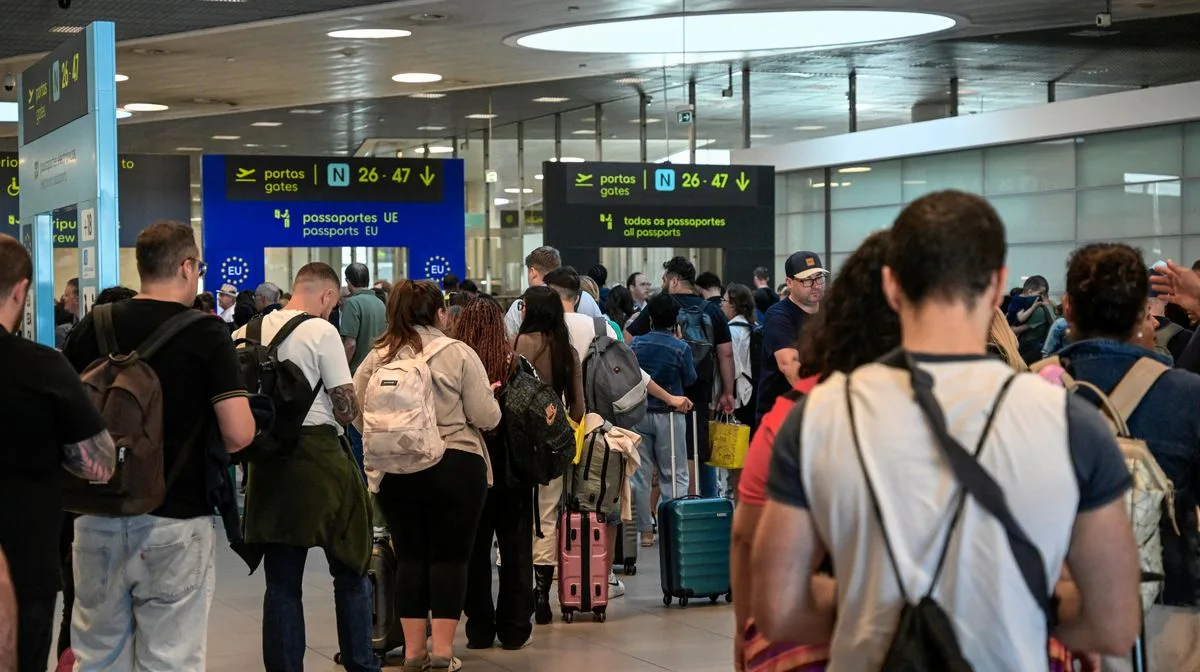
Greece has taken the unilateral decision to scrap the European Union's new biometric border system for British holidaymakers this summer. The move comes in direct response to mounting chaos and severe delays reported at airports across the continent, with queues stretching to four hours in some destinations.

System Designed to Replace Passport Stamps Causes Havoc

The Entry and Exit System (EES), introduced by Brussels, requires all travellers from the UK and other non-EU nations to undergo facial scans and fingerprinting at EU airports and border crossings. Intended to replace manual passport stamping and better monitor the 90-day visa-free limit, its implementation has instead triggered operational nightmares at some of Europe's busiest travel hubs.

Eleni Skarveli, director of the Greek National Tourism Organisation in the UK, confirmed the suspension. She stressed that the decision would "ensure a smoother and more efficient arrival experience in Greece" and would "significantly reduce waiting times" while alleviating crippling congestion at airports.

Wide Pickt banner — collaborative shopping lists app for Telegram, phone mockup with grocery list

Passengers Stranded as Flights Depart Empty

The real-world consequences of the EES delays were starkly illustrated by a single incident at Milan Linate airport. On Sunday, a staggering 122 passengers were unable to board an easyJet flight to Manchester due to extensive holdups at passport desks implementing the new system.

The 11am departure was held for 59 minutes but ultimately took off with the majority of its seats empty. Of the 156 passengers booked, only 34 made it onto the aircraft.

One affected passenger, 17-year-old Kiera from Oldham, described the scene to the BBC: "We got to Border Control and it was a massive queue of people... At about 10.50am they brought some water over for people, and when we got to the front of the queue someone asked us if we were going to Manchester, and told us our flight had just gone."

Another traveller, Vicky Chapman, 26, from Wirral, was booked on the same flight with her family, including her five-year-old son. She told the Liverpool Echo they arrived with ample time but were "refused entry through passport control" and subsequently treated as no-shows.

"We were passed from pillar to post for three hours and no-one helped us," Chapman said. "It was so hot in the airport, people were vomiting, people were almost passing out." Her family faced extra costs for accommodation and a rerouted flight home.

Travel Industry Expresses Frustration and Issues Apology

Luke Petherbridge, director of public affairs at travel trade organisation Abta, expressed clear frustration: "While for many the travel experience remains smooth, we’re disappointed and frustrated to see some passengers being caught up in delays due to EES."

He reiterated that Abta had been warning destinations and the European Commission for some time about the need for proactive steps, including the full use of contingency measures to suspend biometric checks during peak times and ensuring adequate staffing.

An easyJet spokesman confirmed the incident, stating the airline held the flight for nearly an hour but was forced to depart due to crew reaching their safety-regulated operating limits. The airline has offered affected customers free flight transfers and continues to urge border authorities to utilise all permitted flexibilities to avoid "unacceptable border delays."

Greece's Tourism-Driven Decision and Wider Implications

Greece's economy is heavily reliant on British tourism, particularly at island hotspots like Corfu, Crete, and Rhodes, which can welcome over 2,000 UK passengers daily during peak season. The decision by Athens is widely seen as a strategic move to reassure British holidaymakers and could potentially encourage other Mediterranean nations to follow suit. Greece has not yet confirmed an end date for this exemption.

Meanwhile, significant technical issues persist elsewhere. At three of the UK's "juxtaposed" border controls in Dover, Folkestone, and London St Pancras, the expensive EES kiosks remain disconnected from the French border police IT system, with resolutions not expected until September.

Pickt after-article banner — collaborative shopping lists app with family illustration

Travel industry experts note that holidaymakers are already reconsidering their summer plans. With increased interest in European destinations due to conflicts elsewhere, Greece's move may sway travellers seeking to avoid EES-related chaos.

Social media reaction has been swift, with one traveller posting: "Greece for me this summer then, was thinking of Tenerife, but no way I'm putting up with those queues and chaos." Another commenter in the travel industry noted: "already had customers worried about this new system believe me, Greece will benefit from this stand!"

ABTA anticipates Greece will be the fifth most-visited destination by Britons this summer, behind Spain, France, Italy, and the USA. A spokesman noted it was too early to gauge the full impact of Greece's policy change, as holiday decisions are based on multiple factors, but the move undoubtedly positions Greece as a more attractive and hassle-free option for UK travellers.