Tens of thousands of US troops have remained in South Korea since the Korean War armistice in 1953, regularly conducting military drills that often draw angry responses from Pyongyang. Despite the lack of formal diplomatic relations and persistent tensions, a small but steady stream of Americans have visited North Korea on organised tours, sometimes with dangerous consequences.
The US State Department warns against all travel to North Korea, citing the continuing serious risk of arrest and long-term detention of US nationals, and notes that the US government cannot provide emergency services there. In July 2017, the US government banned US citizens from visiting the country, a measure that has been extended until at least August this year.
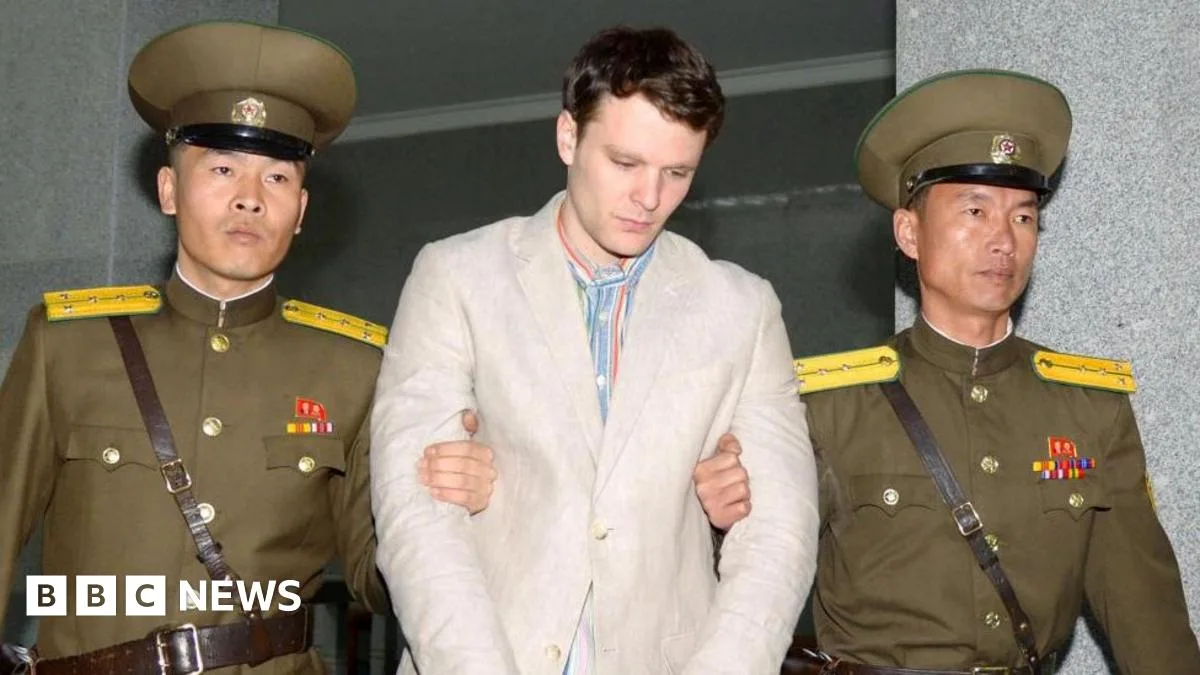
One of the most notable cases is that of Otto Warmbier, a University of Virginia student arrested in January 2016 during a five-day tour. He was sentenced to 15 years' imprisonment with hard labour for attempting to steal a propaganda poster. He suffered a neurological injury under unclear circumstances and was released in June 2017 in a serious condition, dying six days later. His family said he had been tortured, and a US federal court later found North Korea liable for his death, though Pyongyang denied any wrongdoing.
In October 2018, North Korea announced the detention of Bruce Byron Lowrance, a 60-year-old from Michigan, who entered the country illegally from China. He was released about a month later, with US officials suggesting the move might have been an attempt to improve relations after high-level talks between Kim Jong Un and then-President Donald Trump. Lowrance has not commented publicly on his detention.
Matthew Miller, a 24-year-old teacher from California, was detained in April 2014 and charged with espionage. He was sentenced to six years' imprisonment with hard labour, and later described spending much of his time digging fields, moving stones and pulling weeds.