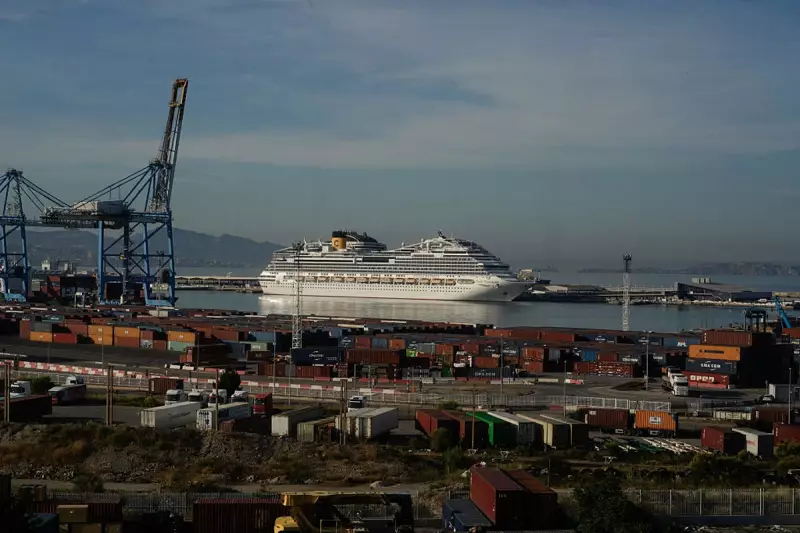
The French Senate has taken a decisive step towards imposing a new environmental levy on the cruise industry, voting in favour of a tax that would see international passengers charged €15 (approximately £13) for every port call in France.
The "Polluter Pays" Principle in Action
This proposed tax is firmly rooted in the "polluter pays" (pollueur-payeur) principle, designed to shift the financial burden of environmental damage and its prevention directly onto those responsible. The revenue, estimated at a substantial €75 million per year, is earmarked specifically for the conservation and protection of France's coastal areas.
The motion was championed by Senator Jean-Marc Delia from the right-wing Republicans party. He highlighted the significant environmental impact of cruise ships, citing data showing they emit a staggering seven million tonnes of CO2 annually in European waters alone.

Political Hurdles and Next Steps
Despite the Senate's approval, the measure faces opposition. President Emmanuel Macron's centrist government has voiced its dissent. Budget Minister Amélie Montchalin raised concerns about the "difficulty of differentiating between a cruise ship and a ferry" for the purposes of applying the tax.
For the tax to become law, it must now be approved by the lower house, the Assemblée Nationale. This crucial vote is anticipated later this month. The tax proposal is integrated into the broader draft budget for 2026, meaning its passage is tied to the wider fiscal negotiations.
A Growing Backlash Against Cruise Tourism
This legislative move aligns with a growing trend of local restrictions on cruise ships in France, driven by environmental and overtourism concerns. The glamorous resort of Cannes on the French Riviera will ban all cruise ships carrying more than 1,000 people from its harbour, effective 1 January 2026.
Nearby Nice has also taken action, capping the number of cruise ships allowed to dock at 65 per year, following earlier, more ambitious attempts to limit vessels. These local measures reflect sustained pressure from environmental campaigners who accuse the cruise industry of significant pollution, improper waste discharge, and engaging in "greenwashing".
The scale of the problem was underscored in 2024, when it was revealed that Carnival cruise line's CO2 emissions in Europe for the previous year exceeded those of the entire city of Glasgow. With mainland France welcoming over 3.8 million cruise passengers in 2023—a 13% increase from pre-pandemic 2019—the push for greater industry accountability is gaining considerable momentum.