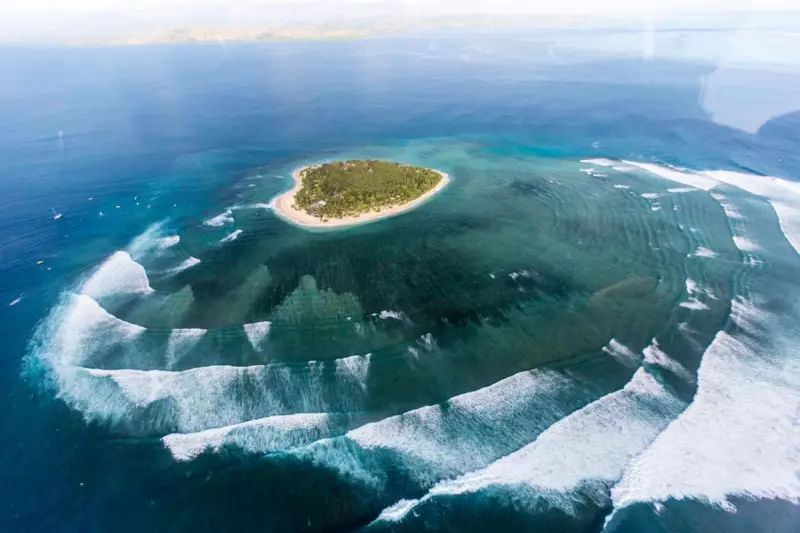
For generations, the Indigenous iTaukei people of Fiji have nurtured a profound, spiritual connection to the sea. In a tradition that binds life to the ocean, the umbilical cords of newborns are sometimes implanted within the living coral reefs. Yet, for decades, access to the very waves that cradle these sacred ties has been a source of bitter conflict, pitting local custodians against a lucrative tourism industry.
From Exclusion to Empowerment: A Surfing Revolution
Now, a landmark legislative shift promises to correct historical wrongs. The Fijian government is advancing plans to restore customary marine tenure, known as qoliqoli, back to the iTaukei. This move would empower Indigenous communities to govern their traditional fishing grounds and reefs, including world-renowned surf breaks like Cloudbreak, and receive compensation from tourism operations.
The controversy has deep roots. For years, the perfect, barrelling waves of Cloudbreak were off-limits to Fijian locals due to an exclusivity deal with the Tavarua Island Resort dating to the early 1980s. Ian Ravouvou Muller, an iTaukei surfer, recalls being threatened and chased from waters where his sons' vicovico (umbilical cords) are buried, describing the experience as "demeaning" and "shameful."

In 2010, a decree by then-Prime Minister Frank Bainimarama banned payments for reef use and ended exclusivity deals, opening the waves to all. While this fostered a new generation of local surf talent, including Fiji's first professional surfer, it also sidelined customary rights, cutting iTaukei out of profits and decisions as foreign-owned resorts flourished.
Balancing Economic Growth with Indigenous Justice
Tourism is Fiji's economic lifeblood, contributing roughly 40% to GDP and generating about FJ$2.5bn (US$1bn) last year. However, many iTaukei live in rural poverty. "The very people who looked after these reefs for generations have nothing at all," states Dr Jekope Maiono, an expert in Indigenous economic development.
Deputy Prime Minister Viliame Gavoka heralded the new Marine Areas Bill as a way to ensure "Indigenous communities are part of tourism in a big way." The proposed system would see customary groups register their qoliqoli rights with a government commission, which would then oversee lease negotiations with tourism operators.
However, the bill has sparked concerns within the industry about practical implementation. Tourism operators seek clarity on how it will affect existing leases, access to marine sites, and enforcement. Fantasha Lockington, CEO of the Fiji Hotel and Tourism Association, has called for a "far clearer understanding" of the impacts.
Navigating Challenges for a Sustainable Future
Legal experts like environmental lawyer James Sloan warn of potential pitfalls. While calling the bill "transformative and ambitious," he notes risks of making Fiji a more expensive destination if costs are passed to tourists and possible inter-tribal disputes over custodial rights.
This is not the first attempt to restore these rights; a previous effort in 2006 was cited as a factor in Bainimarama's coup. Opposition then was fueled by hoteliers fearing payments would cripple tourism. Yet, Indigenous rights advocates believe these fears are overstated. Dr Paresh Pant, CEO of Tourism Fiji, suggests a potential "sustainability tax" charged at airports could fund the initiative, supporting tourism that "lifts everyone socio-economically."
For surfers like Ian Muller, this legislation represents long-awaited justice. "People don't like the idea of paying for nature... but nature comes at a price. It needs to be protected," he reflects. "We are correcting the wrongs of the past to create change for the future... For us, this is surf redemption."