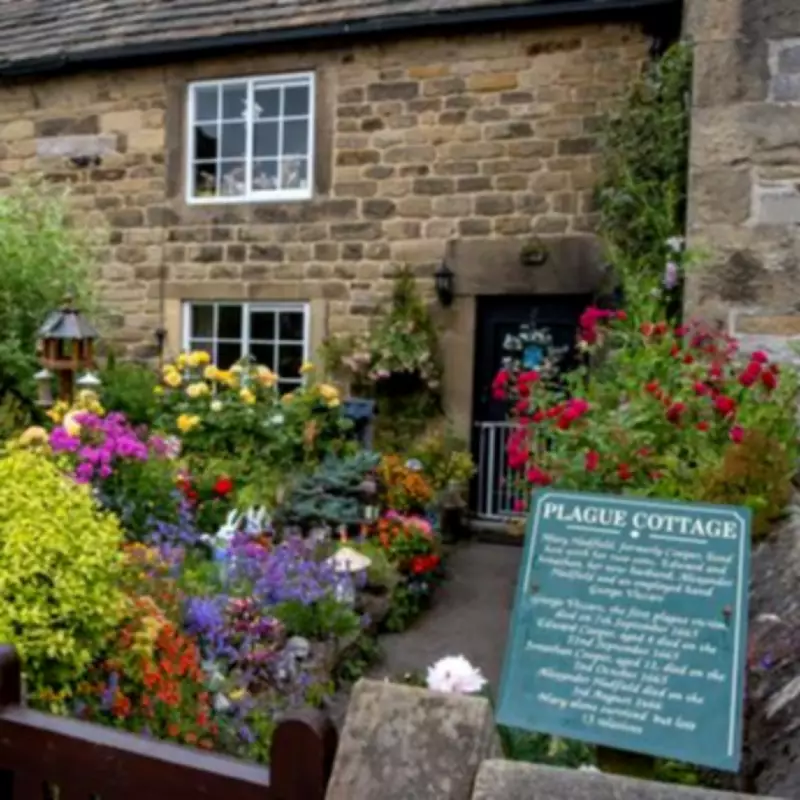
Eyam: Derbyshire's 'Plague Village' with a Haunting History Becomes Tourist Gem
Nestled within the picturesque Derbyshire countryside lies the historic village of Eyam, a location that has recently surged in popularity among visitors who describe it as a true 'hidden gem'. However, beneath its charming exterior and idyllic setting, Eyam conceals a profoundly dark and tragic past that dates back to the 17th century.
The Great Plague and Eyam's Voluntary Quarantine
During the tumultuous era of the Great Plague in the 1600s, when much of Britain was in turmoil, the villagers of Eyam made a remarkable and courageous decision. In August 1665, the plague arrived in the village, believed to have been transmitted via a parcel of cloth sent from London to a local tailor. The tailor's assistant fell ill and died just days after handling the damp fabric, triggering a rapid and devastating spread of the disease throughout the community.
While people across the nation were fleeing their homes in a desperate attempt to evade infection, the residents of Eyam chose to do the exact opposite. In a collective act of self-sacrifice, they resolved to stay put and implement a voluntary quarantine. Their reasoning was clear: fleeing would only propagate the plague further afield, endangering neighboring communities.

The rules of this self-imposed isolation were stringent and unwavering. No one was permitted to leave or enter the village, a harsh regime that persisted for an arduous 14 months. Despite these measures, the village suffered catastrophic losses, with approximately 260 lives claimed by the plague. This death toll decimated a significant portion of Eyam's population, with heart-wrenching accounts, such as one villager being forced to bury six of her children and her husband within just eight days.
Eyam Today: A Must-Visit Destination with Rich Historical Sites
Today, Eyam has transformed into a compelling destination for history enthusiasts and tourists alike. The Eyam Museum serves as an ideal starting point for visitors keen to delve into the village's poignant history. The museum, though compact, offers a diverse range of visual displays about the Plague and the history of Eyam's residents, effectively bringing the past to life through the stories of individuals and families who both survived and perished.
Recent visitors have praised the museum, with one stating on TripAdvisor: 'Really enjoyed our visit to the Eyam Museum. Staff were welcoming and friendly.' Another added: 'This museum was really interesting - much better than expected from a small museum! The history is fascinating and very well laid out.'
Beyond the museum, the village is dotted with sites that tell compelling tales of the plague and its impact. Additionally, Eyam Hall and Courtyard, a 17th-century manor house with stunning gardens, offers shopping and dining options, including the Bloom Bar and Grill. Visitors have shared positive experiences, such as: 'A beautiful venue for a wedding! Such a gorgeous, peaceful village with stunning surroundings.' Another noted: 'We dropped into Bloom looking for a light lunch... the service was attentive, and the ambiance was calm and peaceful.'
Why Eyam Remains a Captivating 'Hidden Gem'
The juxtaposition of Eyam's dark history with its current status as a serene and attractive village creates a unique allure. Its story of sacrifice and resilience during the Great Plague adds depth to its scenic beauty, making it more than just a typical tourist spot. The village's ability to preserve its history while welcoming modern visitors has cemented its reputation as a must-visit location in Derbyshire.
As tourism continues to grow, Eyam stands as a testament to human endurance and community spirit, offering a poignant reminder of the past while providing a peaceful escape in the present. Whether exploring its historical sites or simply enjoying its tranquil surroundings, visitors are sure to find Eyam a memorable and enriching destination.