A British expat who has lived in Spain for over a decade has shared his expert knowledge on how to instantly identify a potential pickpocket. James Smith, the founder of Learn Spanish with James, is fluent in the language and has spent more than ten years teaching and living in Spain, Argentina, and Costa Rica.
The Subtle Art of Spotting a Threat
His extensive time in Spanish-speaking nations taught him far more than just vocabulary; it gave him an understanding of the nuanced, safety-conscious behaviour locals employ in crowded places. James explains that constant suspicion is not the answer. Instead, it's about recognising which actions seem out of place in a busy environment.
This advice is crucial for travellers, as pickpocketing remains a widespread issue across Europe. Major Spanish tourist centres, including Barcelona, Madrid, and Valencia, are frequently listed among the European cities most plagued by this form of theft. While visitors can understandably feel nervous, adopting a few key habits is more effective than walking in fear.

Key Behaviours That Give Pickpockets Away
"Pickpockets are masters of blending in," James states. "They often dress like tourists, carry maps, and even pretend to take pictures. But their behaviour can betray them." He highlights several specific signs to watch for:
The first major red flag is someone loitering without any clear purpose. "Look for individuals who appear to be killing time in high-traffic zones," he advises. "Real tourists pause to look at a monument or a map. A pickpocket, however, will be scanning the crowd itself." This might be near metro station entrances, famous landmarks, or bustling squares where they aren't waiting for anyone or engaging with the scenery.
Secondly, in popular tourist areas, most people are looking upwards at architecture, watching street performers, or down at their phones for directions. A pickpocket's gaze, in contrast, will be fixed on bags, pockets, and how people are carrying their valuables.
Another telltale sign is someone maintaining an unnecessarily close distance in an open space. "Locals immediately notice if someone is too close behind you when the area isn't crowded," James notes. This, coupled with wearing jackets, scarves, or carrying bags that could conceal items or hands—especially in warm weather—can make them stand out.
Practical Habits for Personal Security
James also warns of common distraction tactics, such as a deliberate bump followed by an apology, or approaches by people with fake petitions or those being overly helpful. To counter these threats, he recommends adopting simple, effective habits used by residents.
His top tips include:
- Always hold your bag in front of you in crowded spaces, never hanging out of sight on your shoulder.
- Ensure zips and openings are facing inwards, against your body.
- Avoid using your phone while walking through busy streets, particularly near major attractions.
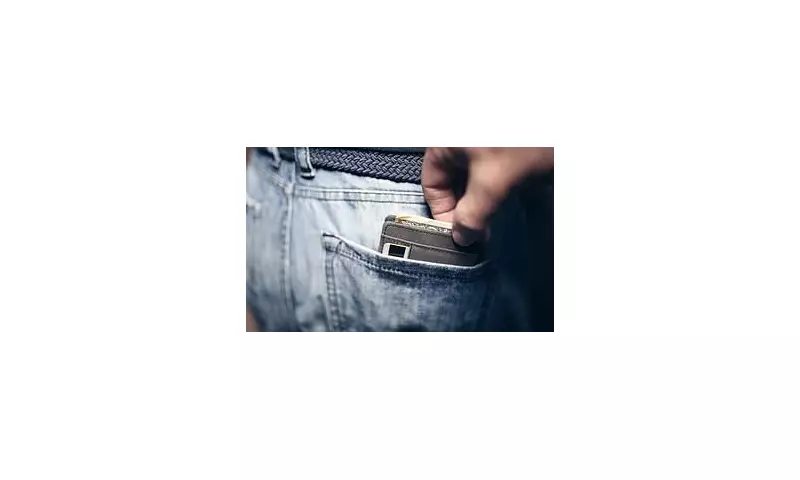
- Use front pockets for wallets and phones, as they are significantly harder to target than back pockets.
- In high-risk areas like the metro or queues, swing your backpack around to your front.
- Get into the routine of keeping one hand on your bag in these zones.
"The goal is awareness, not anxiety," James concludes. "Locals don't live in fear. They simply stay observant and keep their belongings secure. Once these practices become second nature, you can relax and fully enjoy your trip."