Europe's Seasonal Wonders: A Guide to Planning Your Weeklong Vacation
The Independent's journalism is supported by our readers. When you purchase through links on our site, we may earn commission.
Europe's most eye-catching natural wonders appear and disappear with the changing seasons. Missing these fleeting spectacles can lead to disappointment, but with careful planning, you can witness these extraordinary events. This comprehensive guide details when and where to experience Europe's seasonal marvels, allowing you to build memorable weeklong vacations around them.
Spring, Late March to Mid-May: Tulip Season in the Netherlands
The Netherlands dominates global tulip production, cultivating billions of bulbs annually—approximately eighty percent of the world's total. One premier destination is the Keukenhof spring garden in Lisse, open from March nineteenth to May tenth, located about twenty miles west of Amsterdam. Here, walking paths meander through seven million bulbs arranged in stunning multicolored displays.

Exploring the surrounding Bollenstreek region reveals farmland tulips in perfectly ordered rows, with some farms like The Tulip Barn welcoming visitors. Extend your vacation by discovering Amsterdam's cultural treasures, including the Rijksmuseum, Van Gogh Museum, UNESCO-listed canals, and picturesque Vondelpark. Don't miss the storybook windmills at Kinderdijk and Zaanse Schans, or The Hague's surprising combination of grand government buildings and a vast golden beach facing the North Sea.
Great place to stay: The Golden Tulip Leiden Centre offers comfortable accommodations opposite Leiden's railway station, with regular train services to Amsterdam and proximity to Keukenhof garden about ten miles away.
Late Spring to Summer, May–August: Alpine Wildflower Meadows in Switzerland
While Switzerland is famous for winter skiing, its dreamy wildflower meadows paired with breathtaking mountain views make it an exceptional spring and summer destination. The Schynige Platte ridge, standing 6,500 feet above sea level in the Bernese Oberland region near Interlaken, provides easy access to rich alpine flora without mountaineering.
Take the historic cogwheel train from Wilderswil, then follow the Swiss Flower & Panorama Trail through vibrant floral displays with the Eiger, Mönch, and Jungfrau mountains as dramatic backdrops. A nearby flower garden features over eight hundred species. For a full week, explore the Lauterbrunnen Valley's mesmerizing meadows and seventy-two waterfalls, cruise lakes Thun or Brienz, and ride the Eiger Express cable car to the Jungfraujoch, Europe's highest railway station at 11,332 feet.
Great place to stay: Hotel Interlaken in the resort town of Interlaken serves as a convenient base with easy access to trains, boats, buses, and mountain railways.
Early Summer: Midnight Sun in Northern Norway
Approximately one-third of Norway's landmass lies above the Arctic Circle, where summer sun between May and late July remains above the horizon for twenty-four hours, creating constant daylight even at midnight. This phenomenon bathes Norway's landscape in an ethereal glow when the sun is lower.
Excellent viewing spots include the Fjellheisen Cable Car viewpoint above Tromsø at 1,380 feet elevation, offering panoramic views of fjords, islands, and mountain ridgelines. The coastal area of Sommarøy, known as the "Arctic Caribbean," features stunning driving roads past tiny villages and islets. For ultimate photography, the Lofoten Islands archipelago boasts jagged peaks and colorful fishing villages. Extend your trip with visits to the Lyngen Alps and Senja Island, both within one hundred miles of Tromsø.
Great place to stay: Radisson Blu Hotel in Tromsø provides harbor views and rooms overlooking the city, Arctic Cathedral, or Tromsø Sound, with a bar serving beer from one of the world's northernmost breweries.

High Summer, Late June–July: Lavender Blooms in Provence
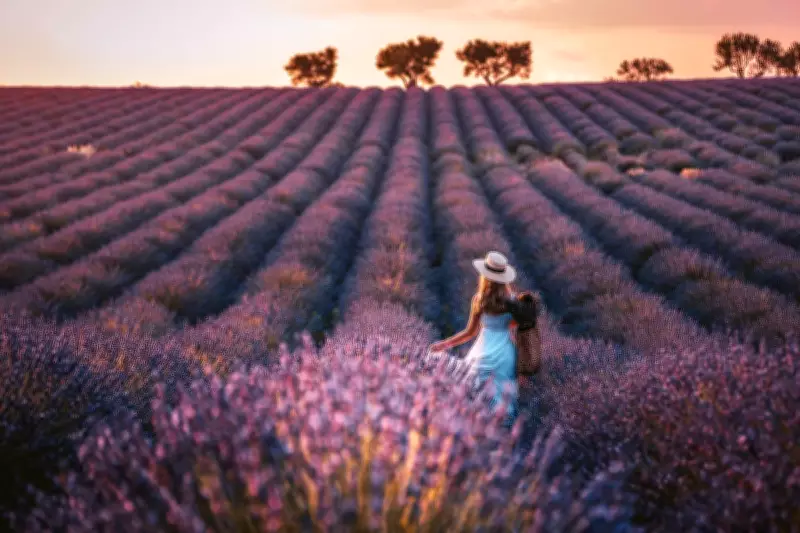
Provence transforms into a purple paradise during summer as lavender—used globally in perfumes, soaps, and essential oils—covers vast landscapes. The 300-square-mile Valensole Plateau, about sixty miles north of Marseille, features lavender stretching to the horizon. The hillier Sault Plateau, slightly further north on the Alps' edge, offers another spectacular display, while the Abbaye de Sénanque near Gordes presents a postcard-perfect scene with ancient architecture and neat lavender rows.
Complete your week with visits to Verdon Gorge, France's answer to the Grand Canyon, and the historic city of Avignon, a UNESCO World Heritage Site on the Rhone River. Explore the Palais des Papes, the world's largest Gothic palace, Les Halles d'Avignon covered market, and the Romanesque masterpiece Cathédrale Notre-Dame des Doms.
Great place to stay: Hôtel Le Pré Saint Michel in Manosque offers easy driving access to major lavender areas and Verdon Gorge.
Fall, Late September–October: Autumn Colors in the Scottish Highlands
Scotland becomes particularly spellbinding in fall as beech, birch, and oak trees turn red, orange, and deep bronze against misty lochs and snow-covered mountains. Cairngorms National Park in the central Highlands, between Inverness and Perth, showcases kaleidoscopic colors. Glen Affric, approximately twenty-seven miles from Inverness, is another hotspot for hypnotic hues.
Perthshire provides fertile foliage-chasing territory, with The Hermitage near Dunkeld offering easy walking trails among Douglas firs—among Britain's tallest trees—and thundering waterfalls. Round out your stay with visits to Loch Ness, legendary home of the Loch Ness Monster, and a road trip to the Isle of Skye, featuring dramatic landscapes like the Alpine-esque Cuillin mountains and Old Man of Storr pinnacle.
Great place to stay: Kingsmills Hotel in Inverness features an indoor pool and beautiful gardens, providing easy access to Scotland's autumnal treasures.
Winter, December to February: Northern Lights in Finnish Lapland
When solar particles collide with gases in Earth's atmosphere, dancing curtains of light in greens, pinks, and reds create the Northern Lights, visible with particular clarity and regularity in Finnish Lapland's inky skies between December and February. Rovaniemi, the region's gateway town about five hundred miles north of Helsinki, serves as an ideal base for aurora chasing, with light pollution dropping quickly outside town.
For even darker skies and brighter displays, head to Saariselkä, a small resort village approximately one hundred sixty miles north of Rovaniemi, and Urho Kekkonen National Park, a world of snow-covered forests and frozen rivers. Enhance your weeklong vacation with guided dog sledding, cross-country skiing, and snowshoeing experiences.
Great place to stay: Arctic Light Hotel in Rovaniemi, housed in the former city hall, offers fifty-seven inviting rooms and a restaurant serving regional ingredients like Arctic char and reindeer.