

According to the latest Great British Holiday Audit from easyJet and easyJet Holidays, British holidaymakers are planning their 2026 summer getaways around a fascinating mix of astronomical events, sporting passions, and screen-inspired destinations. The comprehensive report identifies several key trends that are shaping bookings, with a particular focus on experiences that offer meaning alongside mobility.
Dark Sky Tourism Takes Flight
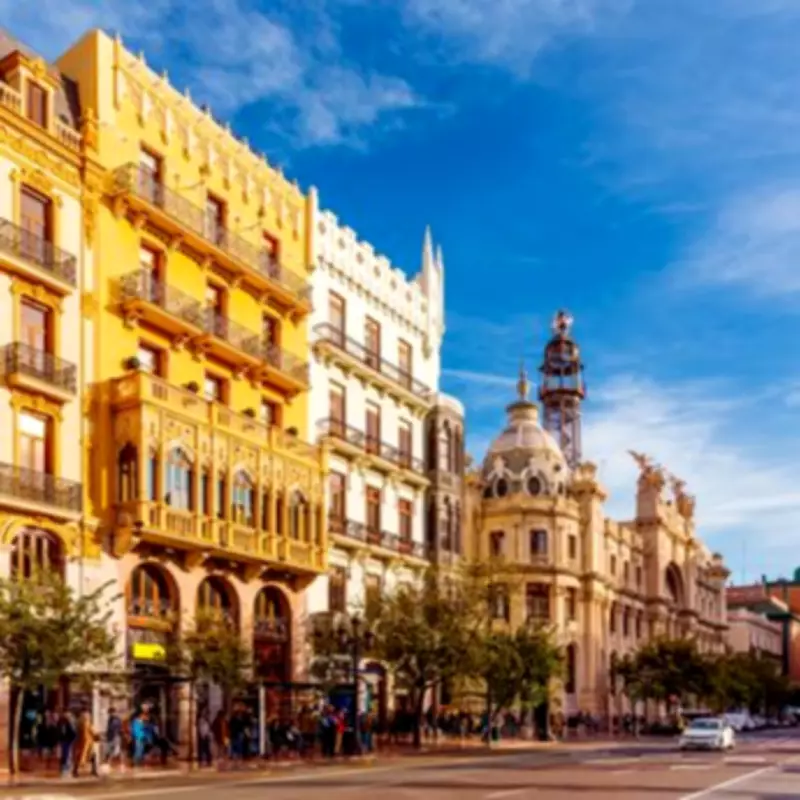
Astronomy and astrophotography are driving a significant surge in what is being termed 'dark sky tourism'. This trend has been amplified by social media platforms like TikTok, following the widespread visibility of the Northern Lights across the UK in 2025. The upcoming solar eclipse on August 12th is a major catalyst, with travellers booking trips to Spanish hotspots such as Valencia, Palma Mallorca, and Ibiza. These locations lie directly in the eclipse's path and are renowned for their long, clear summer days, offering the perfect conditions for celestial viewing.
This astronomical pursuit is proving especially popular with Generation Z, who are increasingly seeking unique and immersive holiday experiences. The trend represents a shift towards holidays built around specific interests and natural phenomena, moving beyond traditional sun-and-sea breaks.

The Rise of the 'Longer Short-Haul' and Niche Destinations
The report also notes that five to six-hour flights are becoming the new standard for short-haul travel, bringing a wider array of destinations within convenient reach. For instance, easyJet has recorded a 12% increase in flights to Tunisia, particularly to the island of Djerba. Meanwhile, city-break locations like Tbilisi in Georgia are gaining considerable traction among British travellers.
Furthermore, travel to established leisure hotspots including Morocco, Turkey, and Cyprus has seen a notable 21% rise. This indicates a continued appetite for diverse cultural experiences and reliable sunshine, albeit with a willingness to travel slightly further to attain them.
Screen-Led Travel and Literary Pilgrimages
Television and literature are exerting a powerful influence on destination choice. The anticipated return of the hit series The White Lotus to European filming locations is expected to drive significant interest in the south of France, as part of a broader 'screen-led' travel movement.
Similarly, 'canon country tourism'—visiting locations immortalised in classic literature and modern retellings—is on the rise. Destinations like Verona, famed for Shakespeare's Romeo and Juliet, and Pamplona, associated with Hemingway's writings, are attracting 28% of holidaymakers who base their choices on TV, books, or film.
The Padel Phenomenon and Sports Tourism
In the realm of sports, the padel craze is fuelling a new wave of activity-focused holidays. Particularly in Spain, where padel has now surpassed tennis in popularity, 10% of holidaymakers are trying the sport or pickleball while abroad. This trend highlights how niche sporting passions are becoming central to holiday planning for a growing segment of travellers.
Additionally, major sporting events like the 2026 FIFA World Cup are inspiring fans to travel to European fan zones. This strategy allows them to soak up the atmosphere and camaraderie at a fraction of the cost and time required to travel to the host nations across the Atlantic.
Evolving Traveller Habits and Demographics
Travellers are adapting their planning and booking habits. Many now utilise vlogs and virtual reality (VR) to explore and experience destinations digitally before committing to a booking, embracing a 'try before you fly' mentality.
Demographic shifts are also apparent. Parents with pre-school children are maximising their flexibility, cramming in more holidays before term-time restrictions begin. Conversely, so-called 'Home Alone' parents—those whose adult children have left home—are rediscovering the freedom to travel more frequently.
Another distinct group, dubbed 'Gen P' (those in their formative educational years during the pandemic), are showing a marked interest in spiritual and cultural journeys, embracing European pilgrimage routes to Santiago de Compostela and Lourdes.

Industry Perspective
Travel writer Nigel Thompson, who co-authored the report, observed: "We’re seeing travellers plan around passions and purpose – whether that’s spirituality, culture, sport or nature. It looks like 2026 is about meaning as much as mobility, but value remains a key factor."
Garry Wilson, CEO of easyJet Holidays, summarised the overarching theme: "In 2026, there’s a clear desire to make holidays count... people are prioritising connection, wellbeing and memories that last, not just time away." The audit underscores a definitive move towards experiential travel, where the destination is just the beginning of a deeper, more personally enriching journey.





