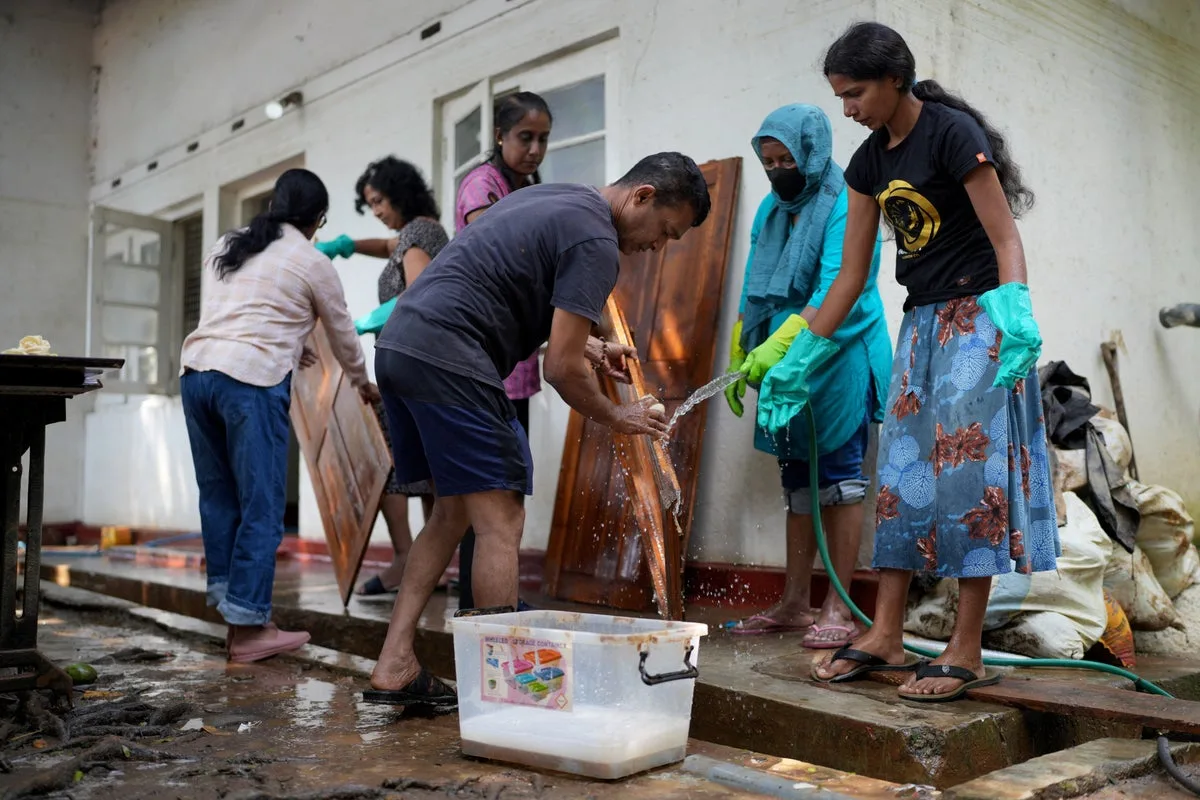
Sri Lanka's hill country, usually bustling with tourists from November to January, has been devastated by Cyclone Ditwah. The storm killed nearly 500 people last week and affected almost 10% of the country's 22 million population, with thousands of houses damaged or destroyed.
Among those struggling is Herath Gedara Rohan Anil Kumara, 37, whose three-bedroom homestay in Kithulbedda was damaged. The property, which earned over $30 a night, supported his family of six but has forced him to cancel all December and January bookings. 'I don’t know when we will be able to rebuild and return to normal,' he said from a relief centre.
The cyclone has hit roads, power lines and telecom networks, alongside significant agricultural losses. Tourism, Sri Lanka's third-largest foreign exchange earner at 4% of GDP, had been recovering from the 2022 economic crisis, with arrivals exceeding two million by mid-November. The government hoped to reach 2.6 million by year-end, the highest since the pandemic.
However, the Hotels Association of Sri Lanka reported cancellations remain low at about 1%. Association president Asoka Hettigoda said hotels across the island are operational and tourists in affected areas like Kandy and Nuwara Eliya are safe, though access is difficult due to blocked roads. Authorities have airlifted stranded tourists, waived overstay visa fees and allowed free flight rescheduling.
For Estelle Burgess, a 71-year-old Australian tourist visiting Kandy's Temple of the Tooth, the cyclone added to her adventure. 'We’re hoping the weather improves so we can enjoy the beach,' she said. 'Sri Lanka truly is an adventure. You never know what's going to happen next.'