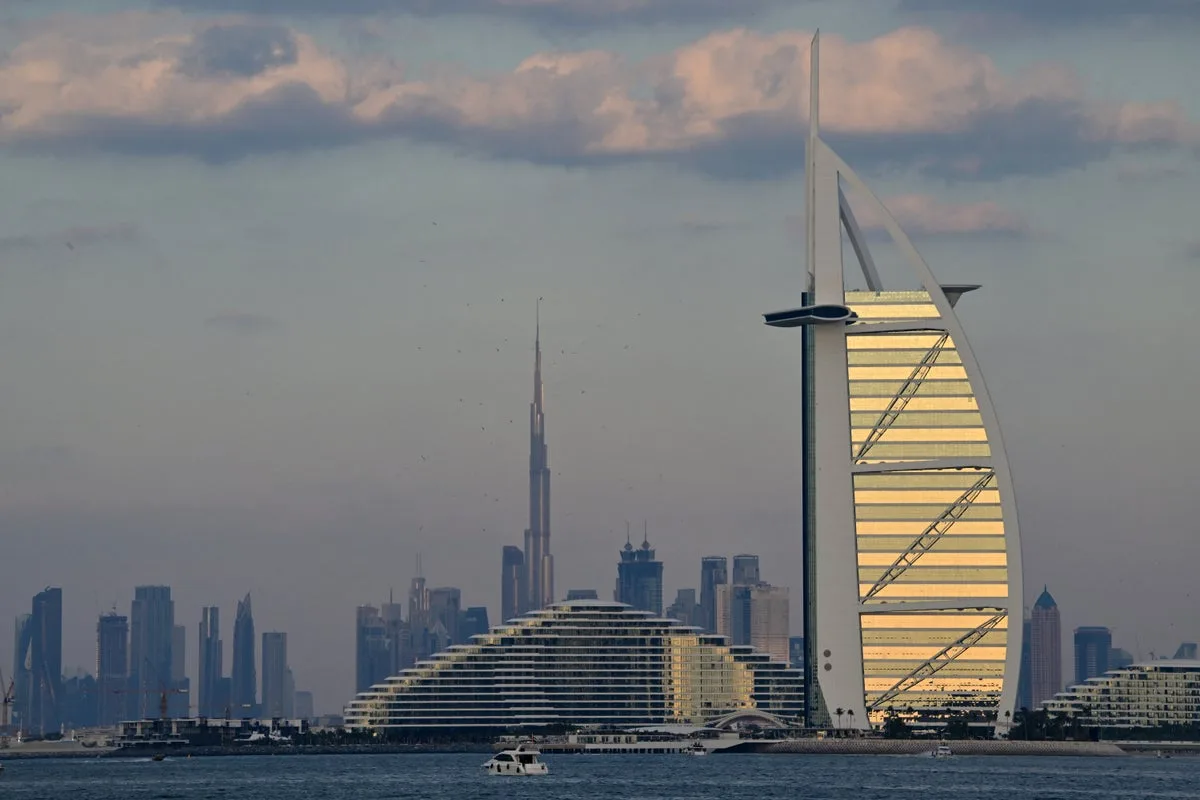
Dubai's iconic Burj Al Arab hotel is set to close its doors from May until late next year for a major restoration. The 60-storey landmark, which opened in 1999, will undergo a “carefully phased restoration programme” that will refresh its decor while preserving its distinctive character.
The refurbishment plans include a redesign of all 198 suites and an upgrade to the spa, led by French interior architect Tristan Auer. Standard suites at the hotel start from around £650 per night during off-peak times. Luxury facilities include round-the-clock butler service, an adults-only infinity pool and a Michelin-starred restaurant; the hotel markets itself as a ‘seven-star’ venue.
In February, the Burj Al Arab was damaged by debris from an intercepted drone following US-Israeli attacks on Iran. The Dubai Media Office confirmed that the drone was intercepted and debris caused a minor fire on the outer facade. Civil Defence teams responded immediately, and no injuries were reported.
Jumeirah, which operates the hotel, said the restoration programme has been developed through long-term planning following more than 25 years of continuous operation. Guests with existing reservations will be offered alternative accommodation at other Jumeirah properties in Dubai.
The UK Foreign Office currently advises against all but essential travel to the United Arab Emirates, including Dubai. The hotel is expected to reopen in late 2025 or early 2026.