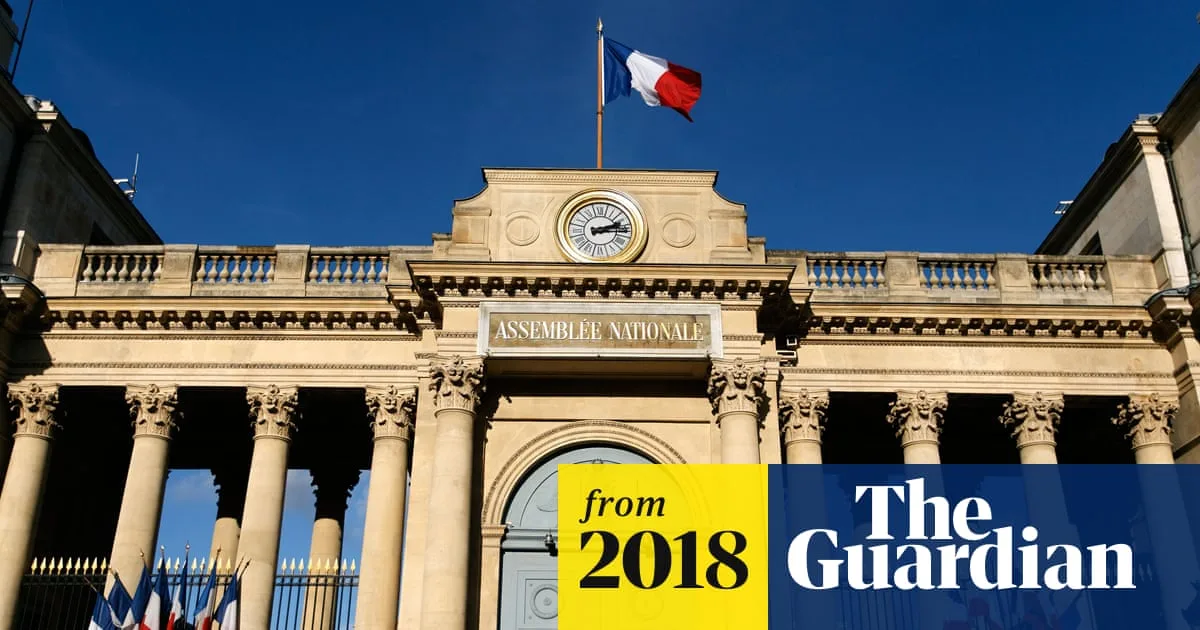
The French parliament has passed a law granting citizens a 'right to make mistakes' when dealing with government officials, provided the error is made in good faith. The legislation, approved by a show of hands in the Assemblée Nationale, allows for one forgiven mistake per person, with the burden of proof on authorities to demonstrate deliberate wrongdoing.
Ministers hailed the measure as a cornerstone of broader reforms promised by President Emmanuel Macron during his 2017 campaign, aimed at fostering a 'trustworthy society' and simplifying bureaucracy. The principle assumes citizens and companies act in good faith until proven otherwise, reversing the traditional presumption of guilt in administrative errors.
Under the new rules, if tax authorities discover a genuine mistake in a return, default interest will be reduced by 30%. If the taxpayer self-reports the error, the penalty is halved. French companies may also request official audits of their accounts and fiscal declarations to ensure compliance, potentially receiving warnings instead of punishments for non-compliance.
Gérald Darmanin, minister of public action and accounts, described the vote as 'a revolution in the relations between the administration and the administered.' He noted that the government had listened to citizens who 'like their public services but not their administration.' The right to make mistakes is part of a larger bill covering topics from geothermal energy to passport applications.
However, the right does not extend to public health, environmental, or security matters, nor to suspected fraud or repeat offenders. Dozens of additional articles are under debate to define the scope of the new provisions.