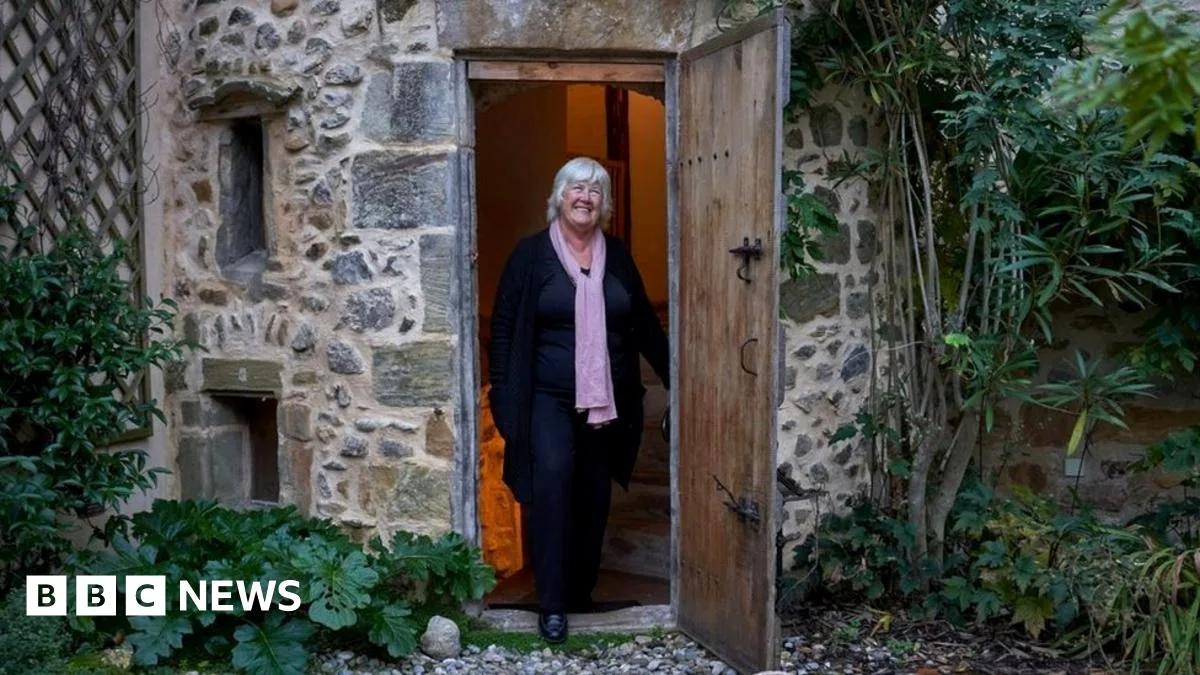
Alet-les-Bains, a small village in southern France, is bracing for the impact of Brexit on its close-knit British community. With around 440 residents, of whom roughly 60 are British, the village has come to value its English-speaking newcomers. Resident Annick Van Mairis expressed a common fear: "Our main fear is that they should have to leave for some reason or other."
The bond between Alet and its British residents dates back to the 1980s, when pensioners were drawn to the Aude region by its scenery, lifestyle and low property prices. The arrival of Ryanair flights from London and Manchester to Carcassonne in 1998 accelerated the influx. Min Stevenson, an early arrival, explained: "What I want is to be in a village. And I like the fact that people come along and say, 'hello, nice to see you'. The French people were very friendly."
Unlike enclaves elsewhere, the British in Alet have sought to integrate. David Goldsworthy, who settled nearby, said he avoided other Britons: "I wasn't here for that. I was here to try to become part of the landscape." Restaurant owner Sven Choplin noted that British patrons make up half of his customers and refused his offer to translate the menu, preferring to make the effort themselves. Local shopkeeper Annie Morejon observed that some Britons "come and give me a kiss", unlike some native French.
The newcomers have also helped preserve the village's heritage. Mayor Ghislaine Tafforeau said they renovated old homes "in a way that respects the tradition and the harmony of the village", adding that this was "a lesson for natives" more used to building modern villas. One street in the centre is even known locally as "la rue des Anglais". Retired postman Gérard Baudru credited them with bringing "brotherhood" and a surge in Christmas card deliveries.
However, Brexit has begun to take its toll. Estate agent Christophe Bac, who advertises in the UK, said the fall in the pound has reduced British buyers from 30% of his business to 15%. While some builders grumble about foreign workers undercutting wages, they concede that without the British, many houses would still be derelict. For now, the village watches anxiously as the fate of its British residents hangs in the balance.