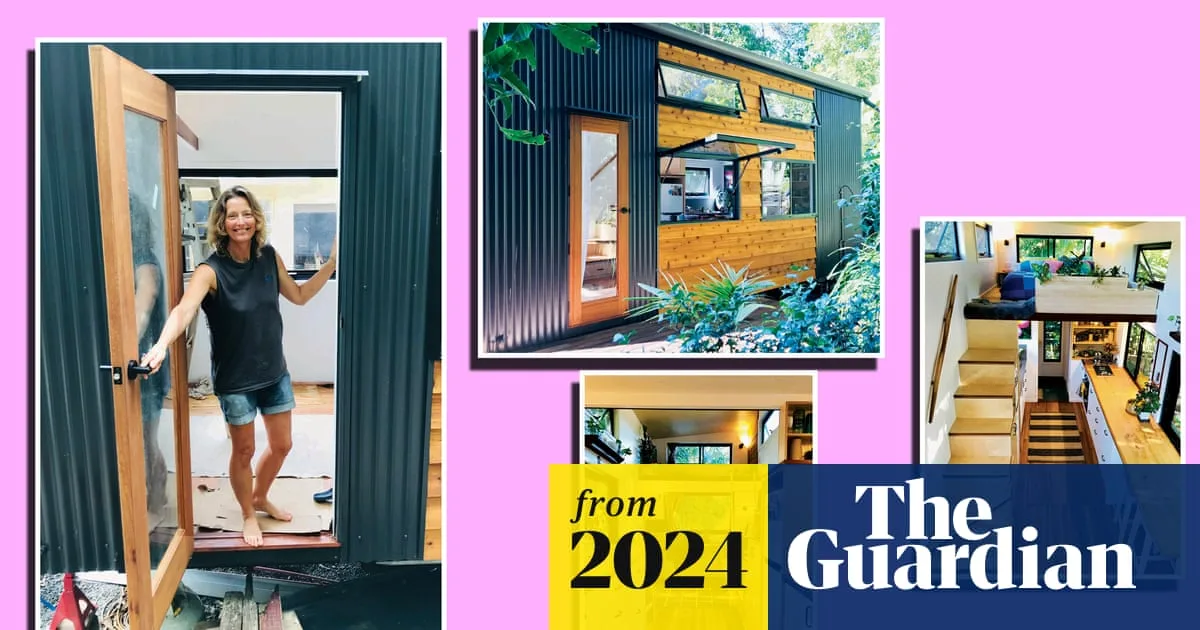
At 50, home ownership seemed out of reach for Louise Southerden. Living in a studio apartment in a seaside village near Byron Bay, she faced rising rents and the threat of her landlady selling the property. The housing crisis had spread from cities to regional areas, making security elusive.
Instead of giving up, Southerden explored alternative housing. She discovered tiny houses on wheels—trailer-based homes that are classified as vehicles, not buildings. This legal loophole meant she could design and build her own home without needing to comply with the national building code or submit plans for approval.
Tiny houses offered liberation from the rental cycle without the burden of a mortgage. They required fewer materials, less energy, and encouraged minimalism. For Southerden, building a tiny house was a return to a simpler, more sustainable way of living, reconnecting with the natural world.
She designed a 7.2-metre tiny house, big enough to be comfortable but small enough to be easily moved. The process allowed her to reclaim shelter-making, putting the hammer back in her hands. Her tiny home, now listed on Airbnb, has been named among the platform's most loved stays for 2025.