An AI-generated blog post on an Australian tour company's website has directed unsuspecting tourists to hot springs that do not exist, leading to unexpected visits to a remote Tasmanian town and raising serious questions about the reliability of AI-generated travel content.
The Imaginary Attraction That Fooled Travellers
In a now-deleted article published in July 2025, the Tasmania Tours website enthusiastically promoted "Weldborough Hot Springs" as a "peaceful escape" offering an "authentic connection to nature." The post claimed the attraction featured in a list of "7 Best Hot Springs Tasmania Experiences for 2026" where visitors would find pools "rich in therapeutic minerals."
The article further asserted: "Its reputation as a tranquil haven has made it a favourite among local hiking groups, wellness retreat organisers, and anyone wanting to experience one of the more untouched hot springs Tasmania has to offer."
Tourists Discover the Harsh Reality
Tourists who followed the recommendation to visit this "secluded forest retreat" discovered that the supposedly famed Weldborough Hot Springs were entirely fictional – a classic example of what AI researchers term "hallucination," where generative AI systems produce information that appears coherent and authoritative but is factually incorrect or completely fabricated.
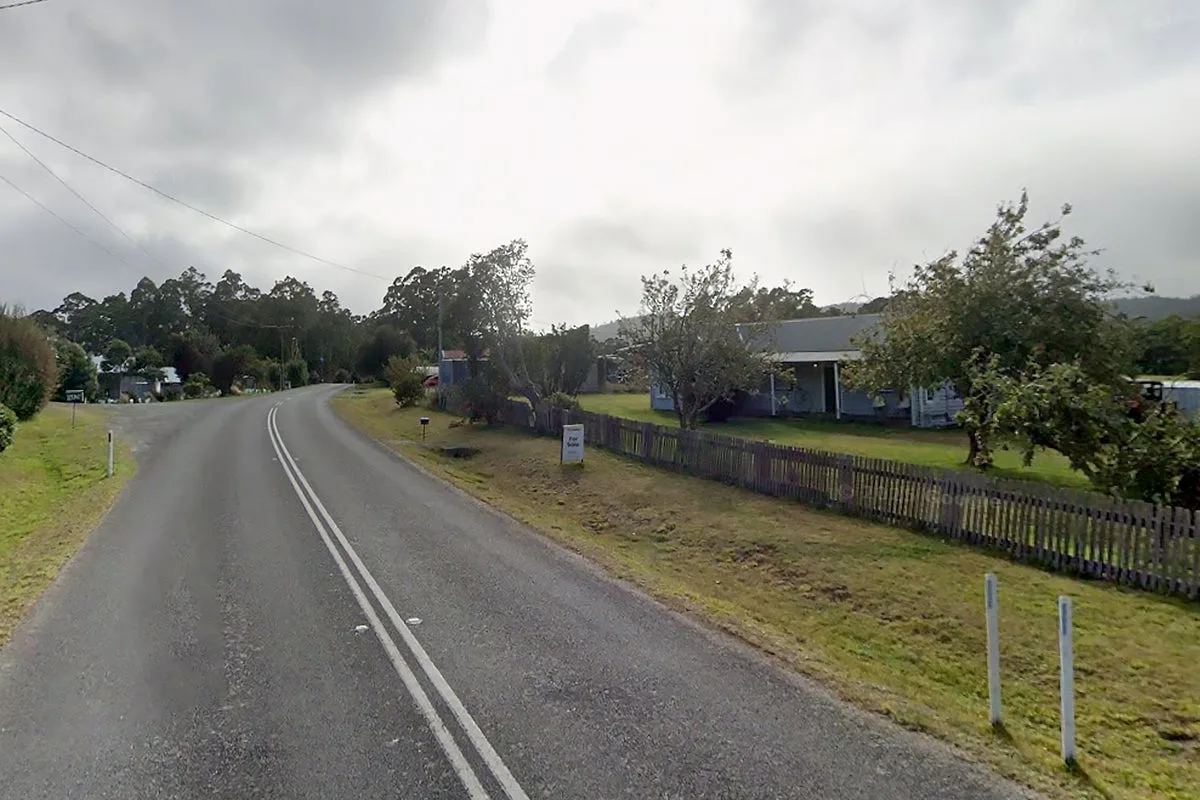
Weldborough is a small rural town in northeast Tasmania, approximately 110 kilometres from the state capital Hobart. There are no hot springs in or around this town, and no such attraction appears in Tourism Tasmania's official materials or local historical records.
Company Owner Admits AI "Messed Up Completely"
Scott Hennessy, owner of Australian Tours and Cruises – the New South Wales-based company that operates Tasmania Tours – told ABC News: "Our AI has messed up completely," while emphasising they had no intention to mislead customers.
"We are not a scam, we are a married couple trying to do the right thing by people. We are legit, we are real people, we employ sales staff," Hennessy stated, explaining the company's position.
Content Creation Challenges for Small Businesses
Hennessy revealed that the problematic article was created by a third-party contractor because the company lacked "enough horsepower" to populate their website themselves. While all posts were supposedly reviewed before publication, some were made live by mistake while Hennessy was overseas.
"We are trying to compete with the big boys, and part of that is you have got to keep your content refreshed and new all of the time," he explained, highlighting the pressure small tourism businesses face in maintaining online presence.
In addition to inventing the location, the blog used AI-generated images to illustrate the supposed hot springs, creating a completely fabricated visual representation of the non-existent attraction.
Local Businesses Field Unexpected Inquiries
After the article went live, local businesses like Kristy Probert's Weldborough Hotel began receiving inquiries from tourists searching for the mythical hot springs. The blog post contained no specific directions, leaving visitors confused and seeking local guidance.
"It started with a few calls in September," Probert told ABC Radio, "and then people began turning up in droves. We're in a very remote location so it was very random."
The Cold Reality of Weld River
Speaking to ABC Radio, Ms Probert clarified that the Weld River, which runs through the area, was "freezing cold" and "definitely not a hot spring." She noted the river was primarily used by fossickers searching for sapphires rather than by thermal bathers.
Despite the confusion, the AI-generated post brought an unexpected tourism boost to Weldborough. Probert now gently informs visitors about the truth when they inquire about the springs, maintaining a sense of humour about the situation.
"If you can find these hot springs, beers are on me," she told one group of 24 people who had taken a detour specifically to visit the springs. She noted they never returned to claim their reward.
Company Describes Experience as "Soul-Destroying"
Australian Tours and Cruises told CNN that the AI-generated post and the resulting damage to their reputation, along with online criticism they received, had been "absolutely soul-destroying."
"We are just trying to get on with our lives and put the whole thing behind us," the company stated, expressing their desire to move past the incident.
The incident serves as a cautionary tale about the potential pitfalls of relying on AI-generated content without sufficient human oversight, particularly in industries like tourism where accurate information directly impacts customer experiences and business reputations.