In a landmark moment for British media, YouTube has officially surpassed the BBC to become the most-watched video platform in the United Kingdom. New data from the official ratings agency Barb confirms the Google-owned service attracted a larger audience than all BBC channels combined in December 2025, ending the broadcaster's near-century of dominance in UK entertainment.
From Humble Beginnings to Unprecedented Dominance
The journey began with a simple 19-second clip titled "Me at the Zoo", uploaded by co-founder Jawed Karim on 14 February 2005. Fast forward two decades, and the platform now draws almost 52 million viewers in the UK across televisions, smartphones, and laptops. In contrast, the BBC's combined channels attracted 50.8 million viewers in the same month.
This milestone follows a report from media regulator Ofcom in July 2024, which found YouTube had already overtaken ITV to become the UK's second most-watched home service. According to TV critic Scott Bryan, the integration of YouTube into smart TVs has been a game-changer. "For years, YouTube and TV were very separate entities," he said. "Now smart TVs mean a lot of people, when they turn on a TV, go directly to YouTube."
More Than Viral Moments: The Evolution of Content
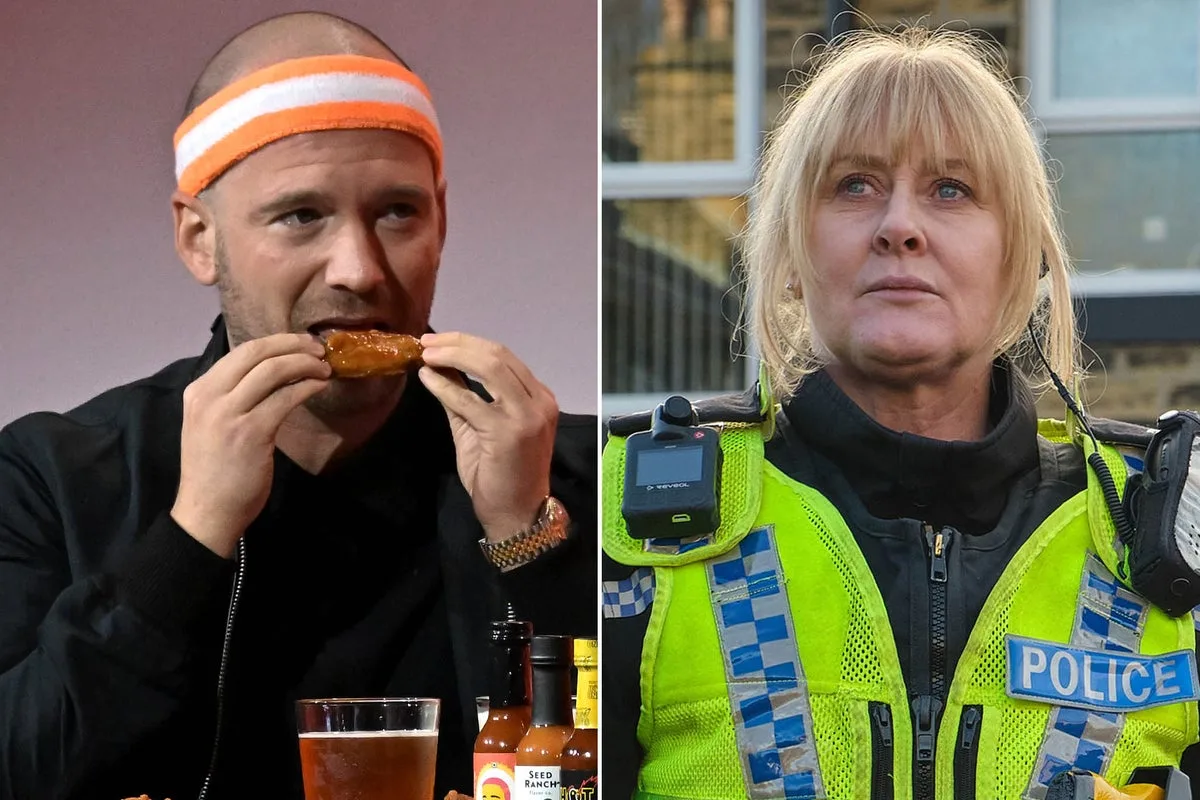
While early viral sensations like "Charlie Bit My Finger" (888 million views) and PSY's "Gangnam Style" (the first video to hit one billion views) defined its initial rise, YouTube's growth is now sustained by diverse, high-quality content. The platform has become a home for long-form programming, including popular interview series like Hot Ones and The Diary of a CEO.
Large-scale productions from creators such as MrBeast (460 million subscribers) and the UK's Sidemen are commonplace. Children's programming is also a major driver, with channels like Cocomelon, Blippi, and Ms Rachel commanding tens of millions of subscribers. This shift signifies YouTube's transformation from a short-form video site to a comprehensive entertainment hub.
An Existential Question for the BBC
The figures pose a significant challenge for the BBC, which is simultaneously grappling with a £1 billion shortfall from licence fee evasion and cancellations. In response, the broadcaster is changing its strategy. Kate Phillips, the BBC's Director of Content, stated the corporation is now committed to making YouTube-specific content, moving beyond its previous use of the platform merely for trailers and clips.
This pivot followed an Ofcom warning to public service broadcasters to create more content for YouTube or risk losing younger audiences permanently. Some analysts, like critic Phil Harrison, suggest collaboration is key. "I suspect the BBC should probably regard YouTube as less of a threat and more of a cohabitee," he said, advocating for a symbiotic relationship that could direct viewers to BBC iPlayer.
A Battle of Metrics and Mission
The BBC has questioned the comparison, noting that Barb's figures measure a three-minute audience reach, which favours short-form content. The broadcaster prefers a 15-minute measure, which it says reflects truly engaged audiences. By that metric, the BBC says it remained ahead in 2025, with an average monthly reach of 47 million compared to YouTube's 40.8 million.
A BBC spokesperson emphasised: "The UK watches significantly more BBC TV than that of any other provider... When we focus on reach, we look at a minimum of 15 minutes... and by that measure, the BBC continues to lead the way."
Despite the metric debate, the fundamental shift is undeniable. As Scott Bryan concludes, the BBC's core mission to "inform, educate and entertain" remains vital, but the challenge is "how can it stand out in an increasingly crowded market." The era of single-broadcaster dominance is over, and the future of UK viewing is fragmented, on-demand, and increasingly shaped by global platforms.