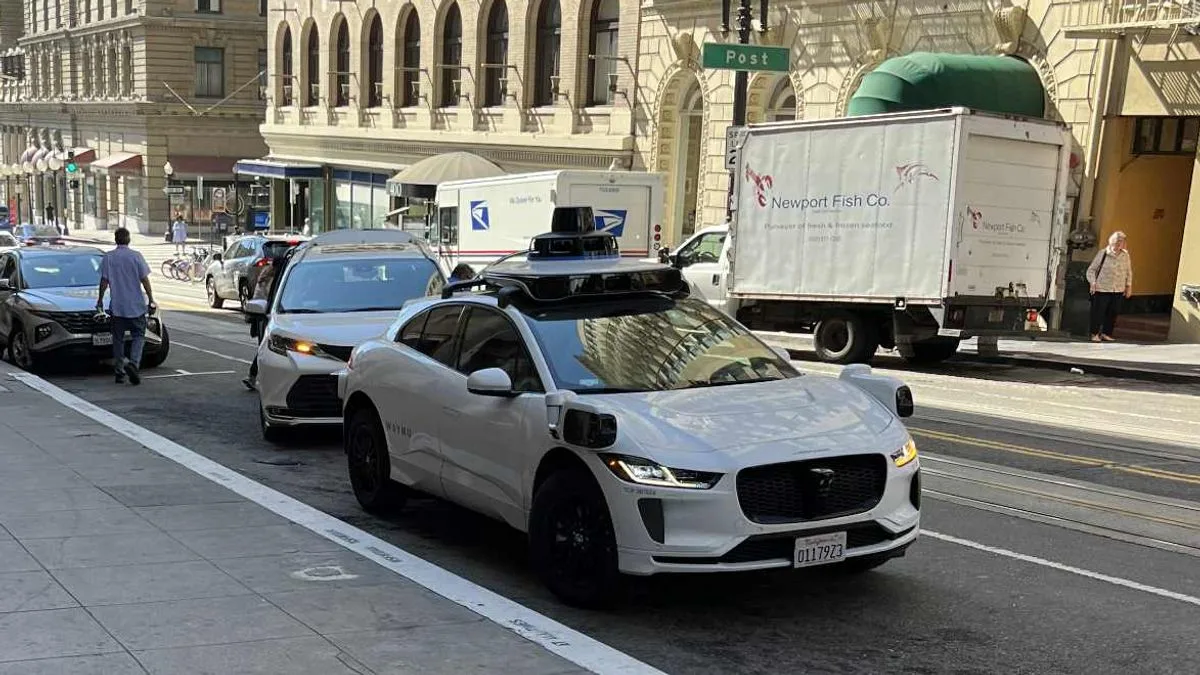
Waymo's distinctive driverless vehicles have been making appearances on the streets of London as the pioneering robotaxi company accelerates its plans to launch services in the United Kingdom. The firm, a subsidiary of Google's parent company Alphabet, is currently conducting extensive testing across the capital with a fleet of 24 specially equipped cars, marking a significant step towards its ambitious goal of establishing a commercial presence in the UK market.
Testing Phase and Expansion Timeline
At present, these autonomous taxis are being navigated through 19 different London boroughs by safety drivers who remain at the wheel during this initial phase. However, Waymo has outlined a clear progression towards full autonomy, with intentions to commence a comprehensive pilot scheme as early as April this year. The company is targeting a broader commercial rollout by the fourth quarter of 2026, a timeline recently confirmed by Ben Loewenstein, Waymo's head of EU and UK policy and government affairs, during a briefing in London.
Technical Capabilities and Urban Challenges
The white Jaguar vehicles, easily identifiable by their prominent mounted camera equipment, utilise an advanced array of sensor systems to perceive their surroundings. These include vision cameras, radar, microphones, and lidar technology—a remote sensing method employing laser pulses to create precise three-dimensional models of the environment. A powerful onboard computer processes this data in real time to determine the vehicle's actions.
Nevertheless, British roads present unique challenges that the technology must master. Roundabouts, zebra crossings, and the complex nuances of London's traffic patterns require sophisticated adaptation. For the past two months, drivers have been manually steering the cars through the city to help the system 'learn the nuances, learn about the zebra crossings,' as Mr Loewenstein explained. The vehicles have been observed navigating iconic locations such as Buckingham Palace and major shopping districts.
Regulatory Framework and Safety Considerations
The British government, keen to position the UK as a leader in autonomous vehicle technology, is developing a regulatory framework to facilitate safe deployment. Local Transport Minister Lilian Greenwood emphasised the government's support for Waymo and other operators through passenger pilots and pro-innovation regulations. She highlighted potential safety benefits, noting that automated vehicles 'don't get tired, don't get distracted, and don't drive under the influence,' while also stressing the necessity for strict standards against hacking and cyber threats.
Safety concerns remain a focal point, particularly following incidents in the United States where Waymo vehicles have been involved in controversies. These include illegally passing school buses and an unfortunate incident where a vehicle killed a cat in San Francisco. The company has implemented software updates to address some issues and maintains that its fleet is involved in 91 percent fewer crashes resulting in serious injuries compared to human drivers.
Market Context and Economic Potential
Waymo's expansion into the UK occurs amidst intensifying competition in the autonomous vehicle sector. Rivals include Uber-backed startup Wayve, which is expected to launch in London this year, Tesla with its robotaxi predictions, and Chinese company Baidu. The British government estimates that the self-driving vehicle industry could be worth up to £42 billion to the UK economy by 2035, potentially creating 38,000 jobs.
Once operational, customers will hail Waymo's driverless taxis through a dedicated mobile application, with pricing described as 'premium' but competitive, featuring dynamic rates during high-demand periods similar to existing ride-hailing services. Initially, airport drop-offs will not be available. The company's growth strategy benefits from full access to Google Maps data, and it currently provides over 250,000 fully autonomous trips weekly in Los Angeles, having reached 10 million lifetime trips in May.
As London prepares to become the first UK city to host this technology, with plans to expand to Manchester, Liverpool, Birmingham, and Edinburgh, the arrival of Waymo's driverless taxis represents a transformative moment for urban transport, blending cutting-edge innovation with complex regulatory and safety considerations.