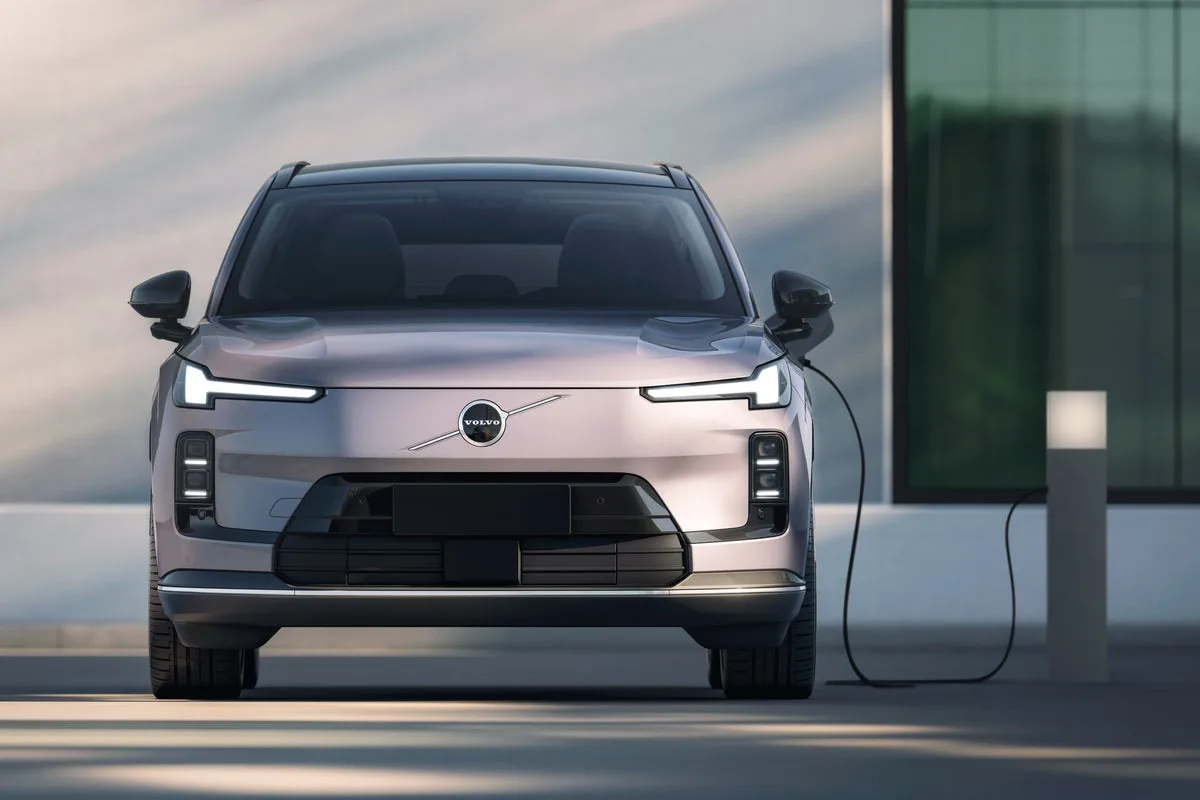
Volvo Confirms XC60 SUV Will Continue Alongside New EX60 Electric Model
Volvo XC60 to Continue as Plug-in Hybrid 'Bridge Solution'

Volvo Commits to Plug-in Hybrid Future as XC60 SUV Lives On

Volvo has made a significant announcement regarding its future vehicle strategy, confirming that more plug-in hybrid models are in development and that its best-selling XC60 SUV will continue to be available to customers. This decision comes despite the recent launch of the brand's all-electric EX60 model, which represents the company's latest step toward full electrification.

XC60 to Serve as 'Bridge Solution' for Transition Period

Speaking exclusively to The Independent at the EX60 launch event in Stockholm, Volvo CEO Hakan Samuelsson revealed that the XC60 will remain in production for the foreseeable future. The company plans to introduce a facelifted version of the popular SUV as part of this continuation strategy.

"We will improve it and it will stay on the market as a sort of bridge solution as long as it is needed," Samuelsson stated. "We are dogmatic about full speed with all electric cars; the new platform is the foundation for that. But we're less dogmatic in saying a date when we really will close down plug-in hybrid production and abandon our customers. So, if they still want the plug-ins, no problem."

Financial Advantages of New Electric Platform

The EX60's innovative SPA3 platform incorporates advanced technology that significantly reduces production costs compared to many competing all-electric vehicles. This development provides Volvo with substantial financial benefits and greater flexibility in its product offerings.

"We can now be very neutral because of our margin parity," Samuelsson explained. "So, if people want to go EX, no problem – it's the same margin for us. And if they stay with a plug-in hybrid, let them stay."

Collaboration with Geely for Future PHEV Development

Samuelsson confirmed that Volvo will work closely with its parent company Geely to develop next-generation plug-in hybrid models. This partnership approach reflects the practical realities of automotive development in today's market.

"We cannot develop something from scratch as it will be too expensive," he acknowledged, highlighting the economic rationale behind the collaboration.

When questioned about whether the XC60 would eventually be replaced by an entirely new plug-in hybrid model developed jointly with Geely, Samuelsson responded: "Even a bestseller needs to have some kind of improvement. So, let's see how that looks. But if you would do a new generation of that, it's likely we will combine it in some way with Geely, but I think it's too early to talk about it. Actually both 60 and 90 are really selling well right now and are surprisingly timeless, both in design and quality."

Evolution of Plug-in Hybrid Technology

Samuelsson offered insights into how Volvo envisions the future development of plug-in hybrid technology, particularly with Geely's assistance. The company has already demonstrated this approach with the China-only XC70 model, which serves as an indicator of what future PHEVs might look like.

"The plug-in hybrids are moving from being a totally conventional car where you put in some smaller batteries to have a better performance in a test cycle – I'm exaggerating a bit," he said. "That is of course not a very good way. So now we need to move into where the plug-in hybrid should be in an electric car, which has a backup engine when the batteries are flat. And that is the development we will see."

He continued: "This would of course be super costly to develop two parallel technologies – that's why we say we put everything on all-electric and then, in a smart way, we develop together second-generation plug-in hybrids where I think XC70 is an indication of what those second-generation cars would look like."

The XC70 model, which was co-developed with Geely and will be manufactured in China, represents this new approach to plug-in hybrid development. Volvo has indicated that this model could potentially be introduced to European markets at a later date, suggesting the company's plug-in hybrid strategy has both immediate and long-term components.

This dual-track approach allows Volvo to maintain its commitment to full electrification while continuing to serve customers who prefer or require plug-in hybrid vehicles during the transition period to fully electric transportation.