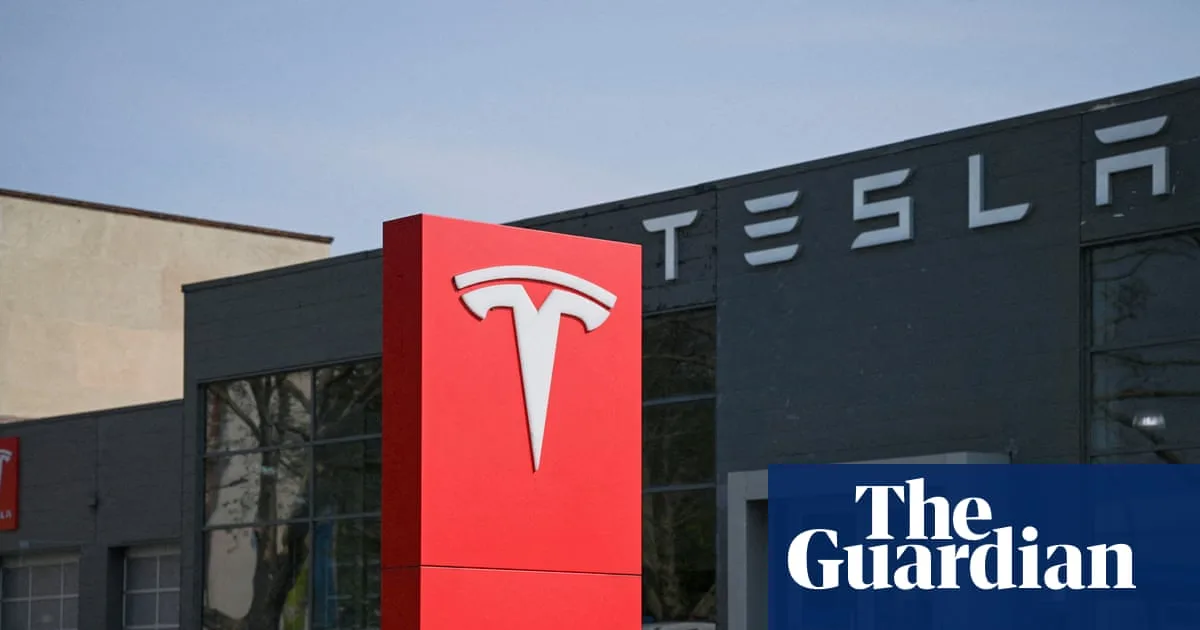
Tesla has reported mixed first-quarter financial results, with earnings slightly above expectations but revenue falling short. The company also announced it is discontinuing its flagship Model S and Model X vehicles as it pivots towards artificial intelligence, autonomous driving and robotics.
The electric carmaker posted earnings of 41 cents per share, exceeding Wall Street's estimate of 37 cents, but revenue of $22.39bn missed the forecast of $22.6bn. Free cashflow was positive, yet the stock initially rose over 3% before giving up gains after chief executive Elon Musk outlined plans for large capital expenditure this year.
In a notably subdued tone, Musk reiterated his vision that the company's Optimus humanoid robot and self-driving robotaxis would transform society. “There remains significant effort and hard work to realise our mission of Amazing Abundance,” the company said in its earnings report, while claiming demand for its vehicles is rebounding.
Tesla delivered approximately 358,000 vehicles globally in the first quarter, falling short of analyst projections. In the US, the Trump administration's decision to end a key tax credit for electric vehicles in 2025 has hit demand. The Cybertruck, its most recent model, has not proved a sales success, and the company is reportedly developing a smaller, cheaper electric car to compete with Chinese rivals such as BYD.
The pivot to AI and robotics comes as investor attention shifts towards Musk's rocket company SpaceX, which this month confidentially filed for an initial public offering seeking a $1.75tn valuation. Despite Musk's grandiose promises, Tesla's stock has fallen around 11% so far this year, and many questions remain about the timeline for its robotaxi and robotics projects.