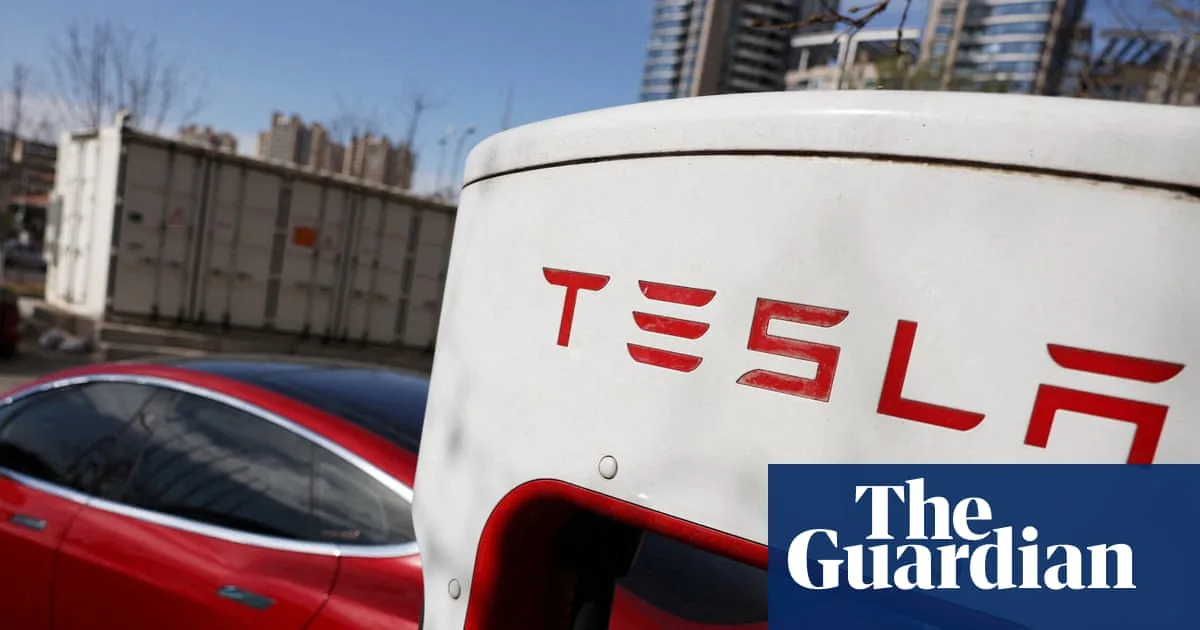
Tesla has announced it will discontinue its Model S saloon and Model X SUV, marking a decisive shift towards artificial intelligence and robotics. CEO Elon Musk confirmed the decision during the company's latest investor call, stating that production of the two models would be wound down next quarter. The Fremont, California factory currently assembling these vehicles will be retooled to produce Tesla's forthcoming Optimus robot.
The move comes as Tesla reported its first-ever annual decline in total revenue, down 3% year-on-year, alongside an 11% drop in automotive revenues. Despite these figures, the company beat Wall Street expectations with fourth-quarter earnings per share of $0.50, against a forecast of $0.45. Revenue reached $24.9bn, slightly above analyst estimates. Tesla's stock rose up to 4% in after-hours trading before paring gains.
Musk has positioned the Optimus robot and autonomous Robotaxis as the company's future, describing Optimus as “the biggest product of all time”. According to Tesla's earnings report, production of the robot is slated to begin before the end of 2026, with public sales expected in 2027. The company also revealed a $2bn investment into xAI, Musk's artificial intelligence venture, and set capital expenditure at $20bn, significantly higher than analyst predictions.
Tesla's pivot towards AI comes amid mounting challenges in its car business. The Cybertruck, launched with great fanfare, saw sales plummet by 48% last year. Meanwhile, Chinese rival BYD overtook Tesla as the world's largest electric carmaker in 2025, with sales growing 28% as it offered cheaper alternatives. Tesla's overall vehicle deliveries declined 16% year-on-year in the fourth quarter, hurt particularly by weak European demand.
The company described its past year as a “transition from a hardware-centric business to a physical AI company”. While its futuristic projects remain unproven and not yet profitable, they have allowed Musk to promise unparalleled future growth, helping to sustain investor enthusiasm amid declining car sales.