Inside the Unusual World of the Soviet Union's Beautiful and Mad Bus Stops
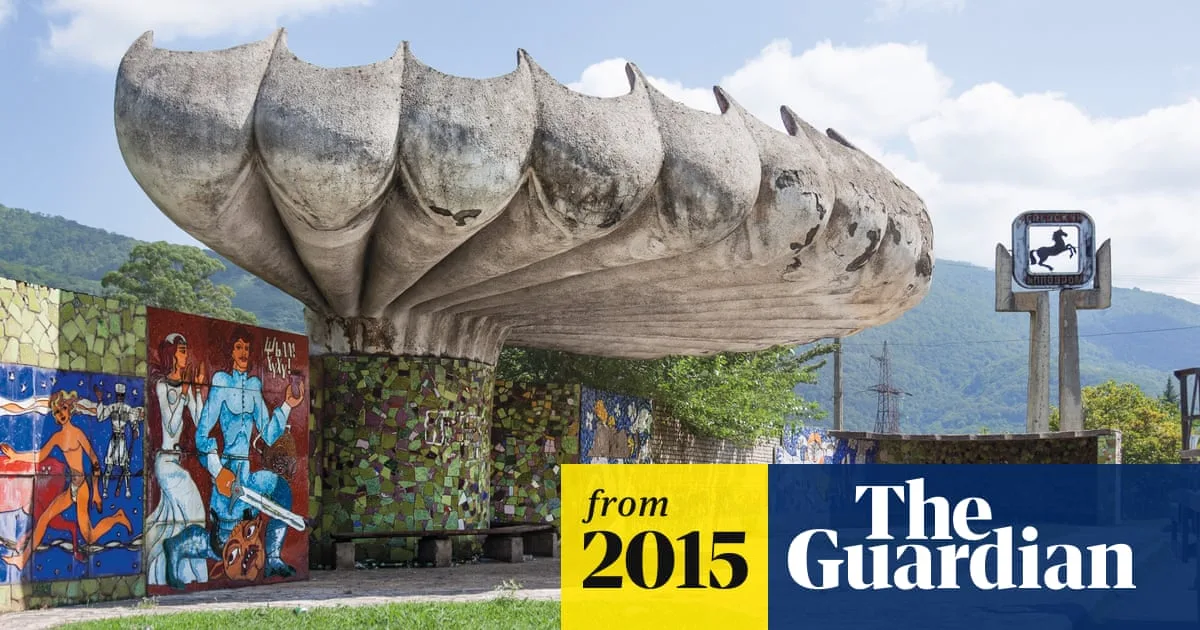
Across the rural landscapes of former Soviet Union countries, from Kazakhstan and Turkmenistan to Ukraine and Estonia, some of the world's most striking and strange bus stops are scattered, serving as a reminder of the Empire's public transport infrastructure thirty years after its collapse. These shelters, often adorned with intricate mosaics and unique designs, stand in stark contrast to the more utilitarian bus stops found in the UK, where creativity is typically limited to graffiti or a traffic cone on the roof.
A Journey into Moldova's Rich Bus Stop Heritage
Jonathan Reynolds, a writer for The Mirror, found himself enchanted by these unusual shelters during a recent trip to Moldova, Europe's poorest country with a population of 2.2 million. Inspired by the book Soviet Bus Stops Volume 1, which features a section on Moldova, Jonathan embarked on an early morning adventure into the countryside to discover as many bus stops as possible. He was not disappointed, encountering structures designed with remarkable creativity and care, often including intricate mosaic designs intended to provide shelter and comfort for local commuters.
One particularly striking bus stop in Moldova features large, intricately designed mosaic stars running along the wall beneath a ski-chalet style roof. Another example is a long, dry-stone wall with a corrugated roof overhanging a small bench, offering protection from the elements while echoing the style of contemporary British artist Andy Goldsworthy. These bus stops sparkle in the morning sun, showcasing a level of artistic flair rarely seen in public transport infrastructure elsewhere.
Christopher Herwig's Decades-Long Documentation
The creator of Soviet Bus Stops Volume 1 is Canadian photographer Christopher Herwig, who has spent years travelling over 30,000 kilometres by car, bike, bus, and taxi across fourteen former Soviet countries to document these unexpected treasures of modern art. Herwig began the project in 2002 during a trip from St Petersburg to Sweden, where he pledged to take a photo of something every hour, aiming to make ordinary things look cool or interesting.
When he reached the Baltic countries, Herwig started encountering bus stops that were much more individualist, unique, and minimalistic, describing them as beautiful pieces of architecture and design. Over the past two decades, he has returned to the Eastern Bloc multiple times to take more photos and unravel the history behind these curious structures. Herwig noted that these bus stops challenged his preconceived notions about the Soviet Union, which he had assumed was highly standardised and controlled, with little scope for freedom of expression.
The Architectural Freedom Behind Soviet Bus Stops
Herwig's research revealed that there was no evidence of a centralised plan from Moscow for these bus stops, but they were not discouraged either. Bus stops were classified as small architectural forms, which did not have the same stringent rules or necessity for ideological approval as other monuments or larger buildings. This allowed for regional and national pride to shine through, with designs often reflecting local traditions rather than communist ideals.
One of the key architects behind these bus stops was George Chakhava, whose unusual work decorates Georgia's Black Sea coast. Chakhava created some of the wildest bus stops, working with concrete and mosaics to explore animal themes such as octopuses, elephants, fish, and waves. However, his designs sometimes prioritised form over function, with one bus stop featuring a large concrete crown that offers no protection from the elements.
Regional Pride and Propaganda in Bus Stop Design
This intriguing tension between form and function is replicated in other countries, such as Kyrgyzstan, where a plump bird forms the main structure of a bus stop, but its wings are too small to offer any protection from wind or rain. Another example is a bus stop shaped like a large traditional hat, showcasing national pride. While many designs celebrate regional identity, some bus stops are blatantly propagandistic, featuring hammers and sickles to promote communist ideals.
Herwig met people who loved their bus stops, such as a group of Estonian factory workers who took great pride in designing their own shelter. However, others viewed them as eyesores, with some locals using them as bathrooms or dumping grounds for rubbish. Herwig has even been approached by people questioning why he would photograph such yucky scenes, highlighting the mixed perceptions of these architectural relics.
Copies of Christopher Herwig's book are available online, and his Instagram page, herwig_photo, offers further glimpses into this fascinating world of Soviet bus stops, preserving a unique slice of architectural history for future generations to appreciate.