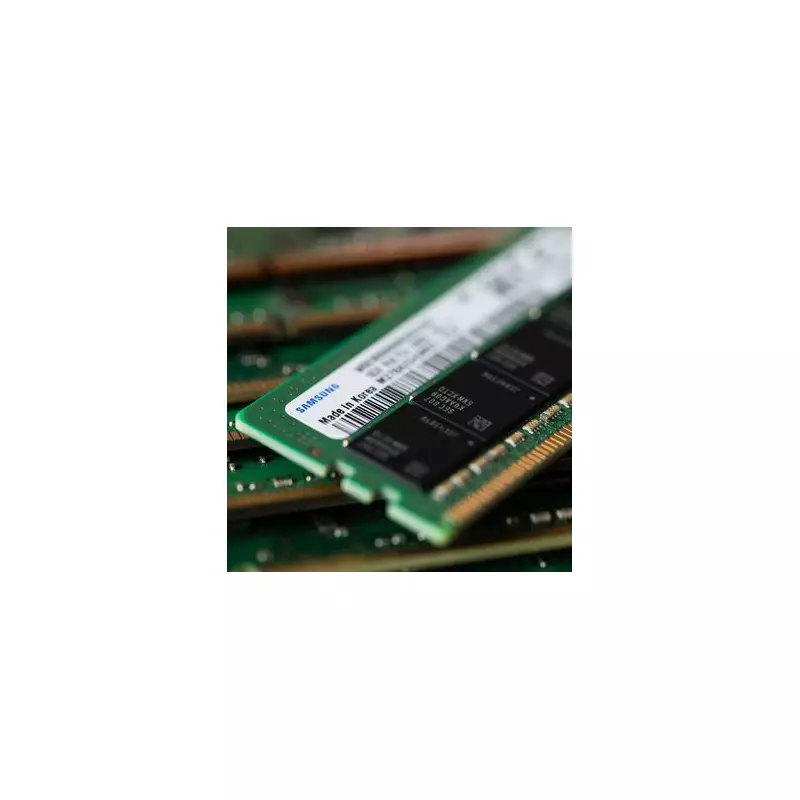
Hold on to your wallets if you are planning any tech upgrades in the near future. A leading technology researcher has issued a stark warning that there is effectively no limit to how expensive RAM could become in 2026, with prices already on a steep upward trajectory.
Why RAM Prices Are Set to Soar
RAM, or Random Access Memory, is a critical hardware component found in a vast array of modern devices. It is essential not only in consumer electronics like smartphones, laptops, and gaming consoles but also in products such as contemporary automobiles and smart televisions.
However, the latter part of 2025 witnessed a dramatic surge in RAM costs, with prices escalating by over 50% in certain instances. This sharp increase is primarily attributed to the explosive growth of artificial intelligence technologies.

The AI Demand Crunch
AI data centres, which power advanced systems like ChatGPT and Google's Gemini, require enormous quantities of high-performance RAM to function effectively. As major technology corporations aggressively purchase available supplies, the market is experiencing a severe squeeze. This scarcity has ignited intense bidding wars among companies vying for limited stock, driving prices ever higher.
According to MS Hwang, a research director at Counterpoint Research, this situation means there is no ceiling on potential price increases for both manufacturers and end consumers. In an interview with the Wall Street Journal, Hwang elaborated that the three dominant RAM manufacturers—Samsung, Micron, and SK Hynix—have already sold out their production capacity for 2026, 2027, and 2028.
Supply Struggles and Future Projections
These key players, who produce the majority of the world's RAM, are struggling to keep pace with unprecedented demand fuelled by the AI boom. Their existing factories are operating at maximum capacity, a scenario that was not fully anticipated. While new manufacturing facilities are under construction, they are not expected to alleviate supply constraints meaningfully until 2028 at the earliest.
Hwang forecasts that AI data centres will consume approximately 70% of the global allocation of high-end memory chips in 2026. With these chips being auctioned to the highest bidders, the resultant cost inflation is inevitably being passed down the chain to technology manufacturers, who then transfer these additional expenses to consumers.
Impact on Consumer Markets
The ramifications for the consumer electronics market are becoming increasingly apparent. Reports from the Wall Street Journal suggest that smartphone sales could decline by up to 5% in 2026, with PC sales projected to fall by around 9% as higher component costs translate into more expensive end products.
The gaming console sector has yet to see significant price adjustments, but analysts anticipate increases soon. The forthcoming Nintendo Switch 2 is speculated to be among the first devices affected by these component cost pressures.
Current Market Realities
The PC market is already feeling the impact. For instance, a 32GB RAM kit from Corsair that was priced at £41.99 in November 2024 is now retailing for £198.99—representing a staggering 374% price increase.
Graphics card manufacturers are also encountering difficulties. Industry reports indicate that Nvidia might consider resuming production of previously discontinued card models to meet consumer demand, rather than focusing solely on newer, more advanced offerings.
In summary, for anyone considering upgrading their personal technology—be it a computer, smartphone, or gaming system—the next few years are likely to present a challenging and expensive landscape. The confluence of AI-driven demand and constrained supply lines suggests that significant relief for consumers may not arrive until the end of the decade.