Top 14 Fastest Charging Electric Cars Tested in 2026
While electric vehicle range often dominates headlines, charging speed is equally critical, especially for long-distance travel. The difference between a standard 400V EV and a cutting-edge 800V model can transform a quick service station break into a lengthy meal stop. The fastest charging electric cars can add hundreds of miles of range in as little as 18 minutes, revolutionizing the driving experience.
Charging speed depends on multiple factors including battery level, weather conditions, and the type of rapid or ultra-rapid charge point available. Although newer 800V charging infrastructure is gradually being deployed across the UK, the 400V system remains more prevalent currently. This distinction primarily affects certain EVs on our list, but will become less significant as 800V chargers become more widely accessible.
Even within the 400V category, substantial variation exists in how quickly an electric vehicle can recharge. Peak charging speed is influenced by everything from battery temperature to current state of charge. However, the definitive benchmark remains a car's maximum DC charge rate. To provide clear guidance, we've ranked the fastest charging EVs currently available based on this crucial metric.

How We Conducted Our Testing
Our comprehensive evaluation involved driving hundreds of electric vehicles to deliver authentic, honest assessments. Our real-world testing protocol includes both long-distance journeys and urban driving scenarios. We rigorously examined each vehicle's capabilities, testing essential features such as boot space, practicality, range, charging speeds, and overall performance.
Fastest Charging Electric Cars in 2026
- Lotus Emeya – £84,990
- BMW iX3 – £58,755
- MG IM5 – £39,450
- Lotus Eletre – £84,990
- Audi e-tron GT – £108,775
- Porsche Taycan – £88,200
- Mercedes-Benz CLA – £45,615
- Audi Q6 e-tron – £61,240
- Maserati GranCabrio Folgore – £176,760
- Porsche Macan Electric – £71,200
- Hyundai Ioniq 5 – £39,900
- Kia EV6 – £45,585
- Polestar 3 – £69,910
- Volvo EX90 – £82,660
Leading Contenders: Detailed Analysis
Lotus Emeya currently holds the title as the fastest-charging EV available in the UK. Utilizing an 800-volt system architecture, it can achieve an astonishing 400kW charging rate when connected to an equally powerful charger. The 102kWh battery can replenish from 10 to 80 percent in just 14 minutes, with a claimed maximum range of 379 miles. This four-door saloon, closely related to the taller Lotus Eletre SUV, represents a thoroughly contemporary high-performance electric vehicle that excels as a long-distance cruiser.
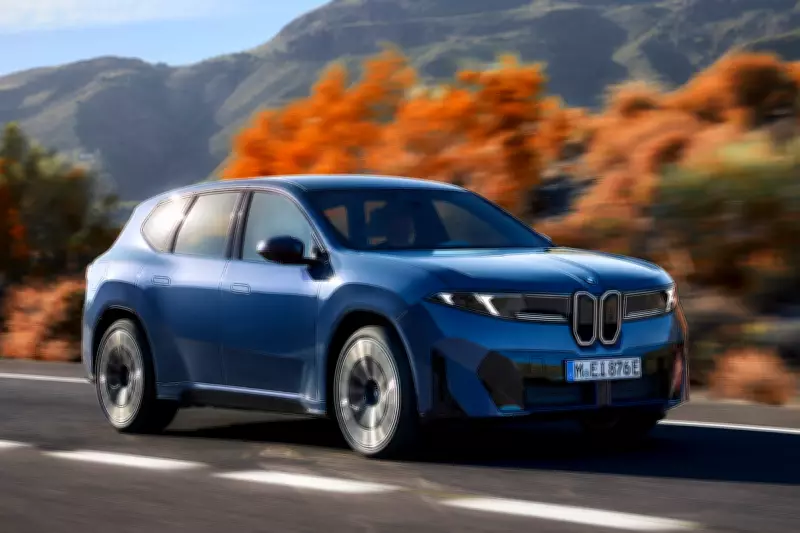
BMW iX3 marks a watershed moment for electric mobility, offering nearly 500 miles of range on a single charge. As the inaugural model from BMW's Neue Klasse vehicle family, it features innovative design elements including a refreshed front grille and Panoramic iDrive display technology. With a maximum charge rate matching the Lotus Emeya at 400kW, the iX3 can achieve a 10-80 percent charge in approximately 21 minutes.
MG IM5 emerges as the closest competitor to the Tesla Model 3 while simultaneously ranking among the fastest charging vehicles available. The version equipped with a 100kWh battery benefits from an 800-volt system capable of charging at up to 396kW, enabling a 10-80 percent charge in just 17 minutes. This spacious five-door hatchback combines impressive driving dynamics with superior build quality.

Understanding EV Charging Technology
Electric vehicle charging represents an inexact science influenced by numerous variables. Charging speed can be affected by temperature conditions, current battery state of charge, charger capability, and how many other vehicles are utilizing the same charging station. It's crucial to recognize that nearly empty batteries charge significantly faster than nearly full ones, which explains why manufacturers typically quote 10-80 percent charge times. To prolong battery health, charging from 80 to 100 percent should ideally be performed using slower AC chargers at home.
The distinction between 400-volt and 800-volt electrical architectures fundamentally impacts charging capabilities. While 400V systems remain more common and cost-effective to produce, 800V architectures offer superior charging speeds and greater efficiency through reduced heat loss and lighter components. Whereas 400V EVs typically charge between 100-250kW, 800V vehicles can achieve 300-400kW rates, with potential for even faster charging as technology advances.
Practical Charging Considerations
The fastest public chargers currently available in the UK operate at up to 480kW, theoretically delivering the quickest possible charge times for any EV sold nationally. Chargers capable of 400kW and above are classified as "hyper-rapid," while "ultra-rapid" chargers operating between 150-350kW are becoming increasingly widespread across the country.
To maximize charging efficiency, electric vehicles benefit from battery preconditioning as they approach charging stations. Many EVs automatically warm their batteries when using the vehicle's navigation system with a charger set as the destination. Using more powerful chargers accelerates charging, but only up to the vehicle's maximum capability.
Final Assessment
Ultimately, faster charging electric vehicles provide greater convenience than their slower-charging counterparts. However, for drivers prioritizing smaller battery sizes, charging speed per kilowatt becomes less critical. While 350-400kW charging speeds generate impressive headlines, most EV owners will find consistent 15-minute charging sessions satisfactory for their needs, regardless of journey plans or battery capacity.
It's important to remember that maximum charging speeds are typically achieved only briefly during the charging process. A nearly depleted battery might reach peak speed within seconds, but this rate diminishes as the battery approaches capacity. As technology progresses, future electric vehicles may achieve 10-80 percent charges in just 10 minutes, further transforming the EV ownership experience.