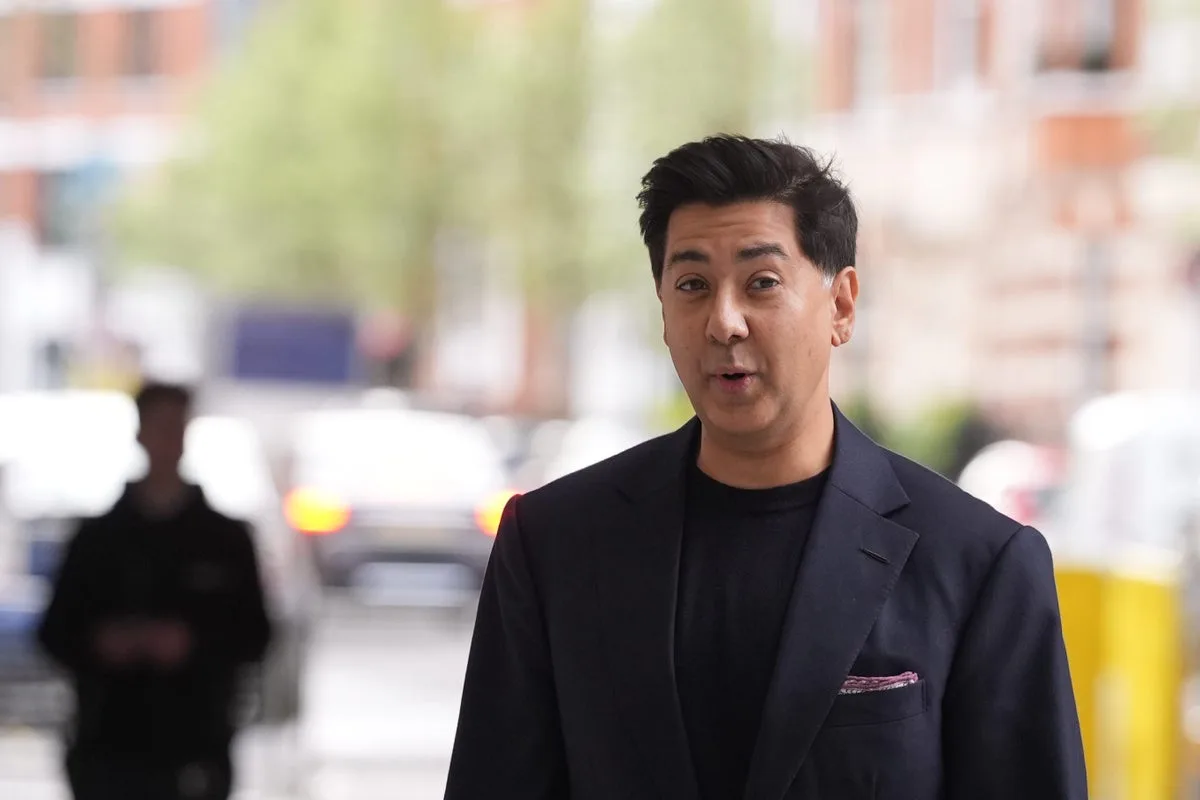
An anti-disinformation campaigner facing deportation from the US has called on British politicians to “question their consciences” about using Elon Musk’s X platform. Imran Ahmed, chief executive of the Centre for Countering Digital Hate (CCDH), was sanctioned by Donald Trump’s administration on Tuesday, with officials accusing him of trying to “censor” social media platforms such as X.
Speaking to the Press Association, Mr Ahmed said the sanctions were “actually a story about the corrupting influence of big tech and big money in Washington”. He described tech firms as “arrogant”, “indifferent to the harm they cause” and “sociopathic in their greed”. Asked whether UK politicians should continue to use X, he said: “Every time they post on X, they are putting a buck in Mr Musk’s pocket and I think they need to question their own consciences.”
Mr Ahmed, a former Labour adviser, has previously clashed with Mr Musk, who unsuccessfully sued CCDH last year over claims of rising hate speech and disinformation on X. The campaigner noted that Mr Musk was “one of the first and most vociferous in celebrating” the sanctions. He said the case gave a chance to show that his advocacy is “both important and protected by the first amendment”.
As a green card holder, Mr Ahmed holds legal permanent residency in the US, where he lives with his American wife and child. The sanctions could lead to deportation, but he has secured a court order preventing his arrest or removal ahead of a hearing on December 29. His lawyer, Roberta Kaplan, said the temporary order showed the US government’s actions were “blatantly unconstitutional”.
Other Europeans hit with visa bans include Clare Melford of the UK-based Global Disinformation Index, former EU commissioner Thierry Breton, and German HateAid leaders Josephine Ballon and Anna-Lena von Hodenberg. US secretary of state Marco Rubio accused the group of leading “efforts to coerce American platforms to punish American viewpoints they oppose”.
A UK Government spokesperson said: “While every country has the right to set its own immigration and security policies, we believe in the importance of protecting freedom of speech and tackling disinformation.”