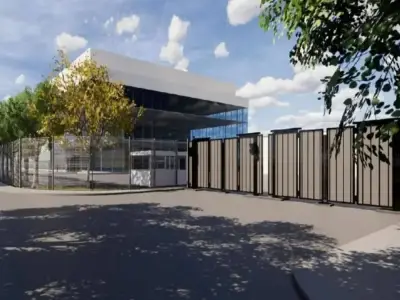
Global electricity demand from datacentres will more than double by 2030, driven primarily by artificial intelligence, according to a new report from the International Energy Agency. The agency forecasts that dedicated AI datacentres alone will see their energy consumption quadruple by the end of the decade, requiring almost as much electricity as Japan uses today.
In the United States, processing data for AI will consume more power than all energy-intensive manufacturing combined, including steel, cement and chemicals. One datacentre already uses as much electricity as 100,000 households, and some facilities under construction will need 20 times that amount.
Despite the surge, the IEA says fears that AI will derail climate targets are “overstated”. If used effectively, AI could make energy systems more efficient, help integrate renewable sources into power grids, and reduce overall greenhouse gas emissions. Fatih Birol, the IEA’s executive director, said: “AI is a tool, potentially an incredibly powerful one, but it is up to us – our societies, governments and companies – how we use it.”
However, the report warns that without strong government direction, the rapid growth of AI could reverse energy efficiency gains and lead to increased reliance on fossil fuels. In the US, demand may be met by gas plants or even coal-fired stations. AI datacentres also consume vast quantities of fresh water for cooling, posing risks to dry regions.
Claude Turmes, a former energy minister of Luxembourg, criticised the IEA for presenting an overly optimistic picture. He accused the agency of failing to give policymakers practical advice on regulating AI’s impact, and called the report “a welcome gift to the new Trump administration and the tech companies which sponsored this new US government”.