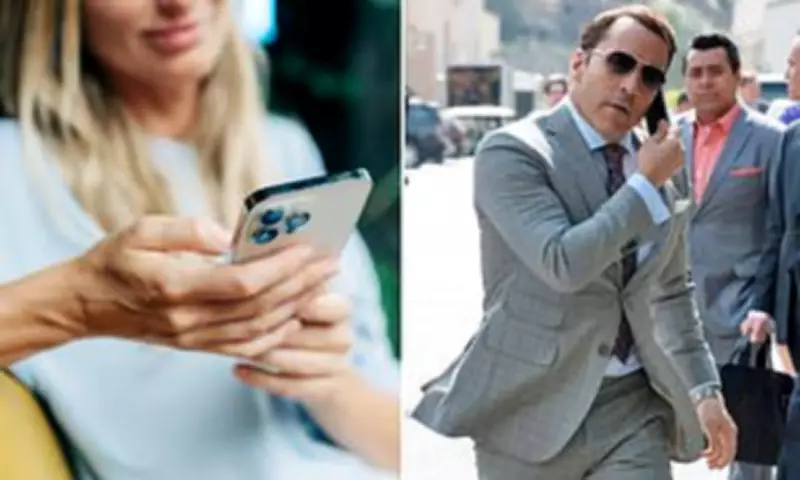
Apple's significantly expanded call-screening functionality, introduced with the iOS 26 update, is fundamentally altering how Americans utilise their smartphones and manage incoming communications. The innovative tool automatically requires unknown callers to verbally state both their name and the precise reason for their call before the recipient's device even begins to ring. This process, as extensively reported by the Wall Street Journal, has unexpectedly emerged as a notable point of friction and discussion within elite circles of Hollywood and the technology investment community.
The Modern Digital Gatekeeper
As the Wall Street Journal insightfully noted, Apple's widespread deployment of this feature has effectively transformed millions of iPhones into the contemporary digital equivalent of the traditional Hollywood gatekeeper. These were the personal assistants who meticulously guarded a celebrity's private telephone line, controlling all access. Today, that gatekeeping function is performed by sophisticated artificial intelligence, creating new social and professional dynamics.
Professional Annoyances and Social Friction
Prominent attorney Alan Jackson, whose distinguished client roster has included high-profile names such as Karen Read and Nick Reiner, revealed to the Journal that professional colleagues had begun commenting after unexpectedly encountering his iPhone's robotic screening system. In one particularly telling instance, a friend calling from a standard office landline was not recognised by Jackson's smartphone and was instead greeted by the automated prompt, causing confusion and minor annoyance.

This type of interaction has become increasingly commonplace. Publicist Elijah Harlow expressed that he finds the automated follow-up messages, such as the system informing callers that the user will return the call later, to feel impersonal and somewhat detached. Harlow suggested that receiving a simple text message would feel considerably more human and direct in comparison.
Silicon Valley's Mixed Reactions
Reactions across Silicon Valley and the broader technology investment sector have been decidedly mixed, reflecting a complex balance between convenience and communication etiquette. Venture capitalist Bradley Tusk told the WSJ that call screening personally irritates him when he encounters it on other people's phones. However, he explicitly stated he cannot fault individuals for using the technology, given what he described as the relentless, overwhelming flood of spam calls that professionals face daily.
'It's like, 'Well, you get spam all day, so how do you blame them?'' Tusk remarked, highlighting the defensive necessity driving adoption.
Some technology leaders have adopted even more stringent communication filters. Billionaire investor Mark Cuban confirmed he only answers telephone calls that have been pre-arranged or texted about in advance. Similarly, investor and podcast host Jason Calacanis revealed he rarely picks up calls from unknown numbers, starkly comparing cold-calling in 2026 to showing up unannounced at someone's private residence in the 1990s—a behaviour now considered intrusive and inappropriate.
The Driving Force: Spam Fatigue
The primary catalyst for the tool's rapid adoption is profound spam fatigue. Americans were receiving more than two billion robocalls per month, a deluge that pushed countless professionals toward Apple's screening tool or Google's comparable Pixel version simply to keep their devices functional and usable for genuine communication.
Ben Schaechter, founder of Vantage, reported he was completely overwhelmed by incessant sales calls until he discovered and activated the screening feature, which he said dramatically and positively improved his daily phone use and reduced stress.
A Generational Shift in Communication
The rollout coincides with and accelerates a broader generational shift in communication expectations. Younger users have reportedly adjusted their expectations significantly, increasingly treating traditional voice calls as a communication method of last resort. They are leaning much more heavily on asynchronous messaging platforms and scheduled video calls via FaceTime or similar services.

Even for formal business contacts, the new norm often involves sending a preliminary text message to schedule a call. Sam Lessin of Slow Ventures told the Wall Street Journal that this behavioural change is not about social status or signalling, but purely about convenience and reclaiming control in an era where unscheduled, surprise calls have come to feel genuinely intrusive and disruptive to daily workflow.
The Daily Mail has reached out to Apple for official comment on the social and professional impact of its widely adopted call-screening technology.