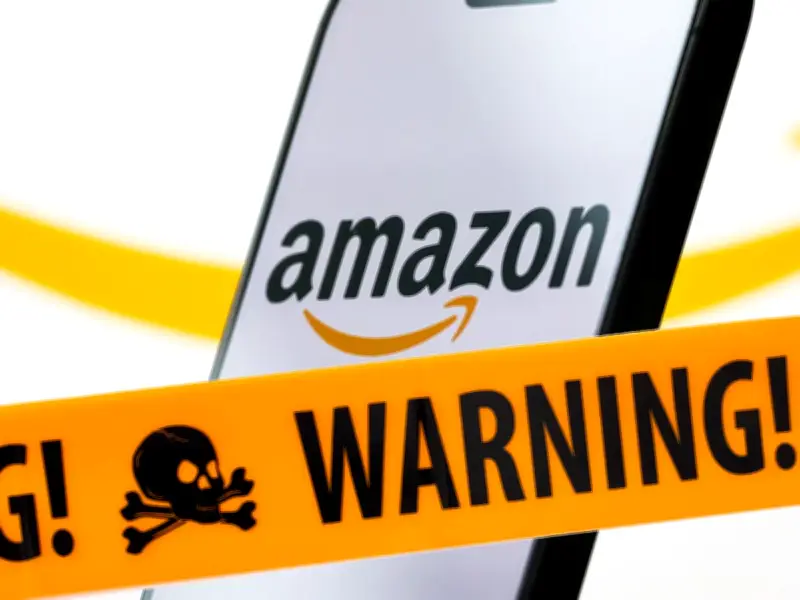
Amazon Prime users are being placed on high alert as a 5-day warning is issued ahead of the Prime Day sales event, which runs from June 23 to June 26. Cybercriminals are actively exploiting the high-pressure shopping environment, using fake offers, phishing emails, and imitation websites to steal personal and payment information. Security experts from Check Point have identified a surge in fraudulent activity, with 6,843 new Amazon-related web domains registered globally between December 2025 and May 2026.
New Domains and Malicious Activity
According to Check Point's security team, April 2026 saw the highest spike, with 1,446 new Amazon-themed domains created in a single month. This timing is particularly concerning because attackers can “age” malicious domains, making them appear more legitimate and helping them evade detection before Prime Day arrives. While most domains are safe, Check Point found that approximately one in every 11 newly created Amazon-themed domains was either classified as malicious or considered suspicious.
“Prime Day scams succeed because they mimic normal shopping behaviour so closely: familiar branding, convincing checkout pages, delivery alerts, and last-minute urgency,” Check Point said. The security company added: “The safest approach is not only to spot suspicious messages, but to slow the purchase journey down just enough to verify what is real before clicking, logging in, or paying.”
How to Avoid Scams During Prime Day
To enjoy Prime Day without falling victim to fraud, shoppers are advised to follow several simple steps. First, carefully check any website address before entering details. Scammers often create fake pages that look almost identical to Amazon’s real site. “Many fraudulent domains closely imitate Amazon’s real URL. Look out for extra characters, hyphenated brand names, or unusual endings such as .top or .online,” Check Point warned.
Shoppers should also avoid clicking links sent through emails, text messages, or social media posts. Instead, visit Amazon directly by typing the website address yourself. Other warning signs include deals that seem unrealistically cheap, messages claiming you are owed a refund, or alerts saying an offer is about to expire. These tactics are commonly used to create urgency and push people into making rushed decisions.
Fake Account Suspension Warnings
Fake warnings about Prime accounts being suspended are another common scam method. If you receive a message claiming your account will be closed unless you act immediately, it is best to verify the information directly through Amazon’s official website. By following these precautions, shoppers can enjoy Prime Day without falling into a scammer’s trap.
Prime Day runs from June 23 until Friday, June 26, with Express.co.uk covering the biggest deals and offers throughout the event.