The Independent's journalism is supported by our readers. When you purchase through links on our site, we may earn commission. Why trust us?
Amazon Pulls Plug on Fire TV Blaster: What It Means for Smart Home Ownership
Amazon is officially discontinuing support for the Fire TV Blaster, a relatively obscure accessory that once bridged the gap between older television technology and modern smart home ecosystems. The retail giant has confirmed that the device will cease to function after 31 January, serving as a stark reminder that consumers often don't truly own the connected hardware they purchase.
The Niche Gadget That's Being Axed
Launched in 2019, the Fire TV Blaster was designed as a specific solution for a transitional period in home entertainment technology. Unlike streaming sticks, this infrared emitter allowed users to control older TVs and soundbars lacking modern HDMI-CEC connections through voice commands via Echo speakers. It essentially served as a bridge between legacy equipment and the smart home revolution.
An Amazon spokesperson explained to The Independent that the device was created to address a specific technological gap that has since been closed by wider adoption of HDMI-CEC technology. The functionality originally provided by the standalone Blaster has now been integrated into the more popular Fire TV Cube, making the accessory redundant in today's market.
How the End of Life Process Works
Unlike typical end-of-life announcements where devices simply stop receiving updates but continue functioning, Amazon is taking a more definitive approach with the Fire TV Blaster. The company plans to remotely disable the device's core functions, effectively transforming it from a useful gadget into electronic waste.
UK owners of the Fire TV Blaster will receive compensation in the form of a £34.99 gift card automatically applied to their Amazon accounts within 24 hours of the discontinuation. This amount represents the full original price of the device, though it does little to address the broader implications of connected hardware that can be remotely disabled by manufacturers.
The Broader Implications for Smart Home Tech
Amazon's decision to axe the Fire TV Blaster highlights a growing concern in the consumer electronics industry: the ephemeral nature of smart home ownership. When purchasing connected devices, consumers are essentially leasing functionality rather than acquiring permanent hardware. Manufacturers maintain control through software updates and server support, and can choose to withdraw that support at any time.
From a commercial perspective, Amazon's move makes financial sense. Maintaining software compatibility and security updates for niche, aging hardware creates ongoing overhead costs. As product ranges become increasingly complex, supporting every legacy device becomes economically challenging for manufacturers.
However, this practice raises important questions about consumer rights and electronic waste. A device that functions perfectly well today could become useless tomorrow through a simple software change initiated by the manufacturer. Amazon does encourage recycling of old technology through the UK's free recycling schemes, but this doesn't address the fundamental issue of planned obsolescence in connected devices.
What This Means for Fire TV Users
It's important to clarify that the Fire TV Blaster's discontinuation doesn't affect the more popular Fire TV streaming sticks. This was a specific accessory designed for a particular use case that has largely disappeared as television technology has advanced.
For the small number of users still relying on the Fire TV Blaster, or for those concerned about future-proofing their entertainment setups, Amazon offers several alternatives that incorporate similar functionality without the risk of imminent discontinuation.
Top Fire TV Alternatives Available Now
Fire TV Cube
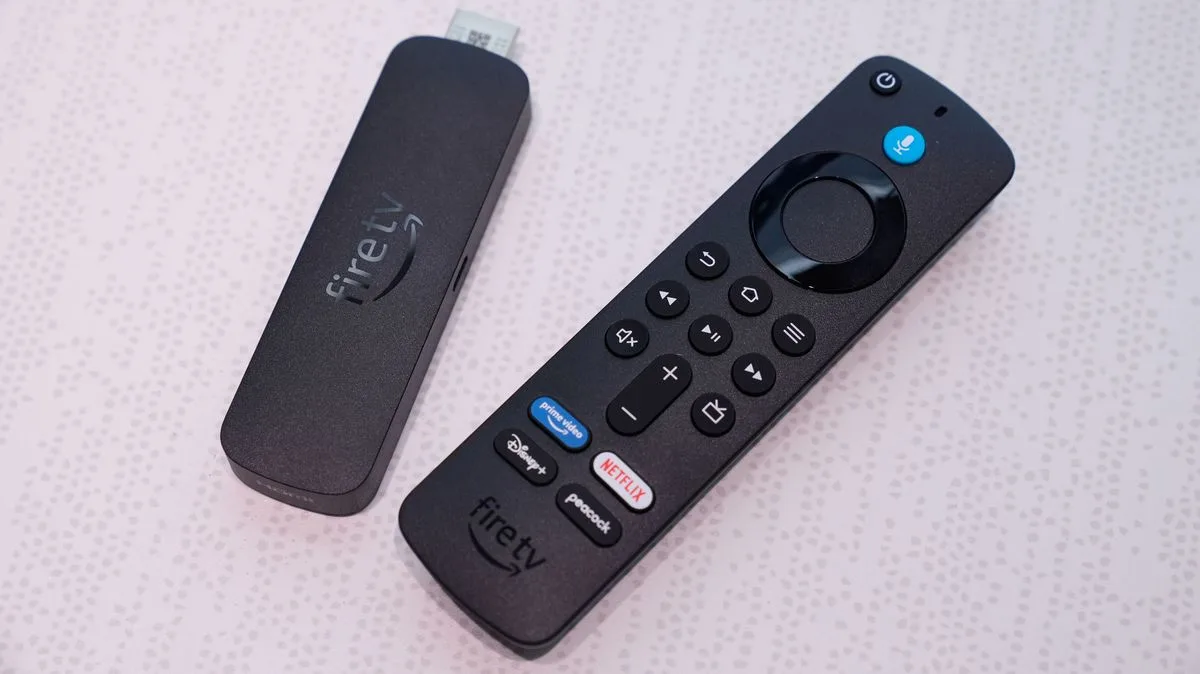
This device represents the natural successor to the Fire TV Blaster's functionality. The Fire TV Cube combines a high-end 4K streaming player with an integrated Echo Dot, featuring powerful infrared blasters built directly into the chassis. This allows it to control older TVs and soundbars using the same infrared technology as traditional remote controls, while also providing comprehensive streaming capabilities. As Amazon's most powerful streaming device, it offers hands-free operation and represents a significant upgrade from the discontinued Blaster.
Amazon Fire TV Stick 4K Max
For most consumers, the Fire TV Stick 4K Max represents the optimal balance of features and affordability. This streaming device transforms any television with an HDMI-CEC port into a fully functional smart TV, supporting Wi-Fi 6E for smoother streaming and offering Dolby Vision and Atmos for premium picture and sound quality. The included remote features television controls, potentially eliminating the need for infrared blasting entirely through HDMI-CEC integration. Tech experts have praised this model for its responsive interface and rapid loading times, making it an excellent choice for those seeking reliable streaming without unnecessary complexity.
The demise of the Fire TV Blaster serves as a cautionary tale for smart home enthusiasts. As technology continues to evolve at a rapid pace, consumers must consider not just the immediate functionality of their purchases, but also the long-term support and ownership implications of connected devices in an increasingly digital home environment.