UK Hospitality Firms Confront Cost Triple Blow Amid Economic Strain
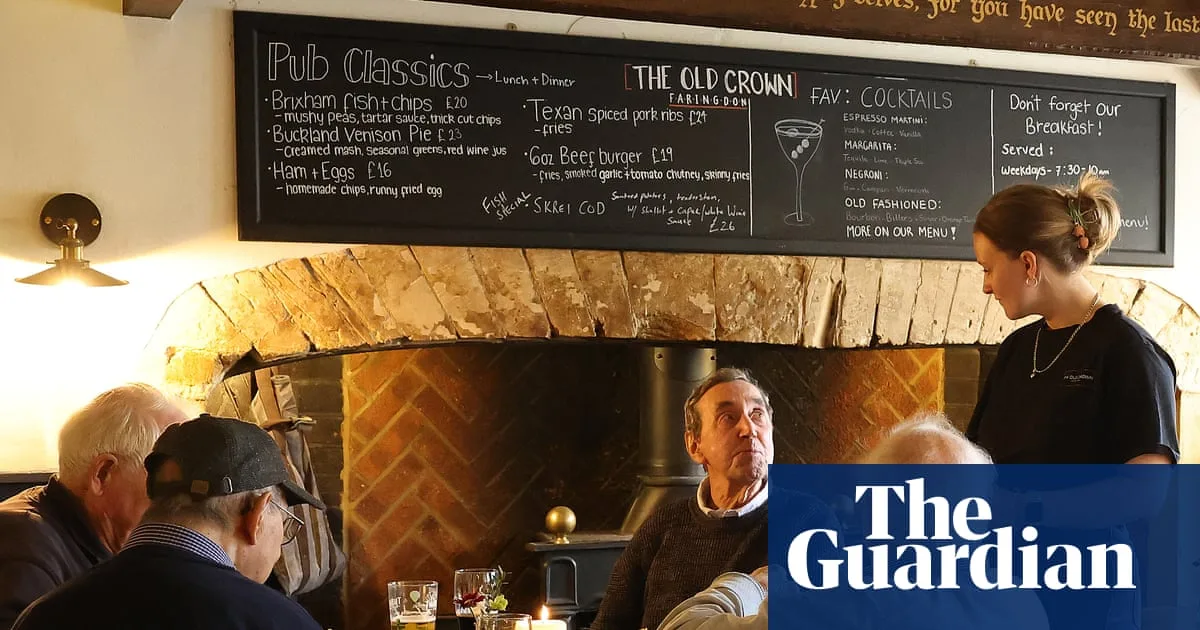
Nick Evans, a co-owner of the Old Crown Coaching Inn in Faringdon, Oxfordshire, is meticulously reviewing financial figures, striving to transform them into a profitable outcome. This historic pub and hotel, with its crooked wooden beams and cosy snugs, once hosted Oliver Cromwell in 1645 and now features a honeymoon suite in a room once used by the notorious "hanging judge" Lord Jeffreys. As a former City trader, Evans is well-acquainted with profit, but the hospitality sector has endured relentless challenges since the onset of the Covid-19 pandemic.
The Triple Whammy of Rising Costs
The latest setback for the industry is a triple blow of escalating expenses. The Old Crown is among thousands of hospitality businesses facing a punishing increase in costs due to a rise in the minimum wage and business rates, effective from the start of April. Additionally, the Iran crisis has triggered a surge in energy prices, with oil and gas remaining well above pre-war levels despite a recent two-week ceasefire announcement. This spike will drive up the cost of ingredients and heating for guests, while customers themselves are bracing for reduced disposable income, making them less inclined to splurge.
Evans remarks, "The only way you can make it work is to have a microwave, staff who can open a packet and put it on a plate. That’s not the reason we entered this industry," he says, exchanging a glance with his co-investor, Mike Webb, another City retiree. The duo purchased the business for £625,000 shortly after the pandemic and invested a similar sum to refurbish it into the charming establishment it is today. They own the freehold and also lease two other pubs from the brewing giant Greene King.
Financial Struggles and Investment Halt
At the Crown, plans to add six more rooms to reach a total of 20, at a cost of £350,000, have been shelved. Evans notes, "That would allow us to grow and would also create work for construction workers, carpet fitters and handymen from the area, who all pay tax." However, he adds that investment across the industry has stalled due to current conditions.
A handwritten accounting spreadsheet by Webb illustrates the financial strain. Annual revenue, including VAT, stands at about £1.4 million, up from £440,000 when they took over. Costs for drinks and ingredients total approximately £430,000 and are climbing, with beef prices for steaks and beer and wine costs soaring. To maintain a sustainable margin, the pub would need to charge prices that customers are unwilling to pay. Evans explains, "Diageo is about to put Guinness up, so the cost of a pint would need to be close to £8. We can’t increase our prices any more without people not coming in."
Additional annual costs include £20,000 for water bills, £100,000 for laundry, cleaning, and maintenance, and a similar amount for rent and insurance. The looming threat of surging energy bills adds to the pressure, with the Crown's annual gas and electricity bill at £80,000 and a contract renewal due in July. Evans warns of a potential rise of several thousand pounds annually if the Iran crisis persists.
Tax Burdens and Policy Impacts
Despite these challenges, the business manages a small trading profit, but this is before VAT of £234,000 is paid. UK hospitality firms face a higher VAT rate compared to European counterparts, a longstanding grievance in the sector. A further £45,000 in national insurance contributions pushes the business into the red.
Costs are rising across the board, often due to geopolitical factors beyond control, but two recent increases stem from government policies aimed at boosting tax revenue for public services and state support. The Crown's wage bill, currently £350,000, will jump to nearly £370,000 with the minimum wage hike, compounded by increased employers' national insurance contributions from the chancellor's 2024 budget, criticised as a tax on jobs.
Evans supports higher wages but cautions about the impact on young people and women. "You’re running the risk of pricing young people out of the market," he says, highlighting wage floor hikes for under-21s. He also argues that the national insurance change disincentivises hiring part-time workers, often mothers, calling it misogynistic.
Business Rates and Survival Fears
The sector-wide increase in business rates, effective from 1 April, adds another £24,000 bill for the Crown, as its 14 rooms classify it as a hotel, disqualifying it from a 15% discount available to pubs. This leaves no profit and rising costs as consumers cut back spending.
Evans expresses frustration, "We can’t sustain a business employing 20 people if we end up losing money. We’ll have to just say let’s go and live in Spain, we don’t need this shit any more." Kate Nicholls, chair of UK Hospitality, echoes this sentiment, noting that one in five businesses fear they may not survive the next 12 months. She states, "Our pubs, restaurants, cafes and hotels are unable to absorb any more cost, so hikes will simply be passed through to the consumer, driving inflation and hitting jobs. For some it will be the final nail in the coffin and they’ll have to shut for good."
For now, retirement to Spain is on hold at the Crown. Instead, Evans and Webb are contacting HMRC to negotiate a more lenient payment plan for their VAT bill. "It’s been a struggle," Evans admits. "It’s tough, tough, tough."