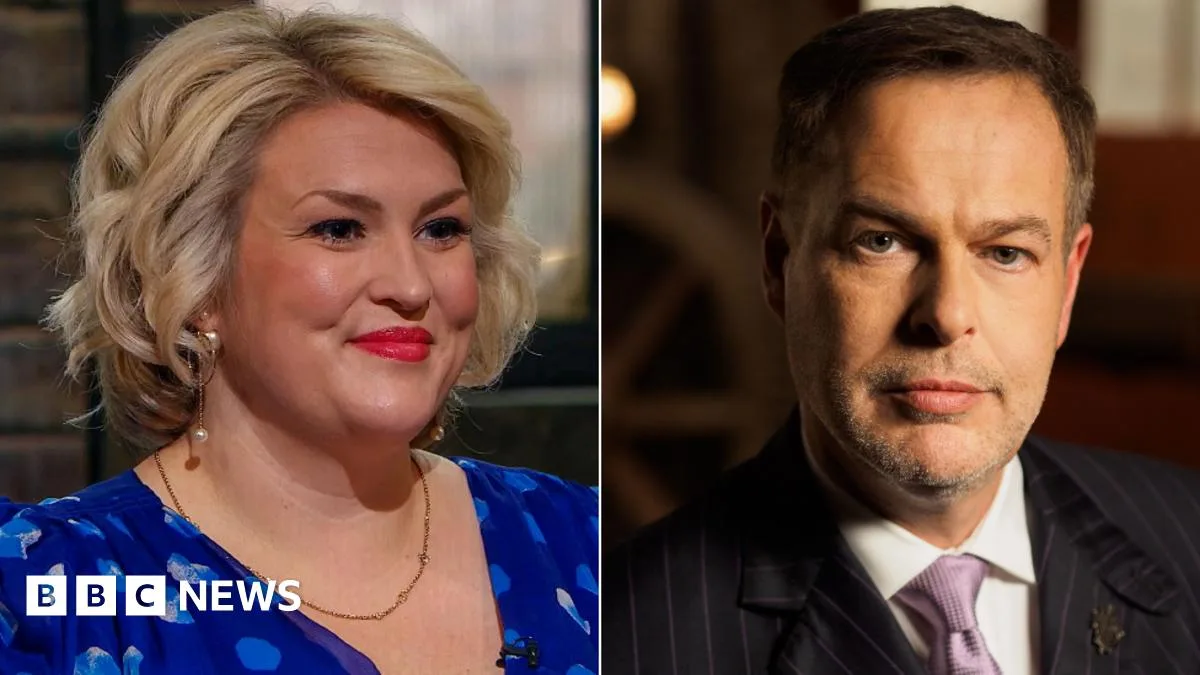
Dragons' Den, the long-running BBC series where entrepreneurs pitch for investment, has seen its share of successes and failures. Peter Jones, the only Dragon to appear since the first series in 2005, admits that great businesses sometimes slip through the net. He cites Tangle Teezer, a detangling hairbrush that has made its inventor over £100m, as a personal miss. 'I should've started to think about my real life, which is, I've got four daughters, they've all got long hair, what am I thinking?' he says.
However, Jones argues that some so-called misses are misjudged. He points to Trunki, the rideable children's suitcase, as an example where the valuation was too high at the time of pitching. 'Had we invested what he was asking at that point, the business wasn't even worth that many years later,' he explains.
The show's format, which originated in Japan as Tigers of Money, involves gruelling filming days. Sara Davies, a Dragon since 2019, says they aim to start at 10am and often finish after 9pm, with pitches lasting up to two hours. Despite the tension in the Den, the Dragons remain friendly off-camera, often having a brew and discussing the pitches or everyday topics.

One notable miss was Hungry House, an online takeaway ordering service pitched in 2007. A Dragon dismissed the idea, saying the public didn't turn to websites for takeaways. More than a decade later, Just Eat, Deliveroo, and Uber Eats have transformed the industry. Jones acknowledges that such mistakes happen, but stresses that the Dragons' decisions are based on the information available at the time.