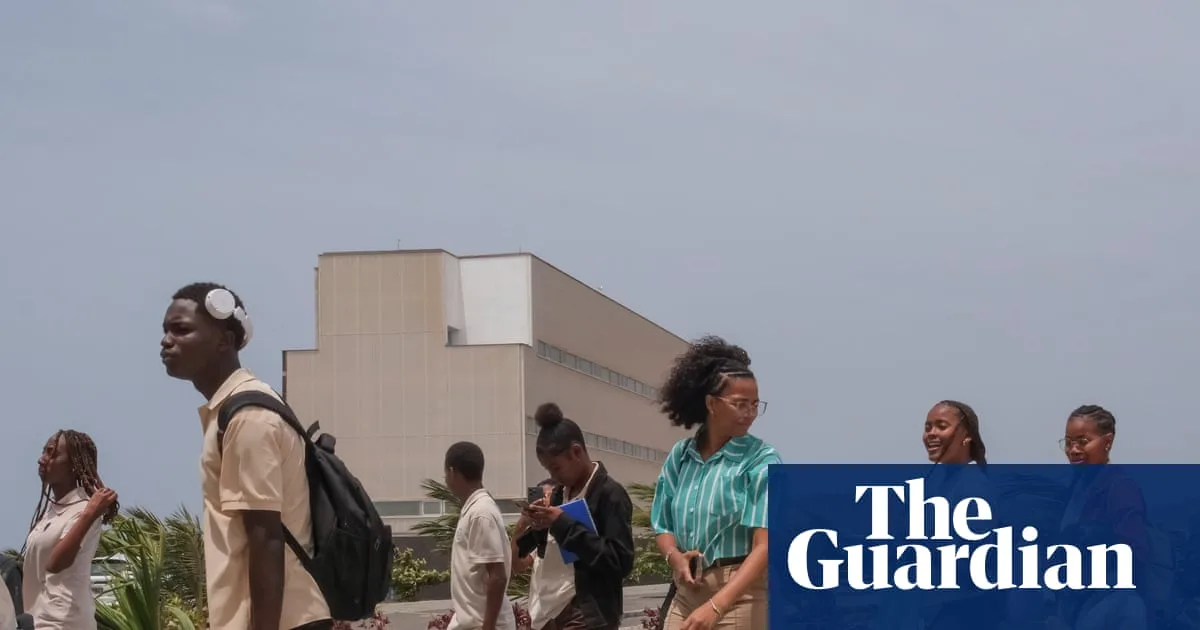
Cape Verde bets on tech to reverse postcolonial brain drain
Cape Verde bets on tech to reverse brain drain

Cape Verde, an archipelago off the coast of west Africa, is betting on technology to reverse its postcolonial brain drain and transform its economy. For centuries, the islands served as a hub for the international slave trade, but now the country aims to become a beacon for the free movement of human and financial capital across the African diaspora.

Digital Hub Ambitions

Pedro Fernandes Lopes, Cape Verde’s secretary of state for the digital economy, is a key figure in the drive to create a digital hub for west Africa, inspired partly by Estonia’s digitisation programme. The country had been developing digital governance services for Portuguese-speaking Africa for decades when the Covid-19 pandemic struck, causing tourism to plummet and accelerating government plans to diversify the economy through technology. In 2021, the digital economy ministry was created with the goal of making the sector account for a quarter of GDP by 2030.

Positive Indicators

The omens are positive. The ministry already provides public services for the approximately 529,000 residents across 10 islands, as well as a vast diaspora estimated to be three to four times larger. Internet penetration is 75% – double the African average. Schoolchildren are learning robotics and coding in shipping containers, and more undersea cables are being laid beneath the Atlantic.

Wide Pickt banner — collaborative shopping lists app for Telegram, phone mockup with grocery list

“The routes enslaved people were taken along from Africa are the same routes that the submarine cables pass along in the Atlantic, which is crazy,” Lopes said. “History repeats itself – but each generation has an opportunity to tell their own history.”

Reducing Emigration

The digital drive is central to reducing Cape Verde’s emigration rate, one of the world’s highest relative to population. Jessica Sanches Tavares, an adviser at TechParkCV, a £44.78m technology facility, returned to Cape Verde after being born in Paris to emigrant parents. “There is an energy, an ambition, a will to build, and it is really stimulating to be part of it,” she said. “There are still challenges but I think we are on the right trajectory.”

TechParkCV and Web Summit

TechParkCV, funded largely by a loan from the African Development Bank, includes an incubation centre for startups, a youth training centre, and a conference auditorium. In December, it will host the Web Summit for its first appearance on the continent. The facility has attracted about two dozen companies to its tax-incentivised special economic zone.

“Companies can develop their activities from Cape Verde, work remotely with clients worldwide and do it in conditions that are technically and economically competitive,” Tavares said. “All this does not function in a silo. The talents trained can then lean on the datacentre, install themselves in the business centre, or even launch their projects via the incubation centre.”

Challenges and Optimism

Barriers include poor air connectivity within Africa and reports that black Africans, particularly from Nigeria, face extra searches at Cape Verde’s airports. Some say startups are overreliant on government support, with up to 100 founders receiving salary funding and tech event attendance fully subsidised.

Lopes remains optimistic: “I’m sure that this generation doesn’t want to come back like their parents did when they are retired. If we change the idea that people leave the country and also tell bright minds to return, things will change. But we cannot just have the narrative. You have to walk the talk. And that’s what we are doing now.”

Pickt after-article banner — collaborative shopping lists app with family illustration