Walmart's Great Value Brand Gets Major Redesign After Decade-Long Hiatus
Walmart Redesigns Great Value Brand After 10 Years

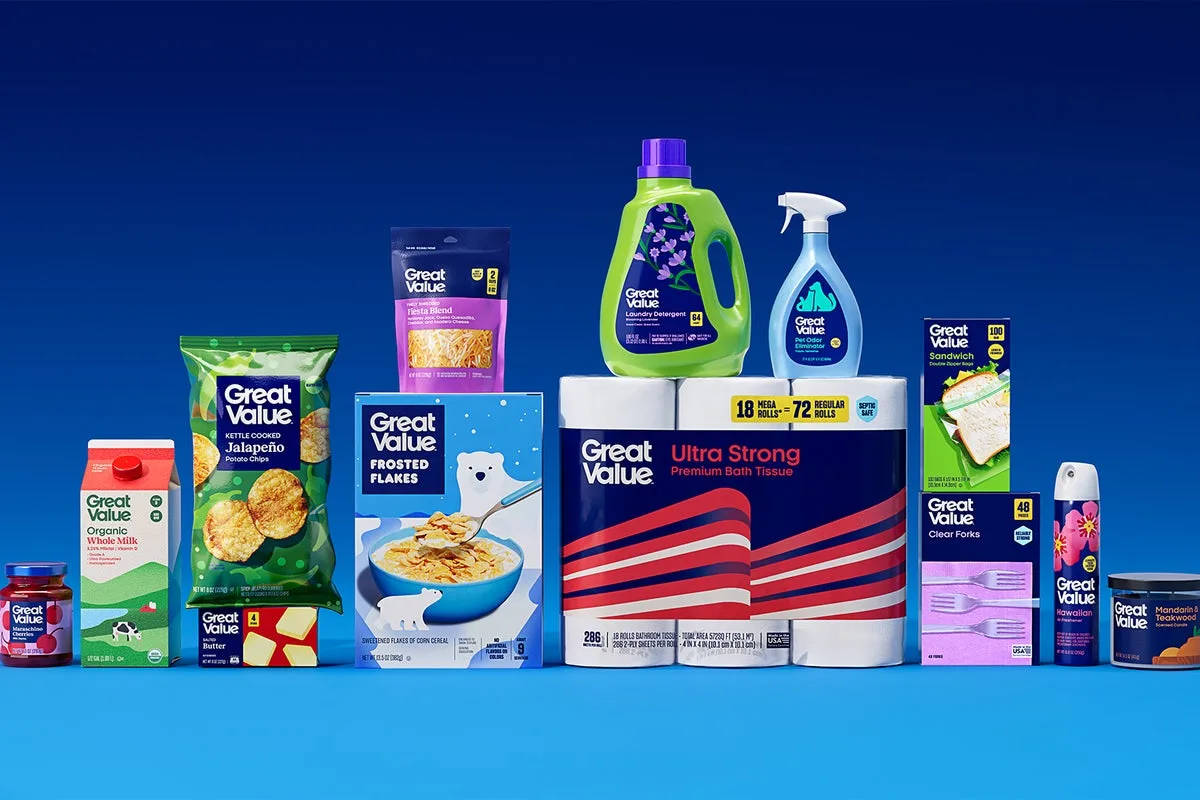
Walmart has announced a significant overhaul of its Great Value brand, marking the first major redesign in over ten years. This strategic move aims to modernize the appearance and functionality of the budget grocery line, both in physical stores and online, to better align with contemporary shopping behaviors.

Comprehensive Packaging Changes

The redesign will impact approximately 10,000 food and household products, with a phased rollout scheduled over the next two years. Walmart confirmed that updated packaging will debut initially on salty snack items, as detailed in a recent news release. The initiative focuses on enhancing clarity and visual appeal to cater to today's consumers.

Enhanced Readability and Consistency

A key objective of the revamp is to make product information more accessible at a glance. Walmart is redesigning packaging to highlight essential details, such as protein content, nutrition facts, and dietary labels like gluten-free, ensuring they are easier to locate quickly. Additionally, the company is standardizing the placement of nutritional information across all Great Value products, simplifying comparisons for shoppers.

Wide Pickt banner — collaborative shopping lists app for Telegram, phone mockup with grocery list

Bolder Visuals and Brighter Tones

Walmart is shifting away from the minimalist aesthetic that has long defined Great Value packaging. The new design incorporates bolder, more eye-catching food imagery and brighter color tones, moving from a plain look to a more vibrant and engaging presentation. This change aims to attract attention and improve the overall shopping experience.

Industry Context and Growth Trends

The timing of this redesign reflects broader shifts in the grocery industry. Store brands, including Great Value, are no longer viewed merely as cheaper alternatives to national labels but are now competing directly with them. This evolution is driven by ongoing price pressures and changing consumer perceptions.

Rising Popularity of Private Labels

According to Circana, a global market research firm, private-label sales reached approximately $330 billion in 2025, accounting for about a quarter of all grocery sales. The Private Label Manufacturers Association reports that store brands are growing significantly faster than national brands, with sales increasing by 3.3% to a record $282.8 billion in 2025, while name-brand items experienced weaker performance and declining unit sales.

Consumer Drivers and Demographics

Much of this growth is fueled by cost-conscious shoppers trading down to save money, alongside a growing belief that store brands offer comparable quality to national products. Younger consumers are accelerating this trend; research from Numerator indicates that Generation Z is adopting private-label products at higher rates and is projected to become the most loyal store-brand generation by mid-2026.

Strategic Importance for Walmart

Great Value continues to play a central role in Walmart's grocery business. Launched in 1993, the brand has evolved into the retailer's largest brand, according to Axios. This redesign underscores Walmart's commitment to staying competitive and responsive to market dynamics, ensuring Great Value remains a staple for budget-minded shoppers amid evolving retail landscapes.

Pickt after-article banner — collaborative shopping lists app with family illustration