Target Reports Biggest Sales Jump in Four Years Under New CEO
Target Sales Surge 5.6% Under New CEO Turnaround Plan

Target reported its largest jump in comparable sales in four years on Wednesday, marking an early success for its new CEO who embarked on an ambitious turnaround plan three months ago.

Strong Quarterly Performance

The retailer attributed the better-than-expected performance to increased customer purchases across all six of its primary merchandising categories. Comparable sales, encompassing both in-store and digital channels operational for at least a year, climbed 5.6% in the three-month period concluding May 2. This represents the largest increase since early 2022 and breaks a streak of three consecutive quarters of negative comparable sales.

Buoyed by the results, the retail chain has also elevated its annual revenue outlook, anticipating the positive momentum to persist throughout the remainder of the year. Investors reacted positively, with shares climbing 1.6% ahead of Wednesday's opening bell.

Wide Pickt banner — collaborative shopping lists app for Telegram, phone mockup with grocery list

CEO's Cautious Optimism

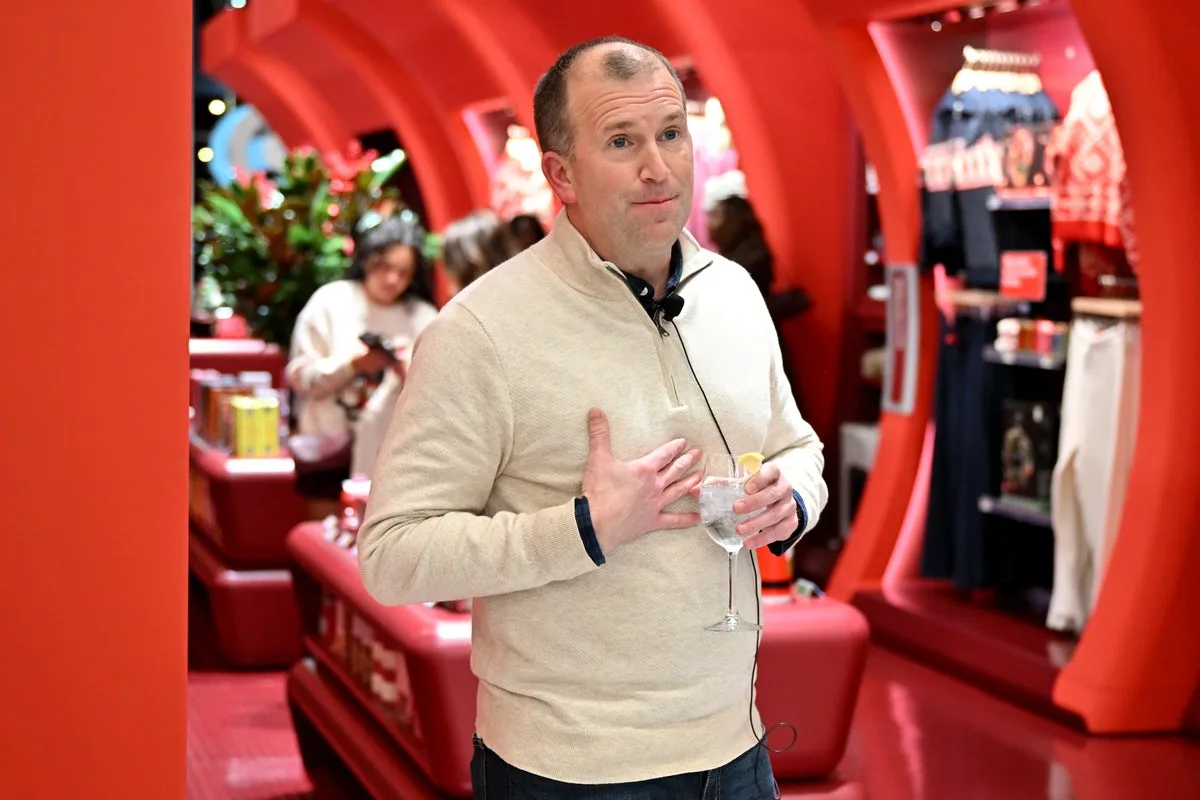
Michael Fiddelke, a 20-year company veteran who assumed the chief executive role in February amidst the retailer's struggles, expressed guarded optimism. "We're encouraged to see a strong guest response so far," Fiddelke told reporters on Tuesday, adding: "We're maintaining a cautious outlook given the work we know we have in front of us and ongoing uncertainty in the macroeconomic environment."

Turnaround Strategy

Fiddelke and other Target executives unveiled a $6 billion strategy to investors in early March, designed to reverse three years of sales declines. The plan focuses on store remodels, restoring the brand's reputation for stylish yet affordable clothing, and enhancing store staffing and worker training.

New collaborations with labels like Roller Rabbit, an apparel and home goods brand known for its whimsical, block-print designs, resonated with shoppers, company executives said. An expanded selection of toys costing under $10 also proved popular, according to Fiddelke.

Challenges Ahead

Target is one of the first major retailers to report financial results covering the February through April period. Analysts are keen to hear any comments from executives on whether consumers have changed their shopping habits due to surging gasoline prices fueled by the Iran war. However, the discount chain was struggling well before the war, losing ground to rival Walmart. Customers had complained of disheveled stores that lacked the fashionable yet affordable niche that earned Target the nickname "Tarzhay."

Fiddelke has been making changes to draw shoppers back. He reshuffled the leadership team, increased spending on store staffing, and made cuts at distribution facilities and regional offices. On Tuesday, Target named a former Walmart executive as its new head of supply chain to address unreliable stock on shelves.

The company has also focused on overhauling categories where it lost market share, including home goods and clothing. For instance, 75% of the company's decorative home accessories, including pillows and candles, will be new, the company said in early March.

Reputation and Controversies

Beyond its stores, Target's reputation took a hit in the last two years. The company's decision to roll back diversity, equity, and inclusion initiatives led to protests and boycotts. Target became a flashpoint again this year when Minneapolis, its headquarters city, became the center of an immigration crackdown. Local activists wanted the company to take a public stand against the Trump administration surging federal agents into the city, especially after two residents participating in protests were killed.

Fiddelke was one of 60 CEOs of Minnesota-based companies who, following a protester's death, signed an open letter in January "calling for an immediate de-escalation of tensions and for state, local and federal officials to work together to find real solutions." In early March, Fiddelke acknowledged in an interview with The Associated Press that boycotts impacted Target's sales. He said on Tuesday that the increased store traffic during the first quarter was broad-based across regions and types of customers.

Pickt after-article banner — collaborative shopping lists app with family illustration

Financial Results

Target posted first-quarter earnings of $781 million, or $1.71 per share, for the three-month period ended May 2. That compares with $1.04 billion, or $2.27 per share, in the year-ago period. Adjusted earnings were $1.71 per share. Net sales rose 6.7% to $25.44 billion.

Analysts were expecting $1.47 per share on sales of $24.7 billion, according to FactSet. For the full year, Target said it expected earnings per share to end up near the high end of $7.50 to $8.50, the guidance it offered in March. Analysts are expecting $8.12 per share for the year, according to FactSet. Target now expects net sales growth of 4% for the year, up from the previous forecast of 2%, bringing sales to $108.97 billion. Analysts project annual sales of $107.15 billion, according to FactSet.