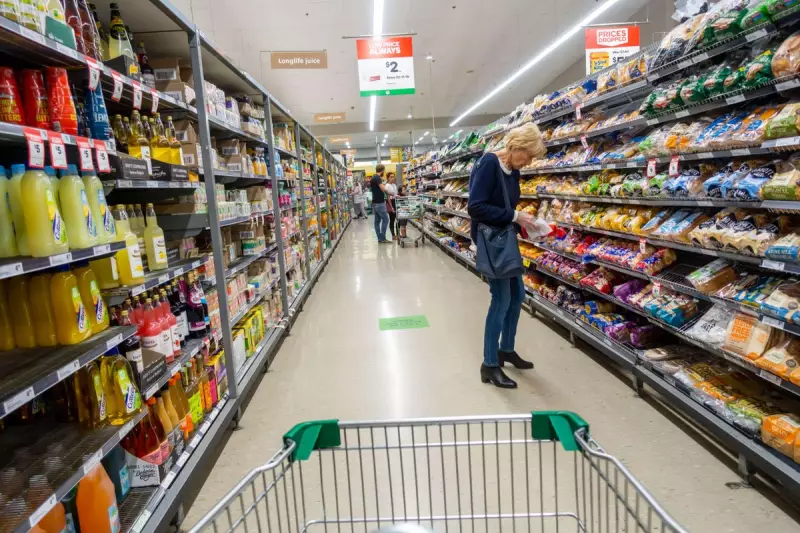
British shoppers are facing the prospect of higher grocery bills after the government confirmed a significant tax increase on major supermarkets in the Autumn Budget.
Budget Blow for Large Retailers
Chancellor Rachel Reeves has delivered what industry experts are calling a major blow to supermarket chains by introducing a new business rates 'surtax' targeting larger commercial properties. The measure, announced on Wednesday 26 November 2025, will specifically affect properties valued at £500,000 or more, forcing them to pay higher rates to fund permanent discounts for smaller retail, leisure and hospitality businesses.
This decision represents an apparent U-turn from earlier indications that supermarkets might be exempt from the higher tax level, following intense criticism from retail industry leaders. The Treasury claims the move is designed to "rebalance the business rates system" by shifting more of the tax burden onto larger operators, including online giants with massive warehouses, while providing relief to smaller high street businesses.

Industry Experts Warn of Consumer Impact
Retail analysts have voiced serious concerns about the knock-on effects for consumers already grappling with stubborn food inflation. Silvia Rindone, EY's retail expert, warned that these measures will "impact the retail landscape and influence consumer behaviour for years to come."
She explained: "The proposed tiered business rates system offers welcome relief for smaller retailers, helping to ease cost pressures at a time when margins are tight. However, the additional burden placed on larger operators could lead to more expensive food bills for consumers."
The timing is particularly challenging for supermarkets, coming against a backdrop of earlier cost hikes this year and already elevated food inflation. Erin Brookes, European retail and consumer lead at Alvarez & Marsal, cautioned that supermarkets might respond by scaling back store expansion plans and investments in modernisation.
Mixed Reactions Across the Retail Sector
While the government emphasises that the permanently lower tax rates will benefit over 750,000 smaller properties with nearly £900 million in annual relief, the response from smaller retailers has been surprisingly critical.
The Association of Convenience Stores (ACS) described the changes as a "major disappointment," arguing that the new rates multiplier fails to offset the removal of pandemic-era relief. James Lowman, ACS chief executive, stated: "Small shops will see their rates bills increase in April, and many will see further increases as a result of the revaluation."
This Budget decision places additional pressure on supermarket chains already facing rising labour costs from the increased living wage and higher National Insurance contributions. With retail margins already slim, industry observers fear that consumers will ultimately bear the cost through higher prices at the checkout.