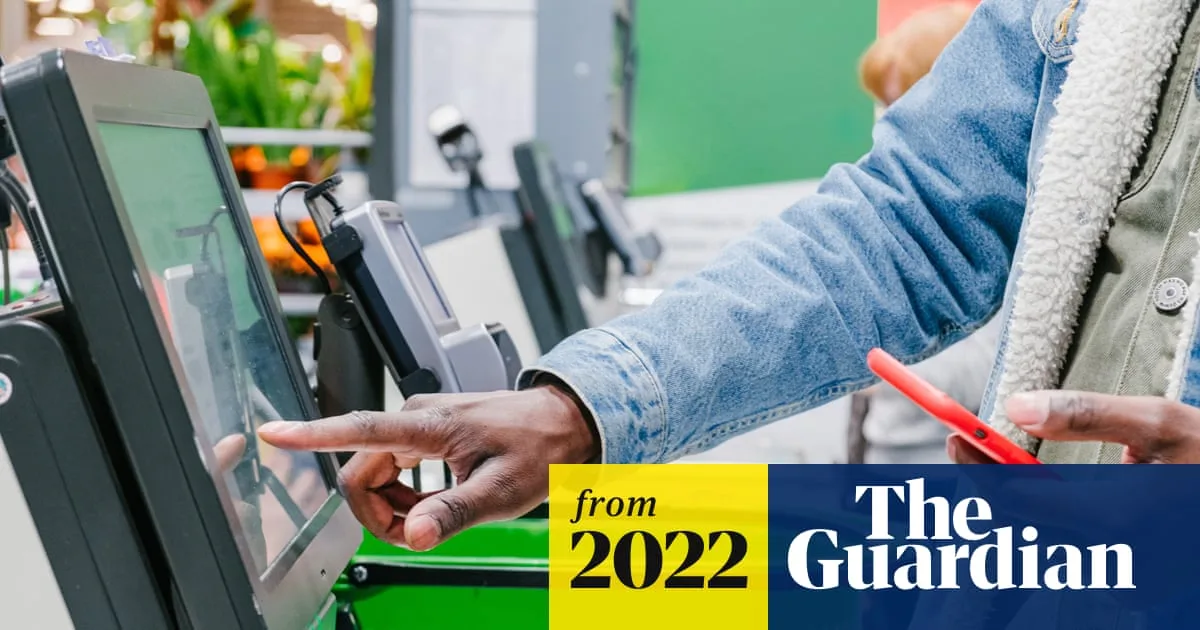
When self-checkout kiosks first appeared in US stores over three decades ago, they were hailed as a solution to cut costs, save time, and reduce theft. However, these machines have largely failed to meet expectations, according to workers, customers, and researchers.
Walmart's CEO recently noted that thefts 'are higher than what they've historically been,' a trend many attribute to self-checkouts. Employees like James, a head cashier in Washington state, describe the role as exhausting. 'You're confined to that little place, and you're pretty much standing in one spot for up to eight hours a day,' he said, adding that customers often vent their frustrations at him.
Despite a rise in self-checkout usage—from 18% of grocery transactions in 2018 to 30% last year—the number of cashier jobs in the US has remained stable over the past decade, according to Bureau of Labor Statistics data. Sociologist Christopher Andrews, author of 'The Overworked Consumer,' argues that self-checkouts are not faster than traditional checkouts; they only feel quicker because customers are occupied with tasks.
Andrews notes that the shift to self-service is driven by retailers' competition rather than customer demand. 'It's not working great for anybody, but everybody feels like they have to have it,' he said. Meanwhile, the machines have become a target for fraudsters, who exploit vulnerabilities in anti-theft systems.