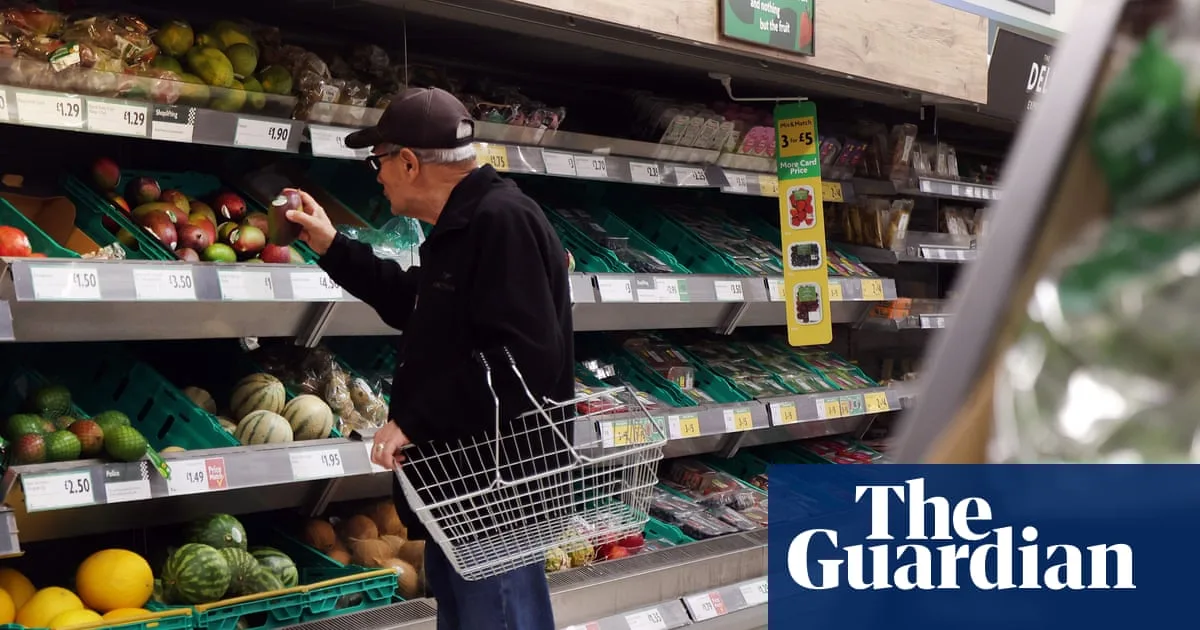
Supermarket bosses have warned Chancellor Rachel Reeves that raising taxes on the sector in the upcoming budget could lead to higher food prices for households. In a joint letter, executives from Tesco, Asda, Sainsbury’s, Morrisons, Aldi, Lidl, Marks & Spencer, Waitrose, and Iceland said that if the industry faces higher taxes, such as a new surtax on business rates, their ability to deliver value for customers would become more challenging, and households would inevitably feel the impact.
The letter, sent ahead of the 26 November budget, highlights that the sector is already grappling with increased costs from the previous budget, including a £25bn rise in employer national insurance contributions and a 6.7% increase in the national living wage. The bosses warned that high food inflation is likely to persist into 2026, and they do not want to see it prolonged by any new measures.
The British Retail Consortium (BRC) expressed concern that large shops could face significantly higher business rate bills if included in the government's new additional tax for properties with a rateable value above £500,000. BRC chief executive Helen Dickinson urged the chancellor to exempt supermarkets from the surtax, arguing that this would help keep food inflation under control without costing taxpayers, as other sectors like large office blocks and industrial plants would pay slightly more.
Official data shows UK inflation remained at 3.8% last month, with annual food price inflation easing from 5.1% in August to 4.5% in September. However, the cumulative effect means grocery bills are still much higher than a few years ago. A Treasury spokesperson said tackling food inflation is a priority, pointing to measures such as increasing the national living wage and lowering business rates for smaller shops. The government also noted that even if a property's rateable value increases, its bill could still decrease under the current system.