Zaytoun, a Palestinian food brand, has reported a 50 per cent increase in UK sales to £3.2 million in 2024, driven by shoppers seeking to show solidarity with Palestinians in Gaza and the West Bank. The social enterprise, whose name means olive or olive tree in Arabic, was set up to support Palestinian communities through fair trade.
Zaytoun’s managing director, Manal Ramadan White, said buying the territory’s extra virgin olive oil and medjool dates offered consumers a tangible way to help. “They could hold it in their hand and say, I have done this, even if it’s a small act,” she said, adding that the steep sales increase showed “people wanting to make a difference with their purchasing power”.
However, shoppers looking for the Fairtrade logo will not find it on Zaytoun’s olive oil. The security situation means no one is able to complete the checks required for certification. “We haven’t been able to get Fairtrade organic certified olive oil out of Palestine for almost a year now,” Ramadan White said. “The certifier pulled out at very short notice and without a handover.”
In a statement published on Thursday, the Fairtrade Foundation and wider fair trade movement vowed to “raise our voices in solidarity with the people of Gaza and the West Bank whose futures are being deliberately dismantled”. Eleanor Harrison, the Fairtrade Foundation’s chief executive, said the movement stands for “fairness, solidarity, and the empowerment of people to decide on their own futures”.
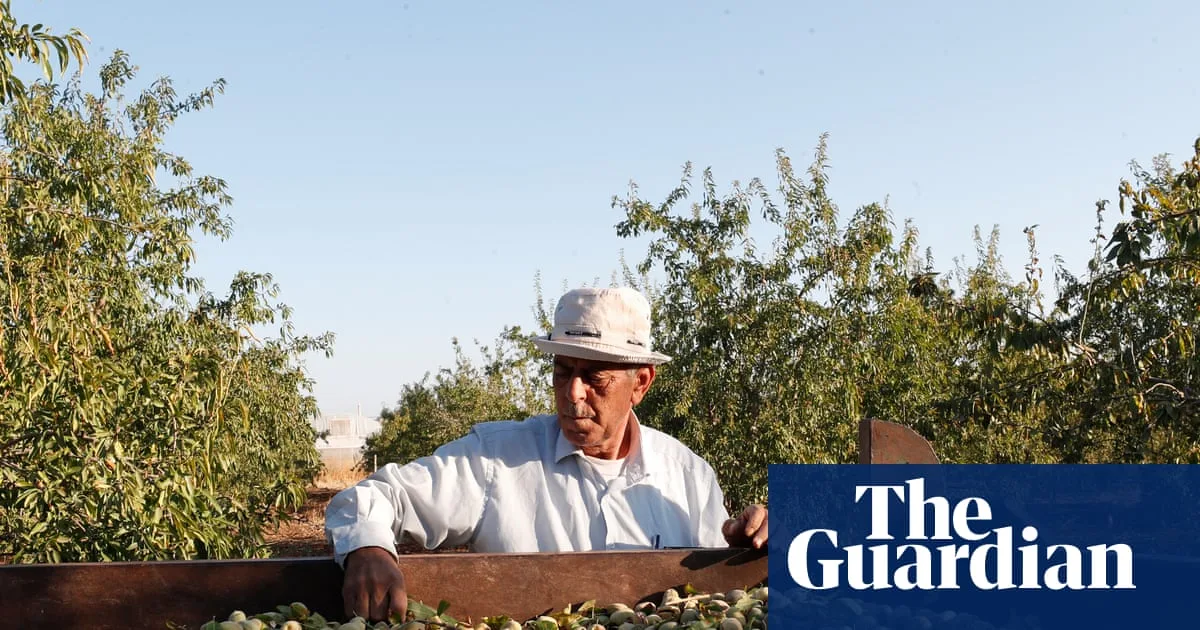
Despite the challenges, Zaytoun continues to buy olive oil from small-scale farmers in the West Bank. The olive tree is deeply symbolic to Palestinians. “The hardiness of the olive tree, what it can withstand, is very much symbolic to Palestinians,” Ramadan White said. “It’s a metaphor for their resilience.” Shipping from the Israeli port of Haifa remains difficult, with vehicles forced to detour through checkpoints and pallets stacked low for sniffer dogs.
Ramadan White noted that when Zaytoun started as a volunteer-led initiative in 2004, the situation seemed “impossible” yet has worsened. Nonetheless, demand has matched the escalation. “From 2023 to 2024 we grew by about 50 per cent due to the UK market wanting to show support,” she said. Despite high price points and slim margins, the business has proven viable thanks to consumer response.