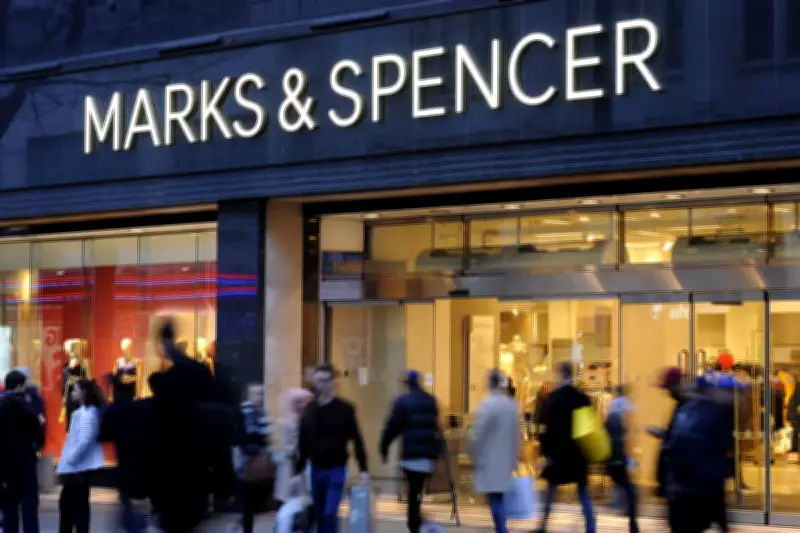
Retail giant Marks & Spencer has announced a significant pay increase for its 55,000 store employees while simultaneously withdrawing its commitment to align wages with the real living wage. This move has drawn sharp criticism from shareholder activist groups who argue it undermines workers' financial security.
Pay Increase Details and New Wage Rates
Effective from 1 April, Marks & Spencer will implement a minimum 6.4% pay increase for its retail staff across the United Kingdom. This adjustment establishes new hourly rates of £13.41 nationwide and £14.74 for employees based in London. The company has emphasized that this investment represents more than £70 million in additional payroll costs and exceeds current inflation rates.
Comparison with National Minimum Wage
These revised pay scales position M&S above the forthcoming national minimum wage, which is scheduled to increase to £12.71 per hour for workers aged 21 and over from the same April date. However, the retailer's new compensation structure deliberately diverges from the voluntary real living wage benchmark, which is independently calculated to reflect actual living costs across different regions.

Real Living Wage Discrepancy
The real living wage, currently set at £13.45 per hour across the UK and £14.80 in London, serves as a crucial indicator of what workers require to cover basic expenses, save for the future, and enjoy reasonable leisure time. By stepping back from this commitment, M&S has broken with a pledge made just last year when the company explicitly stated it had increased pay to align with real living wage standards.
Shareholder Activist Response
ShareAction, a prominent shareholder activist organization, has publicly called upon Marks & Spencer to reinstate its alignment with the real living wage. Louise Eldridge, head of good work at ShareAction, expressed deep concern about this development, particularly given the current economic climate where many individuals struggle to afford basic necessities.
Eldridge stated: "With more people struggling to cover basics, it's worrying to see another major supermarket step back from the only independent benchmark on what people need to take home to meet the cost of living, save for the future, and enjoy their free time. This is vital for workers' livelihoods and it's good for business, with all kinds of proven benefits including reducing turnover and attracting higher quality talent."
Company Defense and Historical Context
Marks & Spencer has defended its position by highlighting substantial investments in employee compensation over recent years. The company revealed it has allocated more than £350 million toward staff pay increases during the past four years, representing a cumulative rise exceeding 34% for many workers.
Stuart Machin, chief executive of M&S, commented: "This is a good cost and I am pleased that we have been able to make this inflation-beating pay award, alongside our leading package of benefits. This investment reflects the central role our people play as we reshape M&S for growth."
Broader Industry Implications
ShareAction has extended its appeal beyond Marks & Spencer, urging the entire retail sector to reconsider wage policies and restore full alignment with real living wage standards both in London and across the United Kingdom. This development occurs against a backdrop of increasing scrutiny on corporate social responsibility and fair compensation practices within the competitive retail landscape.
The decision by such a prominent high street retailer to distance itself from voluntary living wage commitments may influence wage-setting practices throughout the industry, potentially affecting thousands of workers beyond M&S's own workforce.