Retail Group Demands Overhaul of Michigan's Bottle Deposit System
The Midwest Independent Retailers Association is intensifying efforts to abolish Michigan's bottle deposit scheme, arguing that the outdated program is driving up grocery prices and failing to meet modern recycling needs. The association is urging Governor Gretchen Whitmer to champion its repeal in her upcoming State of the State address, advocating for a shift towards curbside recycling instead.
Constitutional Hurdles and Legislative Challenges
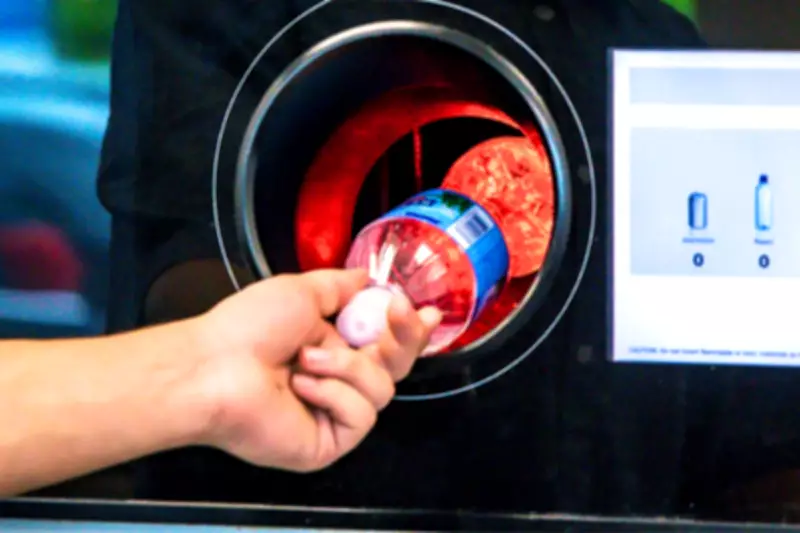
Bill Wild, CEO of the association, emphasised the difficulty of changing the system, which is embedded in the state's constitution. "This conversation is going to require a governor to get behind it, and then because it was part of the state constitution, it's going to require two-thirds of the legislature to put a new initiative on the ballot," Wild told Fox 2 Detroit. The Bottle Bill, enacted in 1976 to combat litter, offers consumers a 10-cent refund for each returned bottle or can, but has not been updated for decades.
Declining Success and Infrastructure Gaps
Once achieving return rates as high as 95 percent, the program's effectiveness has waned, with rates dropping to 70.4 percent by 2024, according to a University of Michigan report. Unlike other states, Michigan lacks redemption centres, placing the burden on retailers to handle returns. Kerrin O'Brien, executive director of the Michigan Recycling Coalition, warned that repealing the Bottle Bill would force reliance on curbside and drop-off programs, for which the state lacks adequate infrastructure.

Financial Incentives and Environmental Spending
Under the current framework, unclaimed deposits revert to the state, with funds allocated after a $1 million enforcement reserve. Seventy-five percent goes to the Cleanup & Redevelopment Trust Fund, and 25 percent to retailers, creating little incentive for them to promote returns. Meanwhile, the Environment, Great Lakes and Energy agency's spending has surged from $26 million in 2014 to over $114 million in 2024, with minimal focus on recycling initiatives.
Cultural Legacy and Enforcement Efforts
The Bottle Bill gained cultural notoriety through a 1996 Seinfeld episode, where characters attempted to exploit the system. Michigan earmarks $1 million annually for enforcement to prevent such scams. As Governor Whitmer prepares her address, the debate highlights the tension between tradition and innovation in environmental policy.