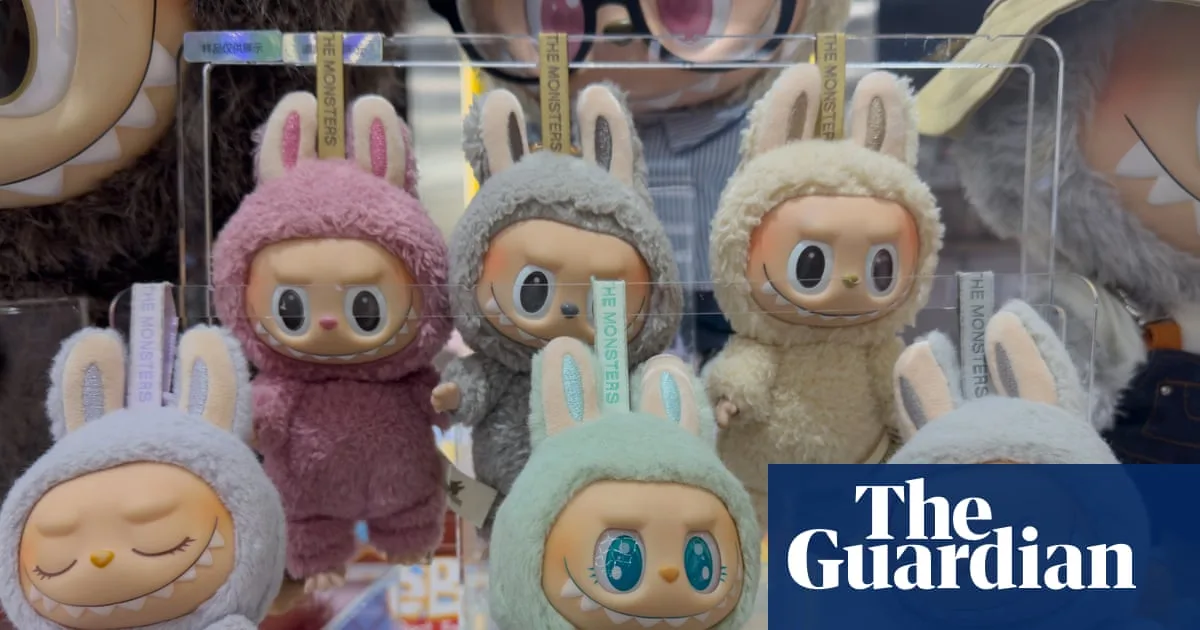
Labour rights investigators have found evidence of worker exploitation at a Chinese factory producing Labubu toys, the furry collectibles that became a global phenomenon last year. China Labor Watch (CLW), a New York-based NGO, said workers at a supplier in Jiangxi province were subjected to contract irregularities, excessive overtime and a lack of protections for young employees.
The factory, Shunjia Toys in Xinfeng county, employs more than 4,500 people and produces Labubus exclusively. Over a three-month period in 2025, CLW researchers interviewed more than 50 workers, including three aged under 18. They found that 16- and 17-year-olds were assigned to standard assembly line positions without the special protections required by Chinese law for young workers, such as prohibitions on dangerous tasks.
Workers also said they were forced to sign blank labour contracts, with personal details filled in but terms like job content, salary and social insurance left blank. According to CLW, they were given no more than five minutes to complete the process and were told not to read or fill in other sections. Many young workers did not understand the nature of the contracts they signed.

The investigation reported unrealistic production targets, with teams of 25-30 workers required to assemble at least 4,000 Labubus a day. CLW said workers often logged more than 100 hours of overtime per month, far exceeding the legal limit of 36 hours. Shunjia Toys has an official capacity of 12 million toys a year, but CLW estimates two teams alone produce more than 24 million units annually, reflecting the pressure of soaring demand for Labubus.
Pop Mart, the Hong Kong-listed company behind Labubus, said it takes worker welfare seriously and conducts regular audits of its supply chain partners. A spokesperson said the company was investigating the matter and would require corrective action if the findings were substantiated.