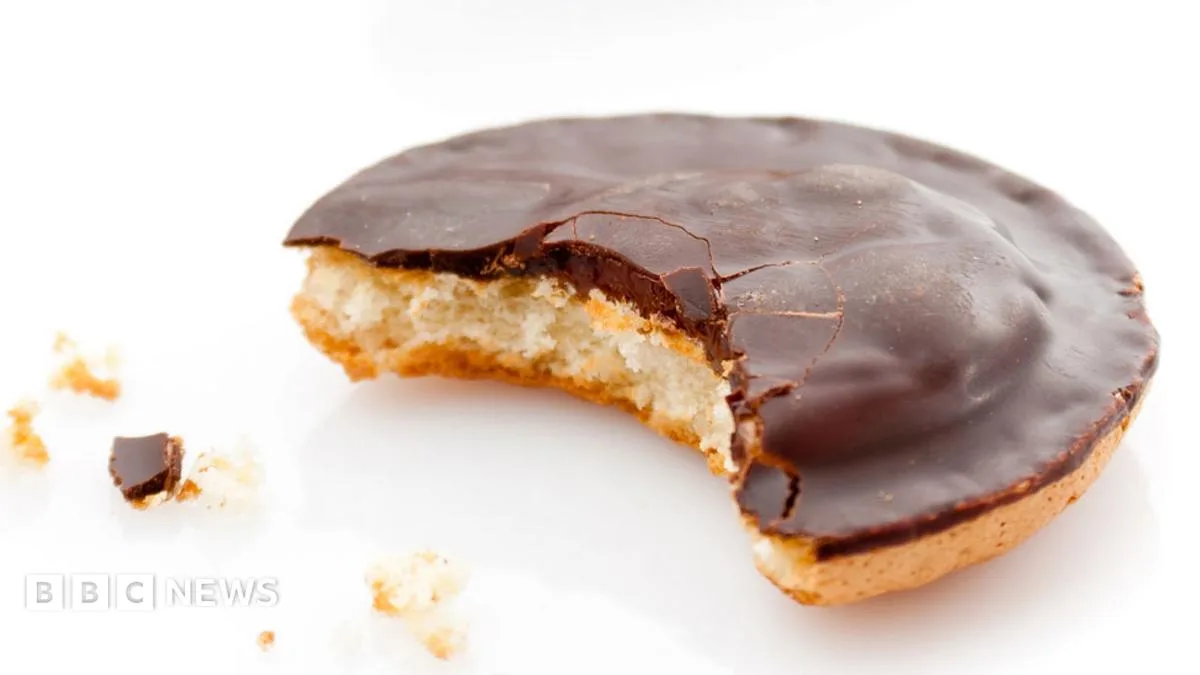
The question of whether a Jaffa Cake is a cake or a biscuit has long puzzled Britons and now captivates Americans. This debate first emerged in 1991 when tax authorities sought to reclassify the treat as a biscuit to levy a tax on chocolate-covered biscuits. McVities, the manufacturer, argued it was a cake, leading to a legal case before adjudicator Mr D C Potter.
Mr Potter examined a dozen criteria, noting that Jaffa Cakes are named 'cakes' and contain sponge cake ingredients like eggs, flour, and sugar. They also harden when stale, unlike biscuits which soften. However, they are packaged and marketed like biscuits, often found in the biscuit aisle, and are biscuit-sized. On balance, Mr Potter ruled that a Jaffa Cake is a cake.
Philosopher Tim Crane of Cambridge University argues that the debate touches on profound philosophical questions about how concepts relate to reality. He notes that there is no strict definition of 'cake' or 'biscuit' that compels a definitive classification. Ludwig Wittgenstein's concept of 'family resemblance' suggests that categories can have overlapping similarities without a single defining feature.
The distinction between conventional and empirical statements is also relevant. American philosopher Willard Van Orman Quine questioned whether such a rigid distinction can be maintained, a view supported by Crane. Ultimately, the Jaffa Cake remains a cake in the eyes of the law, but the philosophical debate continues.