End of an Era for Florida's Family-Run Grocer
An iconic Florida grocery chain, Hitchcock’s Market, has ceased trading after an impressive 80-year run, with a descendant of its founders expressing a sense of relief at its conclusion. The North Florida institution, which at its peak employed more than 800 people and generated approximately $150 million in annual revenue, closed its doors for good at the end of October.
The family-run business sold its final ten stores, which were scattered across small towns in North Central Florida, to larger competitors such as Winn-Dixie and Bravo. Alan Hitchcock, the son of a co-founder who had sold the chain back in 2008, told Mainstreet Daily News, 'It's sad to see the name disappear.' He added, 'It's also a relief as the philosophy and the management styles have been different.'
A Legacy Fades and Communities Feel the Loss
In its heyday, Hitchcock’s was renowned for its high-quality meat counter and a strong commitment to local sourcing. However, in recent years, customers reported a significant decline in standards. One disgruntled shopper went so far as to complain on Reddit, calling it the 'nastiest grocery store I've ever had to endure.'
For many of the small towns it served, Hitchcock's represented the last local grocer, and its closure is a painful blow. Several of the remaining stores were the community's sole provider of fresh food, leaving a significant gap for residents. Employees and shoppers have voiced concerns that the closure could spell serious trouble for these rural areas.
Employee Uncertainty and Wider Industry Struggles
Employees now find themselves in a state of limbo as the new owners begin renovations. 'They said that we might keep our jobs, but we might not,' explained Dylan Saley, an employee at the Keystone Heights location, to local ABC affiliate WCJB. 'We might have to reapply, but I'm just going to keep looking around and see if there's anything else.'
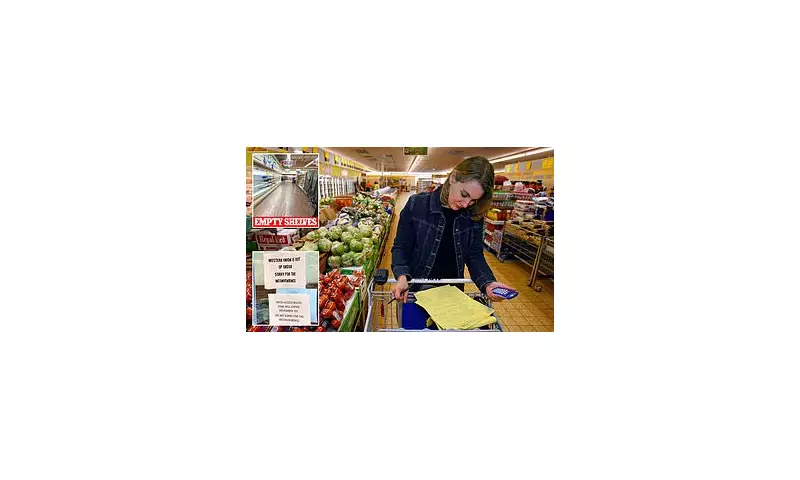
Managers revealed to the Mainstreet Daily News that vendors had already started pulling back before the official closure, a situation that worsened after the company's former owner passed away last year. Some suppliers halted deliveries completely following missed payments. When liquidation sales began with steep 30 percent markdowns, popular name-brand products like Coca-Cola sold out rapidly and were never restocked, leaving shelves increasingly bare.
A former manager indicated that executives were not fully transparent about the plans to sell the brand, noting that in small grocery chains, 'information travels fast.' This led many to start making their own plans. The challenges faced by Hitchcock's are not unique. Small grocery stores across America are confronting similar issues, including persistent food inflation, competition from online retailers, and ongoing supply chain disruptions that empty shelves.
This trend has hit rural stores particularly hard, with an estimated 2,700 driven into closure this year alone. Even major industry players are feeling the pressure. Kroger's announced plans in August to shutter 60 underperforming stores and lay off 1,000 employees. Albertson-owned Safeway is also closing multiple rural locations, and Amazon confirmed to the Daily Mail that it has had to shut down some of its grocery stores, highlighting the pervasive challenges within the sector.